Assembling Your Professional Toolkit
Gathering the right supplies is the first and most crucial step for a safe and effective wax. While it may be tempting to use a conventional drugstore kit, investing in professional-grade tools makes a significant difference in both comfort and results. You wouldn’t use craft scissors for a precision haircut, and the same principle applies here.
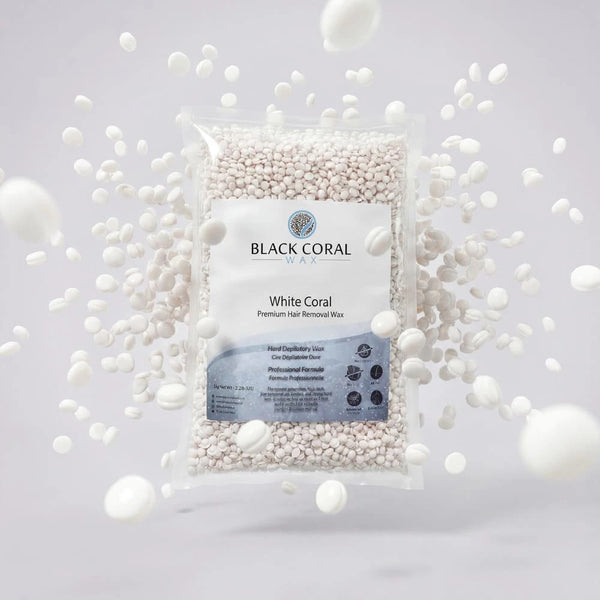
Your most important investment is a high-quality hard wax. Unlike soft wax (strip wax), which adheres to both hair and skin, a professional hard wax from Black Coral Wax is formulated to "shrink-wrap" and adhere only to the hair. This is a game-changer for the delicate bikini area, as it significantly reduces discomfort and post-wax irritation.
At-home waxing has grown in popularity, with the global hair removal wax market projected to reach USD 4.27 billion by 2025. This demand has made professional-grade products, like Black Coral Wax's beads-trusted by over 10,000 estheticians-more accessible. With low melting points around 48-60°C (120-140°F), they are safer for home use and dramatically reduce the risk of burns.
Beyond the wax itself, a few other essentials are necessary for a professional workflow.
Your Essential Bikini Waxing Toolkit
These items are non-negotiable for a successful and hygienic at-home bikini wax. Each plays a specific role in achieving a professional-level finish.
|
Item
|
Purpose & Key Feature
|
|
A Reliable Wax Warmer
|
Essential for melting wax to the perfect "thick honey" consistency and maintaining that temperature. This prevents burns and ensures optimal performance.
|
|
Professional-Grade Hard Wax
|
The cornerstone of your kit. We recommend Black Coral Wax because it is formulated to grip hair, not skin, for a less painful experience.
|
|
Applicator Sticks (Spatulas)
|
Used for clean, precise wax application. To maintain hygiene, never double-dip a used applicator into the wax pot.
|
|
Pre-Wax Cleanser
|
This step is critical. It removes oils and lotions from the skin, allowing the wax to achieve a proper grip on the hair.
|
|
Post-Wax Oil
|
Provides immediate relief by soothing the skin and helps gently remove any small wax residues.
|
With these things, you're getting ready for a better waxing experience. You can find even more information in our guide on how to choose the best hair removal kit.
This guide will help you become an expert at waxing, but there are times when you might want to hire a professional. Going to a professional waxing studio is a great way to pamper yourself. But with practice and the right tools, you'll be able to get perfect results on your own.
Why Professional Hard Wax Is Your Best Choice
The single most important decision you'll make when learning how to do a bikini wax on yourself is selecting the right wax. While drugstore shelves are filled with soft wax kits and pre-made strips, professionals almost exclusively choose hard wax for the bikini area-and for good reason. It is the key to a safer, more comfortable, and more effective experience at home.
Unlike soft wax, which requires cloth strips and adheres to both hair and skin, hard wax functions differently. As it cools, it shrink-wraps around each hair, hardening into a flexible strip that you remove on its own.
When you remove the wax, it lifts hair from the root without pulling on the delicate surrounding skin. This is precisely why it is the go-to choice for sensitive areas, resulting in significantly less pain, redness, and irritation.
The Science of a Superior Wax
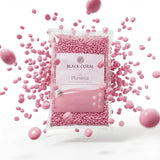
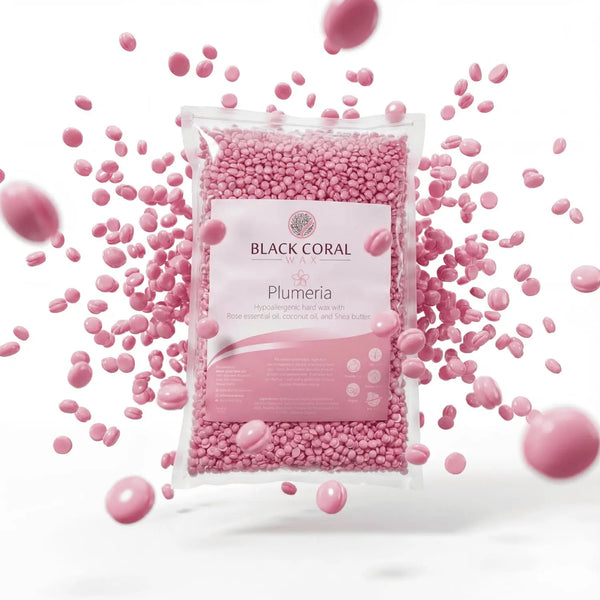
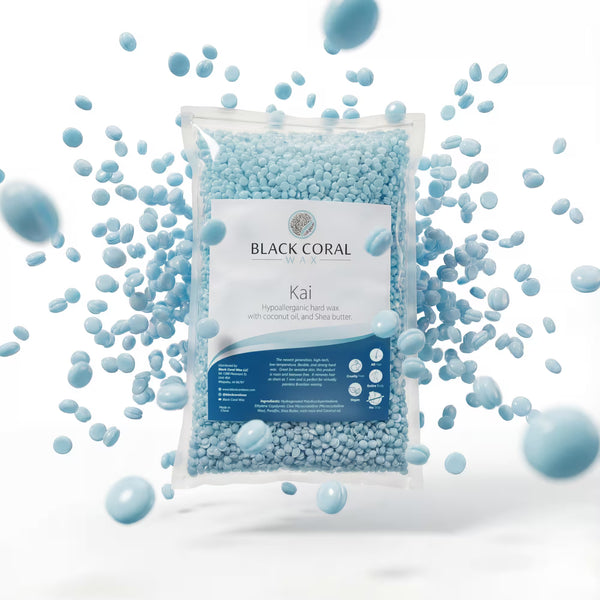
Professional-grade hard wax, like our Kai or Plumeria blends, is formulated for performance. These are not generic beads; they are designed with specific features that guarantee a cleaner, more efficient pull.
This is what makes a professional wax different:
-
Low Melting Point: High-quality waxes melt at lower temperatures, which makes burns much less likely. The application doesn't feel too hot; it feels comfortably warm.
-
Flexible Texture: The wax stays soft as it hardens, so it won't break or become brittle when you take it off. This makes it fit perfectly along the bikini line.
-
Strong Grip: It is made to grab even coarse and short hairs, so you can pull them out cleanly from the root instead of breaking them at the surface.
This is what makes a professional product different from a regular store-bought one. You can be sure that your wax will work every time, which is exactly what you need when waxing a sensitive area. Our guide on how to use hard wax properly breaks it down step by step so you can see how to do it right.
Why Good Ingredients Are Important
The cosmetic wax industry has grown quickly as more people wax at home. By 2025, it is expected to be worth $16.9 billion. France and the UK together have a 47% market share for natural waxes in Europe, where the quality of the ingredients is very important. This shows how important it is to choose products made for sensitive areas, especially since up to 25% of users say waxing makes them feel irritated.
This is why Black Coral Wax was made. Our Hawaiian-formulated blends, such as Kai and White Coral, melt at a low temperature and have a strong grip. Users said they reduced redness by up to 50% compared to regular waxes.
It's not a luxury to use professional hard wax; it's about safety and getting good results. Think of it as an investment in a process that will be easier and skin that is healthier and smoother.
In the end, picking a professional hard wax makes the whole DIY bikini wax experience better. It changes your mind from "Will this hurt?" to "How smooth will my skin be?" When you choose a product made for the sensitive bikini line, you're not just buying wax; you're also buying a better, safer, and more confident result.
Your Guide to a Flawless At-Home Wax
Now that you have the right products, it’s time to master the professional workflow. This is not about guesswork; we will walk through the exact process an esthetician uses, broken down into simple, actionable steps.
A great wax is all in the details. From wax temperature to the angle of removal, every small action matters. Let’s begin.
The Foundational Prep Work
Every professional wax begins with skin preparation. This is not an optional step; it ensures the wax adheres only to the hair, not your skin, which is the secret to a less painful experience.
First, use a pre-wax cleanser on the entire area to remove any oils, sweat, or lotion that could interfere with the wax’s grip. Pat the skin completely dry with a clean towel.
Next, apply a light dusting of pre-wax powder or cornstarch. This absorbs any residual moisture and provides the perfect surface for the wax to shrink-wrap around each hair.
Mastering Wax Consistency and Temperature
The texture of your hard wax is paramount. Too hot, and it can burn you. Too cool, and it will be a thick, unworkable mess that fails to grip the hair. You are aiming for a consistency like thick, warm honey or molasses.
Melt your Black Coral Wax beads according to your warmer’s instructions until fully liquid. Then, turn down the heat and allow the wax to thicken slightly. Dip your applicator in-if the wax drizzles off slowly instead of running, it is ready.
Always check the temperature on the inside of your wrist before putting it on your bikini area. This is a safety check that professionals always do and never skip. This quick test keeps your skin safe and stops burns.
The Art of Using
This is where technique really counts. To keep control, work in small, manageable chunks. A good rule of thumb is that a section should be 2 to 3 cm wide and 5 to 7 cm long.
This is how to use it like a pro:
-
Dip and Twirl: To keep the wax from dripping all over the place as you move from the pot to your skin, dip the applicator into the wax and twirl it.
-
Put on with pressure: Spread the wax in the way that your hair grows. Make sure it coats the hair all the way to the root by putting even, firm pressure on it.
-
Make a "Lip": Make the edge a little thicker at the end of the strip. This feature makes it easy to remove the tab later without having to search for it.
This methodical approach prevents the wax from becoming brittle and ensures every pull is effective. The technique is similar for larger areas; for more information, you can check out our guide on how to wax your legs.
The Perfect Pull for a Clean Finish
Now for the removal. A proper removal technique is the difference between a painful moment and a surprisingly smooth one. Let the wax strip set for about 30-60 seconds. It should feel firm to the touch but still flexible, not tacky.
With your free hand, pull the skin taut just below the strip. This is the single most important trick for minimizing pain, as it anchors the skin and prevents it from lifting with the wax.
Grip the "lip" you created and pull the strip off in one fast, fluid motion. Be sure to pull parallel to the skin, not up and away from it. Think of removing a bandage-quick and close to the surface. Immediately after the strip is off, press your palm firmly onto the bare skin for a few seconds. This simple action helps calm the nerve endings for instant relief.
You are giving a professional treatment that will get you the best and smoothest results possible by following these exact steps.
How to Avoid Common Mistakes and Make Pain Less Bad
Most people who are thinking about doing their own bikini wax are worried about the pain. But getting a comfortable, low-pain experience isn't just luck; it's about how you do it. This part gives professional advice on how to feel better and fix common mistakes.
If you learn these skills, you'll be able to wax with confidence, knowing that you can handle any problems that come up.
Proven Ways to Make Waxing More Comfortable
Before you take off the wax strip, you should start to feel less pain. Making small changes to how you do things can make a big difference, changing a scary moment into one that is easier to handle. The most important thing is to work smart, not fast.
Here are some professional tips to add to your daily life:
-
Work in Small Parts: Don't try to wax big areas all at once. Stay in small, controlled areas that are about 2 cm by 7 cm. This gives you more control and makes the removal a lot less scary.
-
Breathe Through the Pull: This will change everything. Take a deep breath before you pull the strip off. Exhale sharply as you pull. This easy breathing exercise helps your body relax and takes your mind off the feeling.
-
Put Pressure on Right Away: As soon as you take off the wax strip, press the palm of your clean hand firmly against the area for a few seconds. This old trick from estheticians helps calm nerve endings and makes any stinging feeling go away.
Troubleshooting Common Waxing Mishaps
Even with careful preparation, minor issues can occur. Knowing how to resolve them is what separates a DIY mishap from a successful home wax. Instead of panicking, you can simply adjust your technique and continue.
Understanding why a mistake happened is the first step to fixing it. Most issues stem from either incorrect wax temperature or application technique.
Recent data shows 75% of at-home waxers can achieve professional-level smoothness lasting up to 28 days. The secret is technique-proper skin prep, applying wax in small sections, and pulling parallel to the skin minimizes skin trauma. Industry innovators are developing chamomile-infused waxes, similar to Black Coral Wax's gentle formulas, with users reporting up to 35% less discomfort.
Common Waxing Mistakes and Professional Solutions
This troubleshooting table is your cheat sheet for identifying and fixing the most common issues you might encounter during your wax.
|
Common Mistake
|
Why It Happens
|
The Professional Fix
|
|
Wax Is Brittle and Cracks
|
The wax was applied too thinly or left on the skin too long, causing it to over-harden.
|
Apply a fresh, thin layer of warm wax directly over the cracked strip. Let it set briefly, then remove the entire section in one motion.
|
|
Wax Isn't Gripping Hair
|
This is usually due to improper skin prep. Oils, lotions, or moisture on the skin prevent the wax from adhering properly.
|
Stop and re-prep the area. Use a pre-wax cleanser, pat the skin completely dry, and apply a light dusting of powder before trying again.
|
|
Hair Is Breaking, Not Pulling
|
The strip was pulled upward instead of parallel to the skin, or it was pulled too slowly. This snaps the hair at the surface.
|
Hold your skin as taut as possible with your free hand. When you pull, do so quickly and keep your hand extremely close and parallel to your body.
|
|
Wax Is Too Stringy or Runny
|
Your wax is too hot. Overheated wax won't set properly and will be difficult to control.
|
Turn down the heat on your warmer and allow the wax to cool. Stir periodically until it reaches a thick, honey-like consistency before continuing.
|
A very important skill for waxing at home is being able to spot and fix these problems. Check out our in-depth guide on the top 10 common waxing mistakes and how to avoid them for more information. The more you know, the more sure you'll be that you can do your own bikini wax like a pro.
Your Plan for Taking Care of Your Skin After Waxing and Stopping Ingrown Hairs
The process isn't over when you take off the last wax strip. Taking care of your skin after waxing is just as important for getting smooth skin that lasts. Taking care of your skin after a treatment is the best way to avoid redness, irritation, and ingrown hairs. The plan is easy: take care of things right away and keep them up over time.
The Golden Rules for the First 48 Hours
After waxing, your skin is sensitive and the hair follicles are open, which makes the area more likely to get bacteria and irritation. For the next 48 hours, you should keep the area cool, clean, and free of friction.
To give your skin time to heal, you must follow these rules:
-
Don't get too hot or sweaty. Stay away from hot baths, saunas, steam rooms, and hard workouts. Bacteria can get stuck in open pores when you sweat and heat up, which can cause bumps and swelling.
-
Wear clothes that are loose and let air flow through them: Don't wear clothes that are too tight or made of synthetic materials. Choose cotton clothes that fit loosely so your skin can breathe and they don't rub against it.
-
Don't touch your newly smooth skin. Your hands can spread oils and bacteria, which makes breakouts more likely.
To keep the finish smooth, you need to take care of it after waxing. Your skin is clean after waxing, so keep it safe from anything that could irritate it or block hair follicles as they start to grow again.
Moving to Long-Term Prevention
After the first 48 hours of recovery, make sure to stick to a regular routine to keep ingrown hairs from happening. When a hair grows back into the skin, it can cause these painful bumps. This is often because dead skin cells are blocking its path. Exfoliating and moisturizing in two steps is the best way to go.
Exfoliation that is gentle and moisturizing every day
You can start to gently exfoliate the area about two to three days after your wax. This helps get rid of dead skin cells that can block pores and keep new hairs from growing. Use a soft washcloth, a gentle scrub, or a chemical exfoliant that has salicylic or glycolic acid in it two to three times a week. Don't scrub too hard, though, because that will only make things worse.
You have to moisturize every day. If you keep your skin soft and hydrated, new hairs will have an easier time breaking through the surface. Use a lotion that is light and won't clog your pores.
A high-quality post-wax oil is a game-changer for an extra layer of soothing protection. Black Coral Wax's ili Oil is made to calm the skin and can also help get rid of any stubborn wax residue. Knowing how to take care of your skin after waxing is very important if you tend to get breakouts.
This easy aftercare plan is the last step in learning how to do a bikini wax like a pro. You can also read "How to Prevent Ingrown Hairs After Waxing Your Complete Smooth-Skin Ritual" for a more in-depth plan.
Answers to Your Most Common DIY Bikini Waxing Questions
It's normal to have questions, even with a full guide. Let's answer some of the most common questions people have about waxing their bikini lines at home. Clarifying these points will make you feel more sure and ready.
How long does my hair need to be for a bikini wax?
Your hair should be about 6 mm long, which is about the length of a grain of rice, for the best results. If the hair is too short, the wax won't be able to grip it properly, which will make it patchy.
On the other hand, if your hair is longer than 12 mm, the removal may feel stronger. Before you start, make sure the hair is the right length by carefully trimming it. A small pair of scissors or a guard for a clipper works well for this.
Is it okay for me to give myself a full Brazilian wax?
It's possible to do a full Brazilian wax on your first try, but it's not a good idea. Brazilian waxing requires a lot of flexibility and experience because it involves very sensitive skin and hard-to-reach angles.
It's a lot smarter to start with your bikini line and get better at it there. You can slowly move on to a longer bikini style once you are completely sure of yourself. It is always safest to go to a licensed esthetician who knows how to do Brazilian waxing professionally for the first time.
Tip from an expert: It takes professionals years to learn how to wax different parts of the body. It is very hard to get that level of accuracy at home, especially in such a private area. Always put safety first and start with the basics.
What if I get wax on my skin?
When you use a good hard wax like Black Coral Wax, this doesn't happen very often because it's made to stick to hair, not skin. Don't panic or try to pick at it if a small piece is left behind.
Put a little bit of post-wax oil on the edges of the wax residue. The oil will break the wax's bond with the skin, making it easier to peel off. Don't use water, because it will only make the wax harder. You can put a new, thin layer of warm wax over the stuck piece for a bigger patch. Let it set, then take it all off in one motion.
How often should I wax my bikini area?
Most people think that waxing every three to four weeks is best. This schedule fits with the natural cycle of hair growth, which lets hair grow to the perfect 6 mm length for easy and effective removal.
One of the best things about sticking to a regular waxing schedule is that hair tends to grow back thinner and less often over time. This makes each wax after that faster, easier, and more comfortable.
Are you ready to get that salon-smooth look at home? Experts trust Black Coral Wax for professional-grade hard wax beads, warmers, and aftercare products.
Look through our whole collection to find the right wax for your skin.