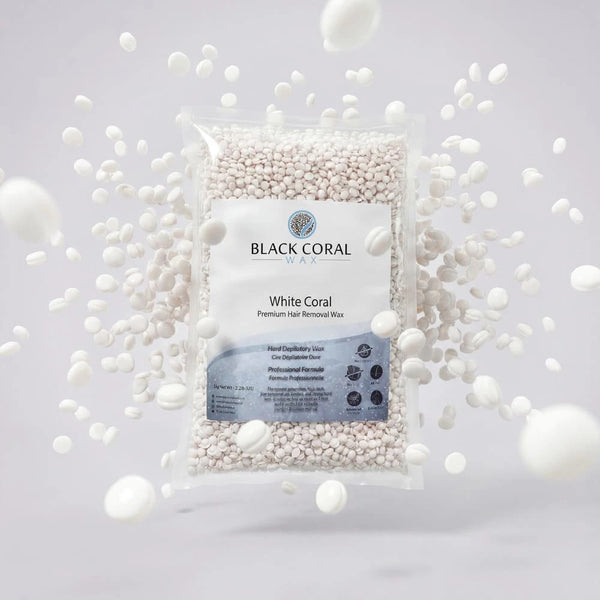
Why professionals choose hard wax for sensitive skin
If you have sensitive or reactive skin, the thought of waxing can be scary. As an esthetician, your goal is always to get perfectly smooth results without causing an outbreak. Modern hard wax beads are the best way to make sure that sensitive clients are comfortable, safe, and happy with their treatment.
The key is how it is used. Hard wax is a type of wax that doesn't need a cloth strip to be taken off. The warm wax is spread over the skin, and as it cools and hardens, it turns into its own strip. It wraps around each hair and holds it tightly at the root to make sure it comes out cleanly and quickly.
A kinder way to get rid of hair
The secret to its gentle performance is the way it shrinks. The wax only grabs certain hairs, so it doesn't pull or tug on the skin. It doesn't stick to the skin, which greatly lowers the risk of skin lifting, bruising, or having sensitivity after waxing. This makes it the best choice for sensitive areas like the face, underarms, and bikini line.
This method helps clients who are sensitive in a number of important ways:
-
Less Skin Damage: It only sticks to the hair, which means less painful pulling that makes most waxing painful and irritating.
-
Lower Application Temperature: Professional-grade hard waxes melt at a lower temperature, so the application feels warm and comfortable instead of too hot. This keeps the skin from getting too hot, which can make it more sensitive.
-
No Sticky Residue: Hard wax doesn't leave behind a sticky residue like soft wax does. This means you don't need to use harsh, oil-based removers that can block pores and cause breakouts.
How to Build Trust and Confidence with Clients
In the end, choosing hard wax shows that you care about getting a modern, skin-friendly service. It gives professionals peace of mind because they know they are using a product that is safe for the skin. Read our in-depth guide to find out more about how different types of wax work and the differences between soft wax and hard wax. It's not just about getting smoother results; it's also about gaining clients' trust by showing them that their skin is in good hands.
How Hard Wax Technology Keeps Sensitive Skin Safe
What is the science behind using hard wax beads on sensitive skin? The answer is in how smartly it was made and how it interacts with hair and skin in a way that is different from other products. This isn't just a different kind of wax; it's a whole new way of thinking about hair removal that is meant to be as safe and comfortable as possible.
Three main things make hard wax work: it has a low melting point, it only grips hair, and it can be pulled in different directions. Each part works together to provide a service without any irritation and a perfect finish, making it the best choice for sensitive waxing.
The soft warmth of a low melting point
The first time you touch the wax sets the tone for the whole service. When you use traditional waxes, you usually have to heat them up to high temperatures to make them work. This can cause your skin to feel strange and make it red and stressed right away.
The modern hard wax is made to melt at a much lower temperature that is safe for skin. It changes into a warm, honey-like texture that feels good when you put it on. This gentle warmth opens up pores and relaxes hair follicles, making it easier to remove hair without the risk of burns or inflammation caused by heat.
This lower temperature is an important safety feature. It helps keep the skin's natural barrier intact, which stops the inflammation that makes the skin red and sore for a long time.
The "Shrink-Wrap" Effect: A Better Hold on Hair
The best thing about hard wax is that it sticks to some things but not others. Soft wax sticks to both hair and skin, like tape. Hard wax, on the other hand, is much more precise.
As the wax cools, it "shrink-wraps" around each hair shaft, holding it tightly from the root to the tip. Most importantly, it doesn't stick to the skin underneath. This is the main reason it hurts and bothers you much less. The pull pulls hair out of the follicle without stretching or lifting the delicate top layer of skin.
This targeted action has made hard wax beads for sensitive skin a major player in the beauty industry. Over 45% of the market for salons and home kits is now made up of hard wax. In tests on sensitive areas like the face and Brazilian waxes, its hair-only grip has been shown to cut down on pain by 50-60%. You can read the full research on the hair removal wax market to find out more.
For a clean pull, be flexible and pliable.
Lastly, the texture of a good hard wax makes it easy to remove without leaving any residue. A professional formula stays flexible and stretchy after it dries, so it won't break or become brittle when you take it off.
Because of this, an esthetician can make a clean "lip" at the end of the strip that is easy to hold. The pull itself is quick, clean, and parallel to the skin, and it takes off all the hairs that are trapped in one motion. This flexibility is what keeps hair from breaking and makes sure that no stray hairs are left behind.
You don't need to re-wax the same area because the removal works so well. This one-pass method is important for sensitive skin because applying it more than once can cause irritation and over-exfoliation. The wax does its job right the first time, leaving the skin smooth and respected.
How to Read Ingredients for Soothing Skin Results
When dealing with sensitive skin, the formulation is very important. Not all hard wax beads for sensitive skin are the same. If you look closely at the ingredient list, you can tell if a product is meant to calm or irritate. The key to getting calm, clear results every time is to know what's in your wax pot.
With this knowledge, a regular hair removal service becomes a specialized, skin-friendly experience. Choosing formulas with ingredients that actively support skin health meets the expectations of today's informed clients and reflects the core principles of the Black Coral Wax brand.
Botanicals that calm the skin to look for
The best hard waxes for sensitive skin are made with natural ingredients that are known to calm the skin. During the service, these plants help calm redness and inflammation, so the skin feels balanced and comfortable afterward.
Think of these ingredients as built-in aftercare for the wax. They act as a soothing barrier that lessens the skin's natural reaction to waxing.
These strong ingredients are what you should look for:
-
Chamomile Extract: Chamomile is well-known for its ability to reduce inflammation and fight free radicals. It also helps reduce redness and irritation.
-
Nourishing Oils: Oils and other ingredients create a barrier that keeps the skin moist and flexible during the process.
Things that bother people a lot
It's just as important to know which ingredients to stay away from. Some additives are known to cause sensitivity, which can cause redness, bumps, or allergic reactions. These extra ingredients should not be in a wax that is really professional-grade for sensitive skin.
You lower the chance of bad reactions by choosing formulas that don't have any extra ingredients. A professional-grade wax has a clean, simple, and effective list of ingredients.
Always read the label and stay away from formulas that contain:
-
Synthetic Fragrances: Fake scents are one of the main things that make skin sensitive and cause allergic reactions. A professional wax should not smell like anything because it is made from natural ingredients.
-
Dyes that aren't needed: Brightly colored waxes may look nice, but the dyes can sometimes irritate sensitive skin.
-
Harsh Chemical Additives: A long, complicated list of artificial binders or preservatives that don't make the wax work better should be a warning sign.
The Growth of Hypoallergenic Products
A lot of new products have come out on the market because people want cleaner, safer waxing options. The market for hypoallergenic hard wax beads for sensitive skin was worth $420 million and is expected to be worth $910 million by 2033. 68% of consumers say they are allergic to regular synthetic waxes, which is in line with the "clean beauty" movement's demand for vegan, cruelty-free, and plant-based formulas.
This change has made it possible for more advanced formulas that put skin health first without sacrificing performance. To learn how modern waxes are made for people with sensitive skin, read our article about a new way to do gentle, hypoallergenic waxing.
Choosing a brand that uses high-quality, skin-friendly ingredients is good for your clients' comfort and your professional reputation.
A Step-by-Step Guide to the Professional Application Technique
When you work with sensitive skin, you can really see the artistry of waxing. A high-quality formula of hard wax beads for sensitive skin is important, but it's your technique that makes a good product into a service that is comfortable, effective, and perfect.
Let's go over the most important steps for a professional hard wax service, starting with getting the skin ready and ending with the clean pull. Not only does mastering this workflow lead to better results, but it also builds deep trust with clients. A client who feels safe and comfortable knows they are getting professional care that puts their skin's health first.
Step 1: Get your skin ready and clean it.
A clean canvas is a must, especially for skin that is sensitive. Cleaning your skin properly gets rid of oils, sweat, and other things that could make the wax less effective or cause breakouts after waxing.
Use a professional-grade, alcohol-free pre-wax cleanser to clean the area first so that you don't take away the skin's natural moisture. This first step makes sure that the wax will stick to the hair.
Next, put on some oil before waxing. This step is a game-changer for people with sensitive skin:
-
It makes a barrier that protects. The oil makes a very thin shield that keeps the hard wax from sticking to anything but the hair.
-
It makes things less painful. This barrier makes it much less likely that your skin will feel like it's being pulled when you take it off.
-
It makes hair easier to hold on to. The oil helps the wax wrap around each strand better by lightly conditioning the hair.
Use the oil sparingly and then use a tissue to soak up any extra. The skin shouldn't feel greasy, but it should have a slight shine.
Step 2: Getting the Wax to the Right Consistency
Your wax warmer should be melting the hard wax beads for sensitive skin to the right temperature while you get the skin ready. The goal is a consistency that is like thick, warm honey-soft and easy to handle.
If the wax is too hot, it will be thin and runny, which could burn you and make it hard to apply. It will be thick and stringy if it gets too cool, which will make it drag on the skin and not hold hair well. Before putting wax on a client, always check the temperature on the inside of your wrist.
For clients who are sensitive, the sensory experience is very important. The gentle, warm feeling helps them relax, which in turn relaxes the hair follicles and makes it easier to remove.
Step 3: Perfectly applying and taking off
It's time to put on the wax now that the skin is ready and the wax is the right consistency. You need to be very careful and have a steady hand.
-
Load Your Applicator: To keep drips from happening, dip a clean, disposable stick into the wax pot and twirl it.
-
Use with purpose: Use firm but gentle pressure to smooth the wax onto the skin in the direction that the hair grows. Make sure the edges of the strip are a little thicker so that the border is clean when you take it off.
-
Make a lip for removal: At the end of the strip, which is against the direction of hair growth, make a small, half-moon-shaped "lip." You can use this thicker edge as a handle.
-
Make sure you're ready: Let the wax sit for a few minutes. When it doesn't feel sticky anymore but still feels flexible, it's ready.
-
Brace and Pull: With one hand, pull the skin tight just below the lip that you want to remove. With your other hand, hold the lip and pull the strip off in one quick, sure motion. The key is to pull along the skin, not up and away from it. This method reduces pain and stops the skin from lifting.
Mastering the parallel pull changes the way clients feel. Check out our guide on how to use hard wax like a pro for more information on how to apply it.
Learning how to take care of your skin to avoid irritation
A better waxing service goes beyond just taking off the last strip. Post-wax care is just as important as the waxing itself for clients with sensitive skin. This last step is your chance to calm the skin, keep the smooth finish, and show off your skills.
Aftercare is the most important part of a professional skin treatment. The goal is to calm the skin, gently remove any wax residue, and make a barrier to protect the skin from the redness that can happen right after hair removal.
Protocols for Right After Waxing
Put on a high-quality, non-comedogenic soothing oil right after waxing. This does two very important things: it easily gets rid of any leftover wax particles and it sends calming ingredients to newly opened pores.
Pick a product that has chamomile and Tamanu oil in it to help reduce inflammation and add moisture back to your skin. Use a gentle massaging motion to apply it. This feels good for the client and helps blood flow, which helps the skin heal.
After waxing, the skin's barrier is weak for a short time. The goal of immediate aftercare is to bring things back into balance and protect them from stressors in the environment. This will help the recovery go smoothly and without bumps.
Important Client Advice for the First 48 Hours
As a professional, it is your job to teach your client how to take care of their home. Giving clear, simple instructions for the next 24 to 48 hours is very important for avoiding problems like irritation, bumps, and ingrown hairs.
Give your clients this easy checklist:
-
Stay away from heat: no hot baths, saunas, or steam rooms. Heat can make sensitivity worse and help bacteria grow in open follicles.
-
Minimize Friction: Tell them to wear loose, breathable clothes made of natural fibers like cotton. Tight, synthetic fabrics can hold in heat and sweat.
-
Stay Away from Harsh Products: For the first day, they shouldn't use lotions, exfoliants, or anything else with alcohol on the waxed area.
-
Don't do hard workouts: Sweating and rubbing against each other are two things that freshly waxed skin should avoid.
How to Fix Common Skin Problems
Even if you use the best hard wax beads for sensitive skin and have perfect technique, some clients may still have minor reactions. An expert stands out because they know how to handle these things with confidence.
Lingering Redness: For most people, the redness goes away in a few hours. If it doesn't go away, putting a cool compress on it for 5 to 10 minutes can help.
Histamine Reactions: Small, hive-like bumps are a normal reaction of the body to hair removal. Tell your client that this is only temporary and will usually go away in a day. Tell them to keep the area clean and cool and not to pick at it. A gel that soothes can help ease pain.
Aftercare from a professional makes a big difference. According to statistics, 70% of waxing professionals prefer hard wax for clients with sensitive skin. They also say that following a consistent post-care routine cuts down on ingrown hairs by 25%. To find out more, check out our full guide to after-waxing care products. People who use the service at home also say they are 90% happy with it when they follow professional guidelines.
How to Pick the Best Hard Wax for Your Salon
Choosing a professional hard wax is an important business decision that affects how comfortable your clients are, how well the job is done, and how they see your skills. You need a product that gives you consistent, perfect results without hurting your skin, especially when you work with clients who have sensitive skin.
The best hard wax beads for sensitive skin must meet a few professional standards that can't be changed. These standards are based on performance, safety, and the client experience.
Your List of Things to Do for Work
When comparing different brands, make sure to put these important factors first to find a wax that works great on even the most sensitive skin.
-
Gentle, Low-Temperature Formula: The wax needs to melt at a low temperature so that it doesn't cause any irritation from heat and the service is comfortable.
-
Ingredients that are good for your skin and of high quality: Look closely at the list of ingredients. Check to see if the formulas don't have common irritants like synthetic dyes and fragrances. Adding calming plants like chamomile is a big plus.
-
A top-quality hard wax stays flexible and elastic, so you can pull it off cleanly and easily without cracking it. It needs to wrap around the hair tightly without sticking to the skin.
The Black Coral Wax philosophy is based on the idea that formulas should be gentle but still work. Estheticians trust our products because they are made to give consistent results that are good for the skin.
When you choose a brand, you're not just picking a product; you're also picking a company that understands how important reliability, safety, and client satisfaction are to professionals.
Learn more about how to choose the best hard wax beads for each skin type to help you make your choice. We invite you to look through the Black Coral Wax collections, which were made to give you the best waxing experience possible.
Questions that come up a lot
Even experienced professionals have questions when they work with clients who have very sensitive skin. Here are some answers to the most common questions.
Is hard wax really pain-free for skin that is sensitive?
No hair removal method is completely painless, but hard wax is the most comfortable option.
Its special formula wraps around the hair shaft without sticking to the skin. This gets rid of the painful skin-pulling that happens with other methods. When you add in its low melting point, it makes the service much more comfortable for almost all clients.
Is it safe to use hard wax on all sensitive body areas?
Yes, for sure. Hard wax is actually the best choice for sensitive areas like the face, underarms, and bikini line. It works well and is safe because it can hold on to coarse hair without sticking to thin, delicate skin.
The wax is soft and easy to work with, which makes it easy to apply exactly where you want it. This lowers the risk of irritation in sensitive areas and guarantees clean, gentle results.
Pro Tip: Hard wax works best in hard-to-reach places. It can perfectly shape around the brows or move through the bikini area, leaving sharp, clean lines with little stress on the skin around them.
What should I do if a client has a histamine reaction?
First, stay calm and professional. A mild histamine reaction, which can happen after waxing, is a normal reaction of the body to hair being pulled out of the follicle. It happens a lot and usually doesn't last long.
If you have a reaction, put a cold compress on the area right after the service. Tell your client to stay away from hot showers, tight clothes, and exfoliants for at least 24 hours. The best way to avoid these reactions is to use a high-quality, hypoallergenic wax and follow the right steps before and after.
At Black Coral Wax, we are committed to making professional-grade formulas that work great while putting the comfort and safety of our clients first.
Take a look at our selection of hard wax beads made just for skin that is sensitive.