Does Waxing Cause Ingrown Hairs? What Really Triggers Them (and How to Stop It)
Clients ask, "Does waxing cause ingrown hairs?" The better question is: what creates the conditions for an ingrown after waxing?
Waxing can be part of the chain, but it is not the whole story. In practice, ingrowns usually come from a mix of hair breakage, friction, dead skin buildup, skin sensitivity, and poor aftercare timing. That is why two clients can receive the same service and have very different outcomes.
For professionals, this matters because the answer should not stop at yes or no. It should guide decisions about prep, wax selection, removal technique, and home care.
FREE COURSE
Turn Your Passion for Beauty Into a $75K+ Waxing Business
GET IT NOW!
Course successfully sent. 🎉
Please go to your inbox to receive it.
Does Waxing Cause Ingrown Hairs? The Real Mechanism
The short answer is: yes, it can. But it does not automatically cause them, and it certainly does not have to.
As the Mayo Clinic explains, ingrown hairs form when a removed hair grows back and curves into the skin. Shaving, tweezing, and waxing can all trigger this process, which means the removal method alone is not the primary cause. The main factor is what happens to the hair and follicle during and after the service.
The follicle does not care whether the hair was shaved or waxed. It responds to breakage, blockage, pressure, and inflammation.
Experienced estheticians focus on three controllable variables:
-
Hair removal quality. Was the hair removed cleanly from the root, or did it snap?
-
Follicle environment. Is the area likely to trap regrowth because of dead skin, sweat, or compression?
-
Aftercare timing. Did the client protect the skin first, then resume exfoliation at the right point?
A waxer who understands the hair growth cycle can spot risk earlier, especially in clients with dense regrowth patterns or directional changes.
Why some clients are more prone to ingrown hairs
Not every client starts from the same baseline. Clients with coarse or curly hair have a higher tendency toward ingrowns because the regrowing hair naturally curves as it exits the follicle. Add dead skin, body oil, dryness, or tight clothing, and the new hair has more chances to get redirected or blocked before it clears the surface.
High-risk areas for ingrown hairs after waxing
| Area |
Why risk tends to be higher |
| Bikini line |
Close-fitting clothing, sweat, and repeated rubbing |
| Underarms |
Heat, moisture, and fold friction |
| Legs |
Compression from activewear or tall socks |
| Beard or facial zones |
Curved hair pattern and frequent manipulation |
How Waxing Technique Affects Ingrown Hair Risk
The biggest service-side mistake is treating ingrowns as an unavoidable skin reaction. In many cases, they begin with hair breakage below the skin's surface.
Waxing can cause fewer ingrowns than shaving because it removes hair from the root, but poor technique or incorrect wax choice increases breakage risk and cancels out that advantage.
Clean extraction vs. breakage
| Service outcome |
What happens in the follicle |
Likely result |
| Clean pull from the root |
Hair exits fully |
Regrowth is more likely to emerge normally |
| Hair snaps during removal |
Short hair remains below or near the surface |
Regrowth is more likely to catch or curl inward |
Breakage usually comes from a chain of small errors: wax applied too thickly, poor tension, wrong angle, going over irritated skin, or using a wax texture that does not match the area.
Technique details that reduce ingrown hair risk
-
Map the growth pattern. Direction changes are common in underarms and bikini zones.
-
Keep the pull low and controlled. Lifting upward instead of staying close to the skin increases trauma and missed extraction.
-
Support the skin. Proper tension gives the wax a clean release and reduces drag on the follicle.
-
Stop chasing perfection. Repeated passes on reactive skin create more irritation than benefit.
For a full breakdown of what to avoid, common waxing mistakes and how to fix them is worth keeping in your education library.
How to Prevent Ingrown Hairs: A Professional In-Service Checklist
Prevention starts before the strip is removed. Coarse or curly hair is naturally more likely to curl back toward the skin as it regrows, especially in friction-prone areas, which is why targeted technique matters most in those zones.
-
Start with a clean surface. Remove sweat, oil, and residue. Wax should grip hair, not skid over product film.
-
Choose wax by area, not habit. Sensitive zones often benefit from hard wax, which grips hair firmly while limiting unnecessary pull on surrounding skin.
-
Watch temperature and set time. Wax that is too hot adds irritation; wax that is too cool pulls unevenly. Aim for a consistency that lays smoothly and hugs the hair shaft.
-
Work with the growth pattern. Apply and remove in the direction of growth for each subsection, not just the general direction of the body area.
What does not work
-
Overworking one patch. More passes rarely mean cleaner results on sensitized skin.
-
Using the same approach on every client. Coarse bikini hair and fine arm hair are not the same service.
-
Blaming the client immediately. Sometimes the issue began with breakage in the treatment room.
Post-Wax Aftercare: How Clients Can Prevent Ingrown Hairs at Home
The first rule of aftercare is restraint. Skin has just been exfoliated by the service itself, and follicle openings need time to settle.
Professional aftercare guidance recommends waiting 48 hours after waxing before resuming gentle exfoliation, and avoiding hot baths, steam, swimming, and heavy oils during that window.
The first 48 hours after waxing
- Wear loose clothing so the follicle is not pressed or rubbed.
- Keep the skin clean without scrubbing.
- Apply a fragrance-free, non-comedogenic moisturizer if the skin feels dry or tight.
-
Skip heat and steam while the skin is freshly reactive.
Ongoing maintenance for bump-free skin
Once the recovery period passes, gentle exfoliation and consistent hydration do more for long-term smoothness than occasional aggressive scrubs. This guide on how to exfoliate after waxing is a useful resource for clients building a routine.
Conclusion: Waxing Does Not Have to Mean Ingrown Hairs
Does waxing cause ingrown hairs? Sometimes. But the more useful professional answer is that waxing does not make ingrowns inevitable.
The controllable factors are clear: remove hair cleanly, reduce follicle irritation, and give clients aftercare instructions they can actually follow. That is what improves outcomes in real treatment rooms.
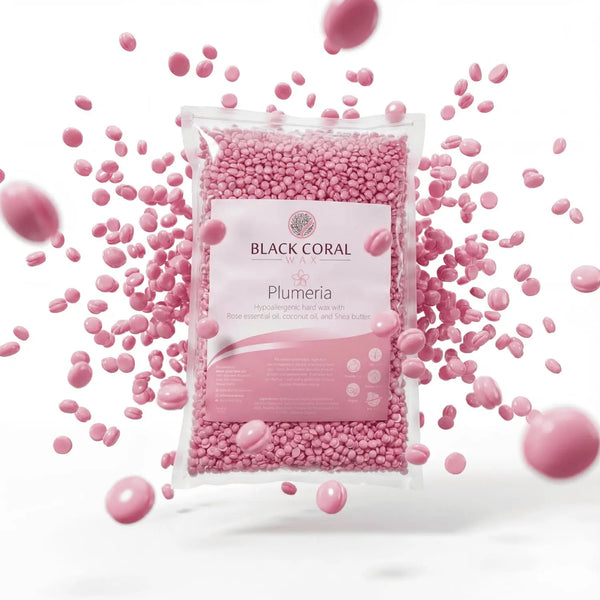
To refine your workflow or compare options for sensitive-area waxing and aftercare, explore the Black Coral Wax collection and education resources.
Frequently Asked Questions About Waxing and Ingrown Hairs
Is hard wax better for clients who get ingrowns easily?
Often yes, for sensitive and friction-prone zones. The key is not the wax category alone; it is whether the wax and technique remove the hair cleanly without snapping it or overworking the skin.
What should a client do if they already have ingrowns?
Keep the area clean, avoid picking, and focus on a gentle maintenance routine once the skin has recovered. If the area looks increasingly irritated or unusual, refer the client to a medical professional rather than attempting extraction in the treatment room.
When should exfoliation start after waxing?
Begin gentle exfoliation 48 hours after the service and continue 2 to 3 times per week. This prevents dead skin from trapping regrowing hairs.
Should clients shave between waxing appointments?
Usually no, especially if ingrowns are a recurring concern. Shaving can create uneven regrowth, sharpen the hair edge, and make the next waxing service less predictable.