Understanding The Best Waxes For The Bikini Area
Choosing the right wax is about more than just removing hair. It’s about delivering a comfortable, professional service that makes clients feel amazing and keeps them coming back. The bikini area is notoriously sensitive, so your wax directly impacts everything-client comfort, the final look, and how their skin recovers afterward.
This decision is more important than ever. The global hair removal wax market was valued at around USD 11.07 billion and is still growing, which shows how much clients are looking for specialized products that work beautifully on delicate skin.
To help you decide what's best for your treatment room, let's break down the main contenders. For a deeper dive, you can also check out our guide on choosing the perfect hair removal wax.
Bikini Wax At-a-Glance Comparison
Sometimes you just need a quick cheat sheet. This table breaks down the key differences between the top three wax types estheticians use for bikini services.
| Wax Type |
Best For |
Adhesion Method |
Pain Level |
| Hard Wax |
Sensitive skin, coarse hair, and smaller areas |
Adheres only to the hair |
Low |
| Soft Wax |
Larger areas, fine hair, and less sensitive skin |
Adheres to both skin and hair |
Moderate |
| Sugar Wax |
Extremely sensitive or allergy-prone skin, fine hair |
Adheres to hair and dead skin cells |
Low |
Each wax has its place, but as you can see, hard wax and sugaring are often the front-runners for sensitive zones due to their gentler adhesion methods.
This chart really puts it into perspective, showing the average pain level and how well each wax works for sensitive skin.
It’s pretty clear why estheticians almost always reach for hard wax or sugaring for bikini services. They score much lower on the pain scale and are far more suitable for delicate skin than traditional soft wax.
Why Hard Wax Is a Top Choice for Sensitive Areas
When estheticians and clients talk about the best waxes for the bikini area, one option always comes up: hard wax. Its reputation as the gold standard for sensitive spots isn't just talk. It’s all about how the wax works with skin and hair, making it the clear winner for comfortable and clean bikini and Brazilian services.
The main benefit of this product stems from its ability to stick well to surfaces. The hair-gripping ability of hard wax differs from soft wax because it shrinks to enclose hair while leaving skin untouched. The substance takes hold of all hair strands during its cooling process which results in a strong grip that does not pull on nearby sensitive skin.
The specific approach delivers substantial benefits which enhance client relaxation. The treatment helps patients avoid the typical bikini waxing side effects which include skin lifting and post-wax redness and irritation. People who have sensitive skin need to use this delicate method because it creates a positive experience for them.
Gentle Heat for Delicate Skin
Another huge plus for professional hard wax is its lower melting point. You apply it warm, not hot, which feels far more comfortable and seriously lowers the risk of burns on such sensitive tissue. This controlled temperature makes the service both effective and safe.
The gentle warmth also helps open up pores and hair follicles just enough to make removal cleaner and easier. When the hair comes out smoothly from the root, there's less trauma to the follicle. That means less breakage and fewer ingrown hairs down the road.
Ideal Scenarios for Using Hard Wax
Hard wax is versatile, but it really shines in the tricky situations you encounter with bikini waxing. Its formula and application technique make it the perfect tool for a few key challenges.
-
Coarse or Stubborn Hair: The strong but flexible grip is amazing at removing the thick, coarse, or multi-directional hair often found in the bikini area.
-
First-Time or Anxious Clients: Because it’s so much less painful, hard wax is perfect for building trust with new clients who might be nervous about their first bikini or Brazilian.
-
Highly Sensitive Skin: For clients who get red, bumpy, or have reactions easily, hard wax is the safest choice. Its minimal contact with the skin prevents unnecessary irritation.
"The preference for hard wax in sensitive areas isn't just a professional trend; it's backed by major shifts in the global market. There's a growing demand for advanced, less painful formulas driven by social media and personalized grooming habits across North America and Europe."
Ultimately, mastering a high-quality hard wax means you can offer a premium service that delivers flawless results while prioritizing your client’s well-being. By understanding its specific benefits, you can confidently explain your product choice and give them a superior waxing experience every time.
If you want to dig deeper into choosing the right product, our guide on how to choose the best hard wax beads for every skin type has even more detailed insights.
When to Use Soft Wax for Bikini Services
While hard wax is the undisputed champion for the most sensitive parts of a bikini or Brazilian, any skilled esthetician knows that soft wax still holds an essential place in their toolkit. It's not the primary choice for the entire service, but it absolutely excels in specific scenarios where you need speed and precision on less delicate skin.
Think of soft wax as your specialist tool for efficiency. Its main role in a bikini service is to quickly clean up larger, flatter areas where the skin is less sensitive and the hair tends to be finer. We're talking about the top of the bikini line or the inner thighs.
This is where soft wax truly shines. Because it’s applied thinly and removed with a strip, you can cover more ground in less time, making it a cost-effective and efficient option for the right parts of the service.
Strategic Application on the Bikini Line
The key to using soft wax successfully in a bikini service is knowing exactly where and when to apply it. You would never, ever use it on the delicate labia or perineal areas-the risk of skin lifting is just too high. Instead, you'll reserve it for the periphery.
Ideal use cases for soft wax during a bikini service include:
-
Cleaning up the "happy trail": It's perfect for quickly removing the fine, vellus hairs that can extend up the stomach from the bikini line.
-
Defining the bikini top line: For clients who want a crisp, clean line across the top, soft wax provides excellent definition on this less sensitive skin.
-
Addressing the upper inner thighs: This area often has sparser, finer hair that soft wax can remove in a single pass, saving you from multiple hard wax applications.
Soft wax is the ultimate "clean-up" tool in a bikini service. While hard wax does the heavy lifting on coarse hair and sensitive skin, soft wax is perfect for polishing the edges and removing fine, downy hair that hard wax might miss.
Safety and Technique Are Non-Negotiable
Because soft wax adheres to both the hair and the top layer of skin, your technique has to be flawless to prevent irritation or damage. There is absolutely zero room for error when working so close to such a delicate zone.
The most critical step is creating a protective barrier. Always apply a thin layer of pre-wax oil before the soft wax. This ensures the wax primarily grips the hair and not the skin, dramatically reducing the risk of lifting.
When you remove the strip, make sure you're holding the skin taut and pulling parallel to the body-never upward. For a more detailed guide on technique, our article on soft wax for hair removal offers additional professional insights.
By understanding its specific strengths and limitations, you can use soft wax to elevate your bikini services, delivering perfectly polished results that are both efficient for you and comfortable for your client.
Exploring Sugaring and Modern Wax Alternatives
It’s not always about hard or soft wax. Many pros are turning to sugaring, especially for clients with super sensitive or reactive skin. It’s an ancient method that’s making a huge comeback, using a simple paste of sugar, lemon, and water. For clients looking for a natural, hypoallergenic option, this is a major selling point.
What makes sugaring so different is the technique. You apply the paste against the direction of hair growth and then flick it off with the natural direction of growth. This detail is a game-changer because it helps reduce hair breakage at the surface, which means fewer painful ingrowns-a huge win for the bikini area.
Sugaring Paste vs. Hard Wax
While both are great for sensitive skin, the experience for both you and the client is pretty different, right down to the cleanup. Sugaring paste is water-soluble, so any residue wipes away easily with just warm water. No mess, no fuss. Hard wax, on the other hand, needs a pre-wax oil to start and a post-wax oil to get rid of any leftover bits.
The application technique is the other big differentiator:
-
Sugaring: The paste goes on against hair growth and is removed with it. This tends to be gentler on the follicle.
-
Hard Wax: The wax is applied with hair growth and pulled off against it, giving it that strong grip needed for coarse hair.
While you’re still getting rid of hair, the choice often comes down to your training and what your client’s skin can handle. Sugaring's gentle, all-natural vibe makes it a fantastic service to offer clients who get serious irritation from traditional waxing.
If you're thinking about adding it to your menu, it helps to see the full picture. We break it all down in our guide on sugaring vs. waxing for your salon.
Innovations in Bikini Area Hair Removal
The hair removal world is always innovating, usually focusing on precision and comfort. A perfect example is the rise of hair removal wax pens. These tools offer targeted application that’s perfect for cleaning up and defining the bikini line. Their convenience is making them a popular choice for both professional touch-ups and at-home maintenance.
The market for these pens is expected to grow from around USD 65.3 million in 2025 to USD 130.8 million by 2035. And the bikini area is projected to make up about 33.7% of that market share. That’s a clear signal that clients want specialized, easy-to-use tools for sensitive spots. You can read more about the growing hair removal wax pen market on futuremarketinsights.com. Staying on top of these trends allows you to offer a service that feels truly tailored to each client's needs.
Matching the Right Wax to Your Client
Choosing the best waxes for the bikini area is less about the product and more about the person in front of you. Your real expertise shines through in the consultation. This is where you connect with your client, ask the right questions, and figure out what they truly need for a comfortable, flawless service.
Is it their first time? Are they worried about pain? Do they struggle with ingrowns? The answers to these questions are everything.
Nailing this part of the service builds a level of trust that turns a one-time appointment into a loyal client. When they know you’re looking out for their skin and comfort, they’ll be back. Let's walk through a few common scenarios you’ll see in your treatment room.
The Nervous First-Timer
For anyone new to bikini waxing, the number one fear is almost always the pain. Your mission here is to make the experience as gentle and reassuring as possible. This isn’t the time to experiment-you need a high-quality, flexible hard wax. No question.
Hard wax is a lifesaver in this situation because it shrink-wraps the hair and lifts off the skin cleanly. That dramatically reduces the "ouch" factor. Its lower melting point also feels less intimidating and is much kinder to skin that’s never been waxed before.
Pro Tip: Talk them through every single step. A little education goes a long way. Explain why you chose hard wax for them and how it works. A calm, confident approach will melt their anxiety and turn them into a regular before they even leave the table.
Clients with Coarse Hair or Ingrowns
Coarse, curly, or stubborn hair in the bikini area is a common challenge. This hair type is notorious for breaking at the surface, which is a fast track to frustrating ingrown hairs. You need a wax with a serious grip that can pull the entire hair from the root without snapping it.
Once again, a polymer-blend hard wax is your best friend here. Its unique formula provides the strength needed to cleanly extract thick, rooted hairs. Sugaring is also a great option, since applying the paste against the direction of growth and removing it with the grain can ease tension on the follicle and reduce breakage.
For these clients, post-wax care is non-negotiable. Stress the importance of regular exfoliation and moisturizing. For a deeper dive, our guide on understanding hair growth in men and women for professional waxing has some great insights.
Highly Sensitive or Reactive Skin
When a client tells you they have sensitive skin, listen up. They might have a history of stubborn redness, bumps, or even allergic reactions. For them, your wax choice must put skin health above everything else.
-
Hypoallergenic Hard Wax: You'll want a formula that's free of the usual suspects like artificial fragrances, dyes, or rosin. A clean, synthetic resin-based hard wax is usually the safest bet.
-
Sugaring Paste: Made from just sugar, lemon, and water, sugaring is naturally hypoallergenic. It’s an amazing choice for clients with extremely reactive skin who can’t tolerate much else.
If a client has a history of severe reactions, always do a small patch test first. Your confidence in the product you choose will give them the peace of mind they need to relax and trust you.
To make it even clearer, here’s a quick guide matching common client concerns with the right wax and a pro tip for application.
Client Scenario Wax Selection Guide
| Client Profile |
Primary Concern |
Recommended Wax Type |
Pro Tip |
| The First-Timer |
Pain and anxiety |
Hypoallergenic Hard Wax |
Use smaller strips and maintain a calm, reassuring dialogue throughout the service. |
| Coarse or Curly Hair |
Ingrown hairs, breakage |
Polymer-Blend Hard Wax |
Ensure skin is held taut and pull parallel to the skin to prevent hair from snapping. |
| Post-Shaving Client |
Short, stubborn stubble |
Flexible Hard Wax |
Apply wax in the opposite direction of growth with firm pressure to "scoop up" short hairs. |
| Sensitive/Reactive Skin |
Redness, irritation |
Sugaring or Synthetic Hard Wax |
Apply a calming pre-wax oil to create a protective barrier between the wax and the skin. |
Ultimately, having a variety of high-quality waxes on hand allows you to customize every single service. Knowing when and why to use each one is what sets a good esthetician apart from a great one.
Expert Tips for a Perfect Bikini Wax
Choosing the right wax is a huge part of the puzzle, but it’s your technique and care that truly make a client’s experience unforgettable. Nailing the pre- and post-waxing steps doesn't just deliver smooth results-it protects your client’s delicate skin and builds the kind of trust that keeps them coming back to you and only you.
From the second a client walks through your door, your entire process should be about their comfort and skin health. A great bikini wax is really a team effort between your hands-on skill and their follow-up care, and it’s your job to lead the way.
Essential Pre-Wax Preparation
A flawless wax starts long before the wax ever touches the skin. Getting the prep right means less pain for your client, fewer reactions, and a cleaner, more efficient service for you.
Your pre-wax checklist should always include these steps:
-
Thorough Cleansing: Start by wiping down the area with a gentle, antiseptic solution. You need to get rid of any oils, sweat, or bacteria sitting on the skin’s surface so the wax can get a clean grip on the hair.
-
Skin Analysis: Take a quick look at the skin. Do you see any irritation, breakouts, or extra sensitivity? This is your chance to double-check that the wax you planned to use is still the best choice for what you're seeing.
-
Client Communication: A calm client makes for a better wax. Talk them through what you’re doing, especially if they seem nervous, and remind them to take deep breaths. When a client is relaxed, their skin is less tense, making hair removal that much easier.
Flawless Aftercare Protocols
What you do after the last strip is pulled is just as critical as the service itself. For the first 24-48 hours, the skin is incredibly vulnerable. Your aftercare instructions are the key to preventing common headaches like irritation, bumps, and ingrown hairs.
Right away, soothe the skin. Apply a quality post-wax calming oil to dissolve any sticky residue and take the initial redness down a notch. You can follow that with a cool compress or a lightweight soothing lotion with ingredients like aloe vera to calm any inflammation.
Handing clients a simple, clear aftercare card can make all the difference. It shows you’re a pro and gives them the power to protect their results until they see you again.
Make sure clients leave knowing these key post-wax rules:
-
Wear Loose, Natural Fabrics: Tell them to stick with loose-fitting clothes and cotton underwear. You want to avoid friction and let the skin breathe.
-
Avoid Heat and Sweat: For the next 48 hours, they need to skip hot baths, saunas, tough workouts, and swimming pools. This helps prevent bacteria from getting into the open hair follicles.
-
Hands Off: This one is huge. Remind them not to touch the freshly waxed area. Transferring oils and bacteria from their hands is a surefire way to clog pores.
Elevate Your Service with Black Coral Wax
Getting those perfect, consistent results always comes back to using professional-grade products that are made for sensitive skin. The best waxes for the bikini area are formulated to be strong enough to get the job done but gentle enough to leave skin happy.
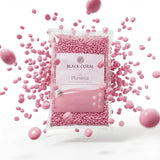
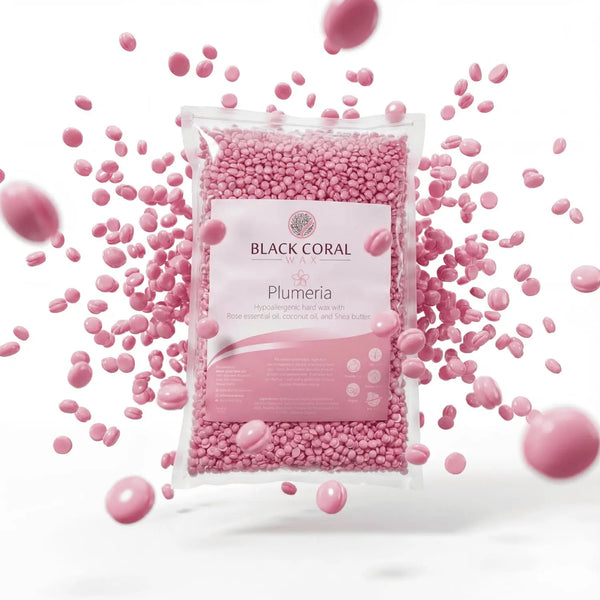
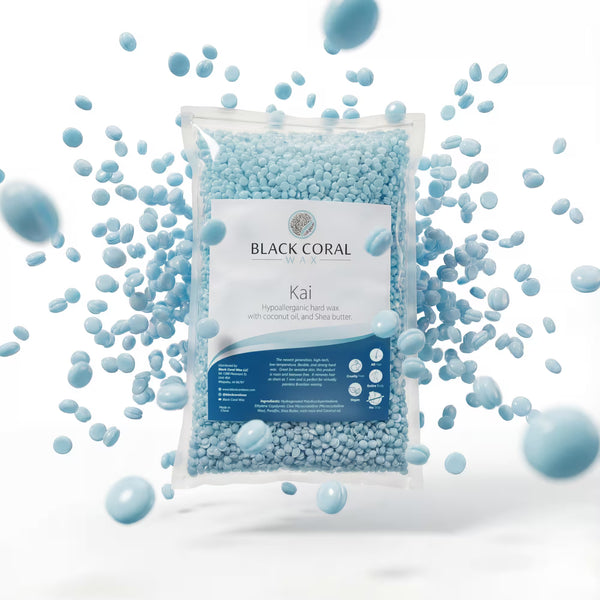
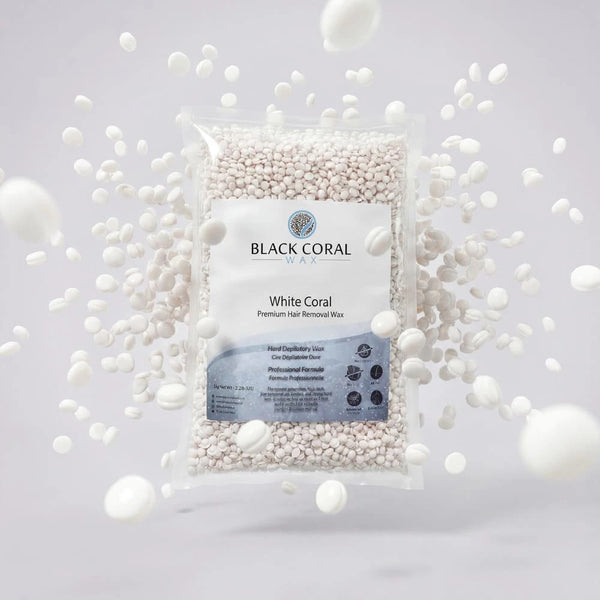
At Black Coral Wax, we create premium hard waxes specifically for estheticians who refuse to compromise on quality. Check out our range of professional waxing products and see how you can elevate your client experience.
Ready to really sharpen your skills? Join the Black Coral Wax Academy for free access to advanced training courses and become the go-to waxing expert everyone is talking about.
Your Top Bikini Waxing Questions, Answered
Even as a seasoned pro, you’re going to get the same questions over and over from clients. Having clear, confident answers ready to go doesn't just put them at ease-it cements your status as the expert they trust. Let's walk through some of the most common queries so you can nail client communication every time.
Which Wax Is Least Painful For a Brazilian?
Hands down, a high-quality hard wax is the kindest option for a Brazilian. Its magic lies in its formula-it's designed to shrink-wrap and grip the hair, not the skin. This means way less pulling and irritation on such a sensitive area, making the whole experience much more comfortable for your client.
The goal is always to minimize skin trauma while getting a clean, efficient pull from the root. Hard wax is the undisputed champion here, making it the go-to for estheticians who refuse to compromise on client comfort or flawless results.
When you're stocking up on premium waxes online, it's good to know they'll arrive safely. If you've ever wondered about the logistics, learning how to safely ship beauty products offers some interesting insights into how it's done right.
Can I Use Soft Wax On The Entire Bikini Area?
Technically, you can, but it's really not the best practice for most clients. Soft wax sticks to the skin much more than hard wax, which seriously ramps up the risk of irritation, skin lifting, and even bruising on the delicate labial tissue. It’s just not worth it.
It's a much safer and more effective strategy to keep soft wax for the less sensitive spots, like the upper thighs or the top of the bikini line where the hair is typically finer.
How Do I Prevent Ingrown Hairs After a Bikini Wax?
This is a big one, and it's all about teamwork. Proper aftercare is the absolute key to keeping ingrown hairs at bay, and it’s a shared responsibility between you and your client.
Make sure you send them home with these non-negotiable aftercare steps:
-
Ditch the Tight Clothes: For the first 24-48 hours, loose, breathable fabrics like cotton are their best friend. This prevents the friction and irritation that can trap new hairs.
-
Exfoliate Gently: Have them start gently exfoliating the area two or three times a week, but only after waiting a few days for the initial sensitivity to calm down.
-
Moisturize Daily: Keeping the skin hydrated and healthy is crucial. It helps new hairs break through the surface properly instead of getting stuck underneath.
-
Invest in a Post-Wax Serum: Recommending a professional-grade serum designed to combat ingrowns can make a massive difference. It keeps their skin smooth and elevates their results between appointments.
At Black Coral Wax, we’re here to arm you with the premium hard waxes and educational support you need to deliver incredible services, every single time. Explore our professional waxing kits to elevate your craft, or join our free Black Coral Wax Academy for next-level training.