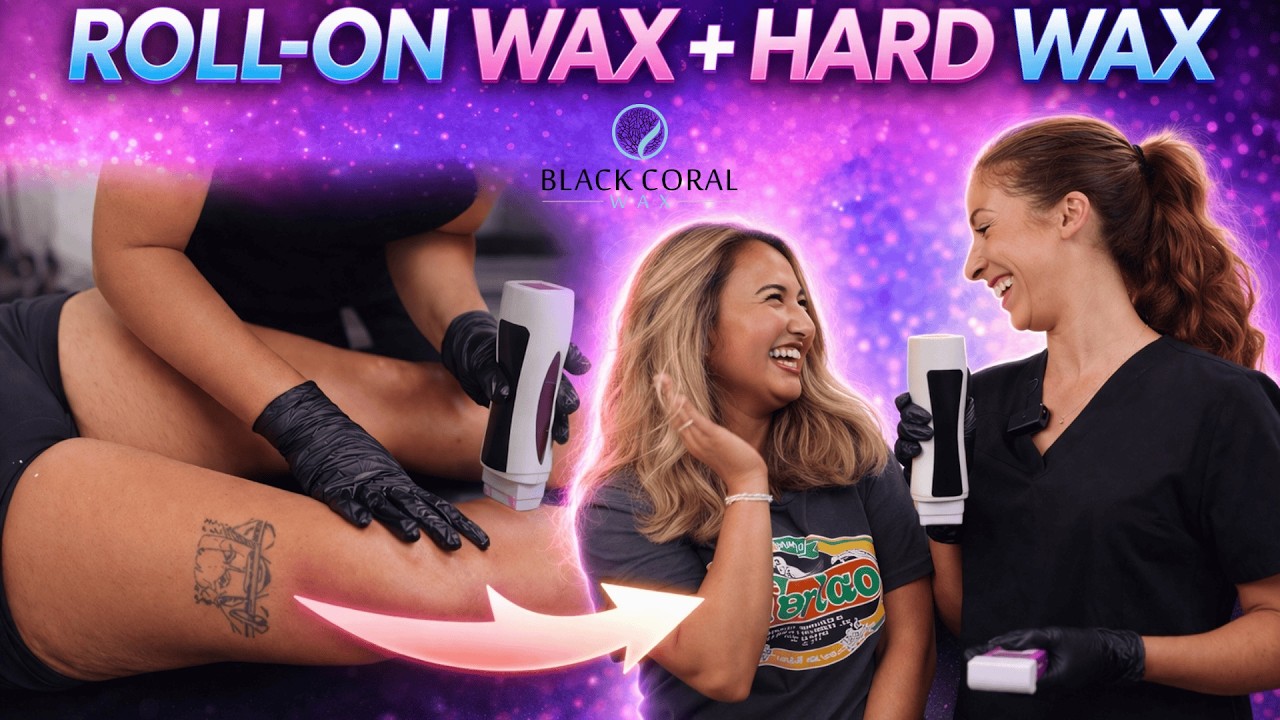
At Home Waxing Kit Reviews for 2026
There are now waxing kits that work as well as professional salon services, which has changed the world of hair removal at home. These reviews of at-home waxing kits will help you narrow down your options and make a confident choice. We want to help you choose a kit that will give you results that are safe, smooth, and last a long time by giving you expert advice.
FREE COURSE
Turn Your Passion for Beauty Into a $75K+ Waxing Business
GET IT NOW!
Course succesfuly sent. 🎉
Please go to your inbox to recieve it.
How to Wax Your Hair at Home Like a Pro
Waxing at home is the most private and convenient option, but the quality of your tools and technique will determine how perfect your finish is. There are so many options on the market that it's hard to tell which kits will give you professional-level results and which ones will just make you angry and irritate your skin.
This guide moves beyond surface-level reviews, providing a professional framework for your decision. We will break down the elements that define a superior waxing experience, from wax formulation and warmer precision to the non-negotiable roles of skin preparation and aftercare.
Key Distinctions In Waxing Kits
Understanding the core differences between available kits is the first step toward a more refined waxing routine. Not all systems are created equal, and the type of wax-hard wax versus soft wax-is a primary differentiator.
|
Feature
|
Hard Wax Kits
|
Soft Wax (Strip) Kits
|
|
Best For
|
Sensitive areas (face, bikini, underarms), coarse hair
|
Large areas (legs, arms, back), fine to medium hair
|
|
Application
|
Applied thicker, hardens and creates its own strip
|
Applied in a thin layer, requires fabric strips for removal
|
|
Skin Adherence
|
Adheres primarily to the hair, making it gentler on skin
|
Adheres to both the hair and the top layer of skin
|
|
Technique
|
Requires some practice for optimal application and removal
|
Generally more straightforward for beginners on large, flat areas
|
Whether you are new to at-home waxing or a seasoned user seeking to elevate your results, understanding these distinctions is crucial. Hard wax, for instance, is the professional's choice for delicate zones because its formula is engineered to shrink-wrap around the hair, not the skin. This significantly reduces discomfort and the risk of irritation.
For targeted areas like underarms, mastering the correct technique is essential. You can explore our expert guide on armpit waxing at home for professional tips.
A professional-grade kit is an investment in your skin's health. It provides the precision, safety, and high-performance formulas necessary to achieve smoother, longer-lasting results with greater comfort than typical store-bought alternatives.
How to Assess an At-Home Waxing Kit: A Professional Checklist
Selecting the right at-home waxing kit is about more than price. To achieve clean, professional results without irritation, it’s essential to think like an esthetician. A superior kit is not just one good product-it's a complete system where each component works in harmony.
This is our professional breakdown for at home waxing kit reviews, moving beyond marketing claims to what truly matters for performance, safety, and skin feel. Understanding these criteria will empower you to choose a kit that transforms waxing from a chore into a refined self-care ritual.
The wax itself is of good quality.
The wax is the most important part of any kit. The way it is made determines how well it works, how comfortable it is, and how well it holds. A high-quality wax, especially hard wax, should melt at a lower temperature to keep your skin safe and make it easier to use.
This is what you should look for in a high-quality wax:
-
Flexibility and Elasticity: The best wax stays soft and won't crack or get brittle when it cools down. This is important for making a clean strip that gets rid of all the hair in one go and doesn't leave behind any flakes.
-
Strong Grip: The formula should "shrink-wrap" the hair and not the skin. It has a professional-grade grip that lets it pull out even short, stubborn hairs from the root, which keeps your skin smooth for longer.
-
Low melting point: This is a safety feature that can't be changed. The application feels warm and gentle instead of too hot, and the lower melt point lowers the risk of burns by a lot.
Better Performance and Accuracy in Warmer
A wax warmer is more than just a place to melt wax; it's a tool that works very well. If the heat isn't steady, the wax won't be either, which can cause burns and waste. A reliable warmer is the first step to a safe and effective waxing session.
The most important safety feature in any at-home waxing kit is a wax warmer with precise, adjustable temperature control. It stops the wax from getting too hot, which is a common cause of skin irritation and burns, and it keeps the wax at the right consistency for the best application.
There is a reason why digital temperature controls are the professional standard. They are more accurate than a simple dial with "low, medium, high" settings, so you can set the exact temperature for your wax and make sure it works perfectly from start to finish. A warmer that heats evenly is also important for melting beads evenly without making dangerous "hot spots."
Accessories and skin care that come with it
The parts that come with a kit are a good sign that the brand wants to give you a professional experience. A wax and a warmer alone won't give you a salon-quality treatment at home.
A good kit should come with everything you need:
-
Professional Applicators: Look for wooden or silicone spatulas that are strong and have smooth edges in different sizes. Using the right size applicator gives you the control you need for different areas, like your upper lip and legs.
-
Pre-Wax Cleanser: Preparing the skin is very important. A good pre-wax cleaner gets rid of oils, lotions, and sweat so that the wax can stick to the hair properly.
-
Post-Wax Calming Oil: Aftercare is equally critical. A soothing post-wax oil is essential for removing wax residue, calming redness, and hydrating the skin to help prevent irritation and ingrown hairs.
Evaluating these factors provides a complete picture of a kit’s true value. For an even deeper dive, our ultimate wax kit guide can help you find the perfect system.
Hard Wax Kits Vs. Soft Wax Kits: A Detailed Comparison
When evaluating at-home waxing kits, the most significant choice is between hard wax and soft wax. While both remove hair from the root, their application, feel, and ideal uses are fundamentally different.
Making the right choice is the secret to a less painful and more effective waxing session. It’s not a matter of one being universally better, but of understanding which tool is right for the job.
Application Technique And Skin Interaction
The primary difference between hard and soft wax lies in how they interact with hair and skin, which directly impacts application and comfort.
Hard wax is melted from beads or pellets. You apply it in a thicker layer, and as it cools, it hardens and shrink-wraps around the hair, creating its own pull-tab. Its key advantage is that it adheres to the hair, not the skin, making it exceptionally gentle.
Soft wax, also known as strip wax, is applied in a very thin, sticky layer. A fabric strip is pressed on top, which adheres to both the hair and the top layer of skin. While it provides excellent grip, the experience can be more intense on the skin.
Expert Insight: The defining benefit of hard wax is its ability to adhere only to the hair. This single detail dramatically improves comfort and reduces post-wax redness, making it the superior choice for sensitive areas like the face, underarms, and bikini line.
Hard Wax vs Soft Wax Kit Feature Matrix
To clarify the decision, here is a side-by-side comparison of how these two waxing kits perform across key features.
|
Feature
|
Hard Wax Kits
|
Soft Wax (Strip) Kits
|
|
Best For
|
Small, sensitive areas (face, bikini, underarms)
|
Large areas (legs, arms, back)
|
|
Pain Level
|
Generally lower; minimal skin pulling
|
Can be higher; adheres to skin
|
|
Skin Type
|
Ideal for all skin types, especially sensitive
|
Best for normal, non-sensitive skin
|
|
Application
|
Thicker layer, creates its own strip
|
Thin layer, requires fabric strips
|
|
Cleanup
|
Easy; minimal residue, removed with oil
|
Stickier; requires an oil-based remover
|
|
Hair Type
|
Excellent for coarse, thick hair
|
Best for fine to medium hair
|
|
Re-Application
|
Can be reapplied on the same spot if needed
|
Do not reapply on the same spot in one session
|
This matrix helps you identify which kit aligns with your needs at a glance. For targeting a sensitive area with coarse hair, hard wax is the clear choice. For quickly clearing large areas of finer hair, a soft wax kit offers greater efficiency.
Best Use Cases For Each Wax Type
Matching the wax to the body part and hair type is fundamental to a successful session. Many professionals and experienced at-home users keep both types available.
Hard wax kits are your precision tool, ideal for small, contoured, or delicate areas.
-
Facial Waxing: The standard for brows, upper lip, and chin where control is paramount.
-
Bikini and Brazilian: Provides a world of difference in comfort for this highly sensitive zone.
-
Underarms: Effectively grips coarse hair that grows in multiple directions without tugging skin.
-
Coarse or Stubborn Hair: The shrink-wrap grip is perfect for thick, tough hairs anywhere.
Soft wax kits are about speed and efficiency on the body’s larger, flatter surfaces.
-
Legs: Allows you to apply long strips and complete the job more quickly.
-
Arms: Similar to legs, it’s an efficient method for achieving a smooth finish.
-
Back and Chest: Ideal for clearing these large areas in a short amount of time.
-
Fine to Medium Hair: Works beautifully on hair that is not exceptionally thick or coarse.
To explore these differences in greater detail, consult our guide on soft wax vs. hard wax.
Discomfort Level And Aftercare
The perceived pain of waxing is often directly related to the wax type. Soft wax removes a fine layer of dead skin cells along with the hair, which some find more painful. It is also critical to never reapply soft wax over the same area in one session, which can be problematic if you miss hairs.
Hard wax is generally considered much less painful. Because it does not adhere to the skin, the pulling sensation is focused solely on the hair. This also means you can safely re-wax a small patch if needed without causing significant irritation.
Cleanup is another major differentiator. Hard wax leaves minimal residue, and a quick wipe with a post-wax oil is all that's required. Soft wax, by contrast, is notoriously sticky. You will need a dedicated oil-based remover to dissolve the tacky residue without irritating freshly waxed skin. When reading at home waxing kit reviews, pay attention to comments on cleanup-it's a significant part of the overall experience.
Why A Professional-Grade Kit Delivers Superior Results
There are a lot of at-home waxing kits in the beauty aisle. Most of them promise smooth skin, but there is a big difference in quality between a basic drugstore box and a professional-grade system. The difference isn't just in the brand; it's also in the quality of the wax, the accuracy of the tools, and the addition of skincare products that help.
When you choose a professional kit, you're using the same high-quality products that estheticians use every day. These systems are designed to work well, so you can have a real salon experience at home. It's not just about getting rid of hair; it's also about getting better, longer-lasting results while putting skin health first.
It All Starts with Better Wax
The wax is the most important part of any kit, and this is where professional formulas really shine. Cheap retail waxes can break easily or not hold on well, but professional-grade hard waxes are made with advanced polymer blends to meet specific performance needs.
These advanced formulas give:
-
Better grip and flexibility: They are made to "shrink-wrap" around every hair, even short, stubborn ones, without sticking to the skin. This makes a big difference in comfort and helps keep irritation from happening.
-
A Lower Melting Point: Professional waxes melt at a much lower and safer temperature. This not only keeps you from getting burned, but it also makes the application feel warm and comfortable, not too hot.
-
Consistent Quality: Each batch is made to be the same every time. The wax melts evenly, goes on smoothly, and dries into a strip that is flexible and won't break or crack when you take it off. This makes sure that the result is always clean.
The secret to a less painful and more effective session is a professional wax formula. A comfortable wax is one that can only grab the hair and not hurt your skin.
Tools for safety and control that are precise
Professional kits come with more than just wax; they also come with tools that are safe and precise. Some people say that the wax warmer is the most important part of a good system.
Basic kits often come with warmers that don't let you control the heat, so you have to guess the temperature. This can make the wax too cool to work with or too hot to be safe. A professional-grade warmer, especially one with digital temperature controls, takes away the guesswork. It lets you set and keep the exact temperature your wax needs, so it stays at the perfect honey-like consistency from start to finish.
The Real Value: Money and Experience
Buying a pro-grade kit can save you a lot of money in the long run. The initial cost may be higher than that of a drugstore kit, but the savings add up quickly over time. In 2023, the global at-home waxing market was worth $4.1 billion. This was because people wanted to avoid paying $50 to $100 for salon appointments.
A good kit can cut these ongoing costs by up to 70% and keep your skin smooth for a long time. If you really want to get the best results at home, you should know what a professional setup looks like. Check out our guide to professional waxing kits for estheticians to learn more about what to look for.
Complete Systems with Skincare That Works
Finally, a high-quality kit is a full system that comes with both pre- and post-wax care products that work together. These are not just extras; they are necessary parts of a professional-level treatment.
A full kit should always have:
-
Pre-Wax Cleanser: This gets rid of oils and lotions on the surface so the wax sticks to the hair properly.
-
This oil gently removes any wax that is still on the skin, soothes it, reduces redness, and adds moisture.
These steps for taking care of your skin are meant to get it ready ahead of time and calm it down afterward. This is important to keep bumps, irritation, and ingrown hairs from happening. This all-encompassing method turns waxing at home from a simple chore into a full skin treatment.
A Step-by-Step Guide to a Perfect Wax at Home
Even the best products that are talked about in reviews of at-home waxing kits won't give you a perfect finish if you don't use the right technique. A professional workflow is what makes a good kit into a great experience. It makes sure that hair is removed cleanly and with as little pain as possible. This guide tells you exactly what an esthetician does to always get smooth, beautiful results.
If you learn how to do these steps, you can turn a task that used to scare you into a calming and confident self-care routine. Every step, from preparing the skin to the last soothing touch, is important for safety and success.
Step 1: Get your skin ready and clean it.
Before the wax ever touches your skin, you need to do some things to get ready for a great waxing session. You have to prepare your skin properly; it's what lets the wax stick to the hair instead of the skin, which is what makes it work and feel good.
Start by washing the area with a special pre-wax cleanser. This step gets rid of any oils, sweat, or lotions on the surface that could keep the wax from sticking. A clean pull needs skin that is clean and dry.
Tip from a pro: Exfoliate your skin 24 to 48 hours before you plan to wax, but not on the same day. This helps lift hairs that are stuck and get rid of dead skin, making it easier to remove and helping to stop ingrown hairs.
Step 2: Apply Wax and Check the Temperature
Now that your skin is ready, it's time to focus on the wax. It's very important to get the right temperature and consistency. The wax won't spread or stick well if it's too cool. If it's too hot, you could get very bad burns and irritation.
The Professional Workflow:
-
Warm the Wax: Set your warmer to the right temperature for your wax beads and turn it on. Let the wax melt all the way down until it is as thick as honey or molasses.
-
Check the temperature: Always test a small amount of wax on the inside of your wrist before using it. It should be warm enough to be comfortable, but not hot. This easy safety check is the most important thing you can do.
-
Apply with Care: Put a new applicator in the wax. Put on a thick, even layer in the direction that your hair grows. For hard wax, make the end of the strip a little thicker to make a "lip" that you can pull on.
It takes some practice to get the right thickness for the application. The strip could break when you take it off if the layer is too thin. You are just wasting product if it is too thick. Our guide on how to use hard wax has more detailed steps to help you get better at it.
Step 3: The Best Way to Pull and Take Off
This is the time when technique really matters for comfort. A quick, sure pull hurts a lot less than a slow, unsure one. The most important thing is to pull in a straight line with the skin, not up and away from it.
The checklist for removal:
-
Let It Sit: For hard wax, wait until the strip has hardened but is still a little bendable when you touch it. It shouldn't feel sticky. This usually takes between 30 and 60 seconds.
-
Pull the skin tight: Use your other hand to pull the skin tight just below the edge of the wax strip. This keeps the skin in place and stops pulling, which is what hurts the most.
-
Quickly pull and parallel: Grab the lip you made and quickly pull the strip off. Pull your hair in the opposite direction of how it grows, keeping your hand close to and parallel to the skin. Think of it like turning a page in a book. Don't pull straight up, as this can break hairs or leave bruises.
Step 4: Important Aftercare and Comfort
Taking care of your skin after waxing is just as important as getting ready for waxing. The skin has been scrubbed very hard, and the pores are open, which makes it easy for bacteria and irritation to get in. Taking care of your skin after the procedure calms it down and stops bumps and ingrown hairs from happening.
The Routine for Aftercare:
-
Remove Residue: Right away, put a good post-wax oil on the area. This will break down any wax particles that are still there without having to rub them hard, and it will also start the calming process.
-
The oil also calms redness and adds moisture, which helps the skin heal. Look for products that have ingredients that are gentle on the skin.
-
Let your skin rest: For the next 24 hours, don't take hot baths, showers, saunas, do hard exercise, or wear tight clothes. This gives the skin time to heal without being exposed to too much heat or friction.
If you follow this four-step professional process, your at-home waxing will be safer, more comfortable, and much more effective every time.
How to Choose the Right Kit: A Suggestion from a Professional
You might want a clear recommendation after learning about the differences in wax quality, system types, and professional technique. If you want to get salon-quality results at home and stay away from cheap products, the choice is clear.
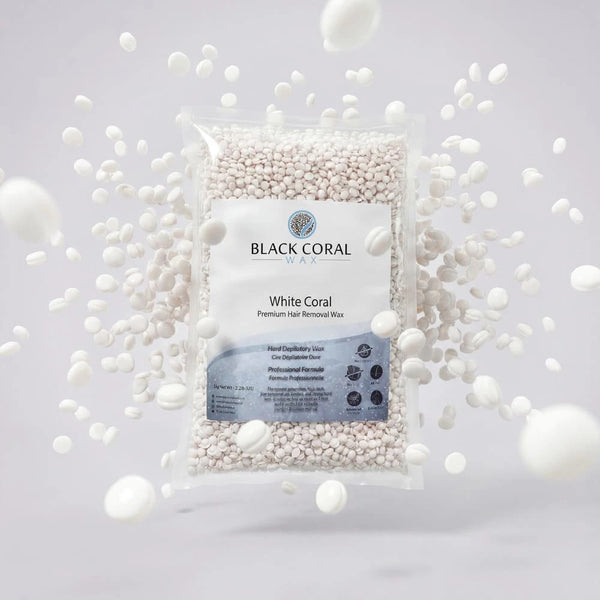
I always recommend the Black Coral Wax system for a real, professional-level experience. This isn't just a random suggestion; it's based on the strict standards we've talked about: a better wax formula, a precise warmer that gives you full control, and a focus on skin health.
Why We Think Black Coral Wax Is a Good Idea
Black Coral Wax stands out because its formulas are inspired by Hawaii and it always makes sure that its products are of professional quality. You can feel the difference in their hard wax beads, which are mixed to work best and be most comfortable.
This is what makes their system different and meets our professional standards:
-
Low Melting Point: Their waxes are made to melt at a lower temperature, which is an important safety and comfort feature for use at home. This makes the whole thing more enjoyable and lowers the risk of burns by a lot.
-
Better grip and flexibility: The formula's magic is that it can shrink-wrap around hair instead of skin. It gets a strong grip on even the shortest hairs while still being flexible, so it pulls cleanly without breaking or becoming brittle.
-
Formulas that are good for your skin: Every wax is made to be gentle on your skin. This makes redness and irritation after waxing a lot less likely, so it's a great choice for sensitive areas.
Black Coral Wax is a great way to connect mass-market retail products with the high-end tools that professionals use. It gives you the perfect, comfortable results you would expect from a high-end salon visit.
Finding the right kit for your needs
Not every great recommendation works for everyone. The best thing about the Black Coral Wax line is that you can choose a kit that is just right for you.
For Beginners or Comprehensive Use: If you are just starting or want a complete solution, a full starter kit is the ideal choice. These kits include everything: a digital warmer for precise temperature control, a selection of wax formulas to try, professional-style applicators, and the essential pre- and post-wax sprays. It’s a complete, cohesive system in one box.
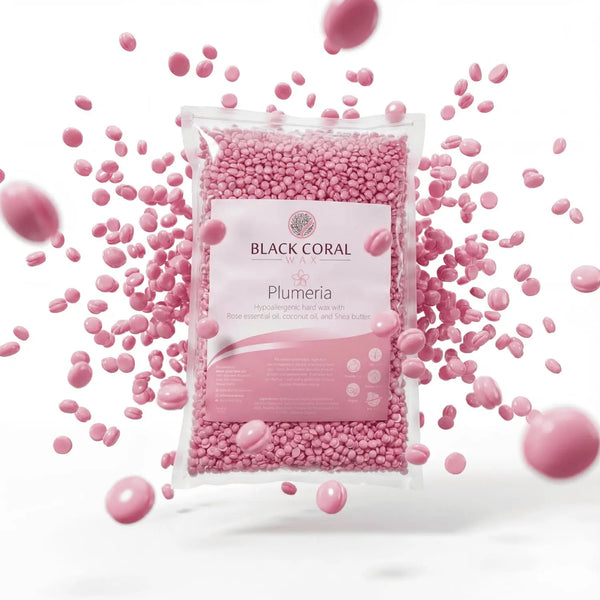
For Sensitive Skin: If your primary focus is waxing the face, underarms, or bikini line, I would suggest starting with the Plumeria hard wax beads. The formula is specifically engineered for gentleness on delicate skin, providing the performance you need without causing irritation.
When you invest in a professional system like this, you’re not just buying wax. You’re adopting a better method that puts safety, results, and healthy skin first. I encourage you to explore the Black Coral Wax collections and discover how much better at-home waxing can be.
Here are some of the most common questions we receive about at-home waxing. Having the right information will help you feel more confident and achieve the smooth, professional results you desire.
How Long Does My Hair Need to Be for Waxing?
For wax to effectively grip the hair, it needs to be approximately 1/4 inch (about 6mm) long. A helpful visual is the length of a grain of rice. This is the optimal length.
If your hair is shorter, the wax will not have enough to adhere to, resulting in patchy removal and frustration. Conversely, if your hair is significantly longer than 1/2 inch, it is advisable to trim it down. This makes the process less painful and more efficient.
Can I Use an At-Home Waxing Kit On My Face?
Yes, but it is imperative to use the correct type of wax. The skin on your face-including the upper lip, brows, and sideburns-is exceptionally delicate and requires special consideration. For these sensitive areas, a high-quality hard wax is the only appropriate choice.
Hard wax is designed to "shrink-wrap" around the hair and not stick to your skin. This is a game-changer for facial waxing because it dramatically cuts down the risk of irritation or lifting skin. Never, ever use soft wax (the kind with strips) on your face.
Even with the proper wax, always perform a small patch test on a discreet area 24 hours beforehand. This simple step ensures your skin is compatible with the product before you proceed with a full application.
How Do I Stop Ingrown Hairs After Waxing?
Preventing ingrown hairs comes down to two key factors: proper technique during waxing and consistent aftercare. When waxing, always hold the skin taut and pull the wax strip parallel to the skin-never pull up and away from it.
Post-wax care, however, is equally important.
-
Let Your Skin Breathe: For the first 24-48 hours, avoid tight clothing, intense exercise, hot tubs, and saunas. This allows the pores to close and recover without added irritation.
-
Gently Exfoliate: After about two days, begin to exfoliate the waxed area a few times per week. This removes the dead skin cells that can trap new hairs beneath the surface.
-
Keep It Moisturized: Hydrated skin is more pliable. Using a light, non-comedogenic oil or lotion daily helps new hair grow out properly instead of becoming trapped.