

Ready for silky-smooth underarms without the salon price tag? Ditching the razor for armpit waxing at home is a fantastic way to achieve weeks of smoothness. With the right professional products and a little practice, it can become a quick and empowering part of your self-care routine. This guide is designed for both beauty enthusiasts seeking flawless results and estheticians looking to perfect their craft.
Why You Should Try Waxing Your Armpits at Home
Let's be honest: constant shaving is a chore. The daily stubble, razor burn, and nicks are frustrating. If you're looking for results that actually last, at-home armpit waxing is a game-changer that puts you back in control of your grooming schedule. Think of this guide as your personal roadmap to getting that salon-perfect finish right in your own bathroom.
The Lasting Benefits of At-Home Waxing
Forget any intimidation-when you use professional-grade products and the right techniques, you can master this skill safely and effectively. The advantages go way beyond just hair removal.
- Longer-Lasting Smoothness: Shaving cuts hair at the surface, but waxing pulls it from the root. The product provides you with smooth underarms which will last for four weeks.
- Finer, Sparser Regrowth: The hair becomes thinner and less dense after regular waxing sessions. The sessions become progressively more straightforward while also becoming more relaxed.
- Cost-Effective Self-Care: Salon visits can add up. A budget-friendly at-home waxing kit which provides professional results can be purchased for a reasonable price.
The trend of personal care at home continues to grow because research indicates that many consumers choose home hair removal because it offers them ease of use.
The real beauty of armpit waxing at home isn't just about saving money or time-it's about gaining a new skill and the confidence that comes with achieving professional-level results by yourself.
Making the switch from shaving offers major perks for your skin's health. To dive deeper, check out our detailed comparison of waxing vs. shaving to see which method offers better results.
Setting The Stage For A Perfect Wax
Great results start long before the wax is warm. Think of this as your pre-flight check for flawless underarms. Getting this prep work right is the secret to a smoother, less painful, and more effective armpit waxing at home session. It is absolutely non-negotiable for success.
Just like a painter primes a canvas, you must prep your skin. This first phase is about creating the perfect surface for the wax to grip the hair, not your skin. Skipping these steps is often the reason for missed hairs, unnecessary redness, or dreaded ingrowns.
Your Pre-Waxing Preparation Checklist
Follow this simple checklist to make your prep work foolproof. These guidelines will elevate your at-home waxing from amateur to pro-level, ensuring your delicate underarm skin receives the best possible treatment.
| Action | Best Time to Do It | Why It's a Must |
|---|---|---|
| Grow Hair to Ideal Length | 2-3 Weeks Post-Shave | The wax needs about ¼ inch of hair to grip. Too short, and it won't be removed; too long can increase discomfort. |
| Gently Exfoliate | 24-48 Hours Before Waxing | This removes dead skin cells, helps free trapped hairs, and is your best defense against future ingrown hairs. |
| Cleanse the Area | Immediately Before Waxing | This step removes deodorant, oils, or sweat that could prevent the wax from adhering properly to the hair. |
| Ensure Skin Is Dry | Just Before Application | Moisture is the enemy of wax. Bone-dry skin ensures the wax can grab every hair securely for a clean removal. |
The Importance Of Ideal Hair Length
For your wax to work effectively, your underarm hair needs to be the right length. The sweet spot is about ¼ inch long-the size of a grain of rice. If you’re a regular shaver, this means letting it grow for about two to three weeks.
While it’s tempting to wax sooner, if the hair is too short, the wax won't be able to grab it, leading to patchy results. Conversely, if your hair is much longer than ½ inch, the pull can feel more intense. Simply trim it carefully before you start. You can learn more in our complete guide on what’s the ideal hair length for best results.
Pro Tip: Gentle exfoliation 24-48 hours before you wax is a true game-changer. Using a scrub or a dry brush buffs away dead skin that can trap hairs, which means a cleaner pull and a much lower chance of pesky ingrowns later.
Right before you begin, cleanse your skin with a dedicated pre-wax cleanser, like the one included in Black Coral Wax kits. It will get rid of any residue from deodorant or lotions. Finish with a light dusting of pre-wax powder to absorb any remaining moisture. This final step guarantees maximum grip and a professional-quality finish.
The Complete At-Home Armpit Waxing Process
Alright, this is where the magic happens. Let's break down the entire process into simple, manageable steps. This will make your first armpit waxing at home session feel less like a chore and more like a new skill you're mastering. With your skin prepped, it’s time to focus on the wax. The goal is to get that perfect, honey-like consistency that glides on smoothly and grabs every hair.
Heating Your Hard Wax To Perfection
First, you need to heat your hard wax. A professional-grade wax warmer is always the best choice, as it provides consistent, controllable heat.
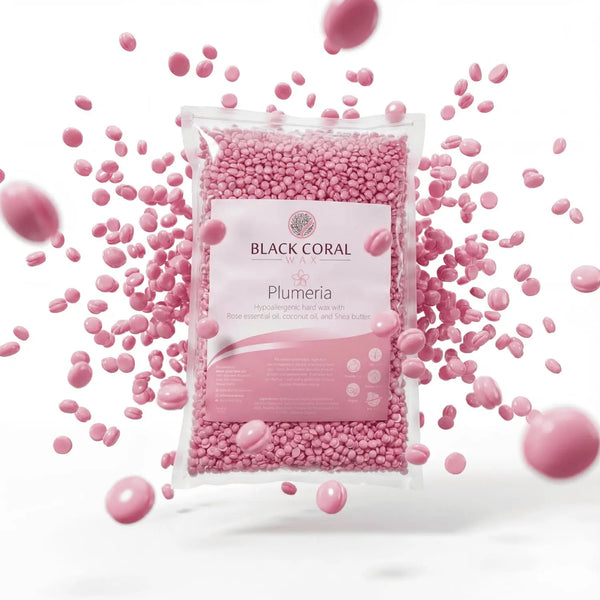
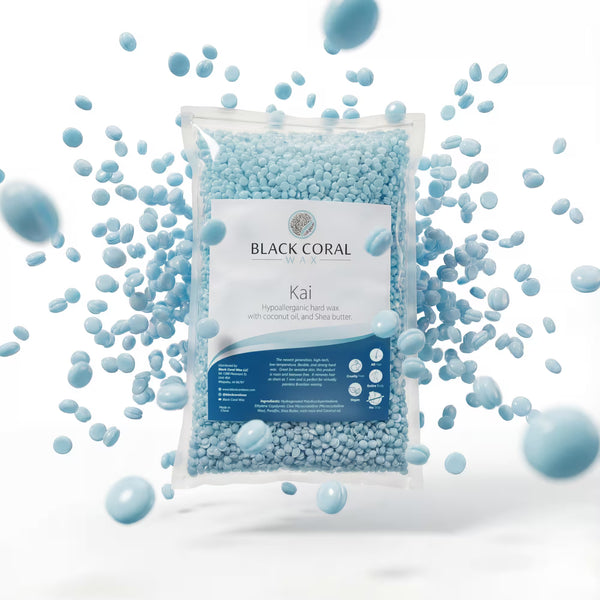
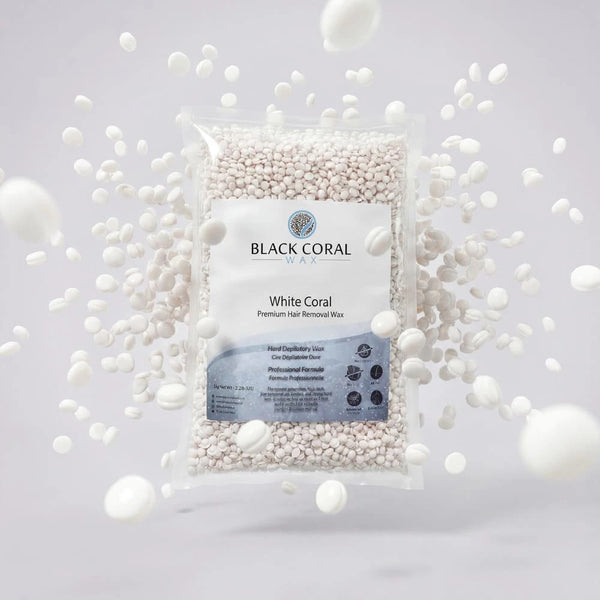
Pour your Black Coral Wax beads into the warmer and set it to medium-high. Stir occasionally with an applicator stick until the beads are completely melted into a thick, creamy consistency. Then, turn the temperature down to a warm setting to maintain it.
Before applying wax to your underarm, always perform a temperature test. Dab a tiny amount on the inside of your wrist. It should feel warm and comfortable-never hot.
This simple check is a non-negotiable safety step that prevents burns and ensures the wax is perfect for the delicate underarm area.
This visual guide shows the precise, gentle motion of applying wax for a flawless result.
The key takeaway here is control. A smooth, even layer applied with intention leads to a cleaner, more comfortable removal.
Applying And Removing The Wax Like A Pro
Underarm hair is tricky because it often grows in multiple directions. The secret to a clean wax is to work in small, controlled sections instead of trying to do the whole area at once.
Identify the direction your hair grows. Most people have an upper section where hair grows upward and a lower section where it grows downward.
-
For the upper section: Raise your arm high overhead to pull the skin taut. Scoop up a small amount of wax on your applicator and spread it firmly in the direction of hair growth. Create a slightly thicker "lip" at the end of the strip-this gives you something solid to grab for removal.
-
For the lower section: Repeat the process, but apply the wax in a downward motion, following the direction of your hair growth.
Let the wax set for about 30-40 seconds. It's ready when it's firm to the touch but still flexible, not brittle. Once set, hold your skin taut with one hand, grab the lip, and pull the strip off quickly in the opposite direction of hair growth. Remember to pull parallel to the skin, not straight up, to minimize discomfort and prevent bruising. For a more detailed walkthrough, check out our full guide on how to properly use hard wax.
Finishing Your Session With Care
After waxing both sections of one underarm, look for any stray hairs. It’s better to tweeze these stragglers instead of re-waxing the same spot, which can cause irritation.
Repeat the process on your other armpit, working with the same precision. Rushing is the enemy of a good wax session. Slowing down almost always guarantees a better, more comfortable result.
Remember, your first time might not be perfect, and that's okay! Like any new skill, practice is what builds expertise. With each session, you'll become more familiar with your hair growth patterns and more confident in your technique.
Mastering Post-Wax Aftercare for Healthy Skin
What you do after your armpit waxing at home session is just as important as the waxing itself. Proper aftercare is your ticket to avoiding irritation, preventing bumps, and keeping your underarm skin beautifully smooth. Think of it as the final step to lock in those amazing, long-lasting results.
The first few moments after you've pulled that last wax strip are all about soothing and cleansing. Your skin is temporarily sensitive, and your pores are open, so it needs a little TLC to calm down and recover.
Immediate Post-Wax Steps
Right after waxing, you might notice some leftover wax residue. Resist the urge to pick at it, as this can introduce bacteria and irritate your sensitive skin.
Instead, use a high-quality post-wax oil. It's specifically designed to dissolve sticky residue gently and effectively without harsh rubbing. A good oil not only cleans the area but also provides a nourishing, moisturizing barrier that begins the soothing process.
After cleansing, calm any redness with a lightweight, calming lotion.
- Look for Soothing Ingredients: Products containing aloe vera or chamomile are excellent choices for their anti-inflammatory and cooling properties.
- Apply Gently: Using clean hands, smooth a thin layer of lotion over the entire underarm area and let it absorb fully.
This two-step process-cleanse with oil, then soothe with lotion-is a professional technique that makes a huge difference in your post-wax comfort.
The First 24-48 Hours: What to Avoid
For the next day or two, let your skin breathe and recover. Your freshly waxed skin is more vulnerable to irritation, so steer clear of a few things to protect it.
Key Takeaway: For the first 24-48 hours after waxing, your main goal is to keep the area cool, clean, and free from friction. This simple rule prevents the most common post-wax issues like redness and bumps.
Follow this simple checklist to ensure a smooth recovery:
- Avoid Hot Showers and Baths: Stick to lukewarm water, as high heat can aggravate sensitive skin.
- Skip the Gym: Sweat from strenuous workouts can introduce bacteria into open pores, potentially causing breakouts or irritation.
- Steer Clear of Deodorants with Alcohol: Many antiperspirants contain alcohol and fragrances that can sting. Opt for an alcohol-free or natural deodorant if needed.
- Wear Loose-Fitting Clothing: Tight tops cause friction, which can lead to chafing and ingrown hairs. Choose soft, natural fabrics like cotton.
By following these guidelines, you're ensuring the flawless results of your at-home armpit waxing last as long as possible. For a deeper dive, explore our complete guide on after-waxing care products.
How to Troubleshoot Common Waxing Hiccups
Even seasoned pros run into snags. When you're tackling armpit waxing at home, learning how to handle these challenges is what builds true confidence. Think of this as your troubleshooting guide for those common "oops" moments.
Don't worry if you miss a few stubborn hairs; it's a normal part of the learning curve. Instead of applying more wax to an already sensitive area, use a clean pair of tweezers. Gently pluck any strays, pulling in the direction of their growth. This targeted approach is much kinder to your skin and helps you get a perfectly smooth finish without extra redness.
Calming Redness and Bumps
A little redness right after waxing is completely normal. However, if it seems excessive or you notice small bumps forming, there are simple tricks to calm things down.
A cool compress works wonders. Press a clean cloth soaked in cold water against your underarms for a few minutes. This helps reduce inflammation and encourages pores to close.
Expert Tip: Hold off on applying heavy lotions or deodorants right after you wax. Your skin needs to breathe! Instead, use a lightweight, soothing product with ingredients like aloe vera to calm the skin without clogging pores.
Solving Wax Consistency Issues
The texture of your wax can make or break your session. If your wax feels too sticky and is difficult to spread, it’s likely too cool. If it gets brittle and cracks when you try to remove it, you probably left it on the skin too long.
- Too Sticky: Simply increase the temperature on your wax warmer until it reaches a smooth, honey-like consistency.
- Too Brittle: Try working in smaller sections and remove the wax strip as soon as it feels firm but is still flexible.
If you end up with stubborn wax residue, our guide on how to remove wax from skin quickly and safely offers great solutions. Finally, always pull the wax strip parallel to the skin-never up and away from it-to prevent bruising. Keep these tips in your back pocket, and you'll be ready to handle any situation like a pro.
Your Top Armpit Waxing Questions, Answered
Got a few lingering questions? Perfect. It’s smart to be curious when you're starting your at-home armpit waxing journey. Let's clear up some of the most common concerns so you can proceed with total confidence.
How Can I Make Armpit Waxing Less Painful?
To minimize the ouch-factor, ensure your hair is the right length-about ¼ inch. When you're ready to pull, hold the skin taut with one hand and pull the strip quickly with the other, parallel to the skin. Also, avoid stimulants like caffeine or alcohol right before you wax, as they can increase skin sensitivity.
The real game-changer is using a high-quality hard wax. Black Coral's professional-grade formula is designed to grip the hair, not your skin, which makes a massive difference in comfort.
How Often Should I Wax My Armpits?
Most people find themselves waxing their underarms every two to four weeks, depending on their individual hair growth rate. A great benefit of a consistent waxing routine is that hair often grows back finer and sparser over time, potentially allowing you to extend the time between sessions.
Is Hard Wax Or Soft Wax Better For Underarms?
For underarms, hard wax is the undisputed champion. The skin there is delicate, the hair is often coarse, and it can grow in multiple directions. Hard wax is made for this challenge. It shrink-wraps around each hair as it cools, so you don't need a fabric strip. This makes it less irritating and much more effective at removing stubborn hairs from the root.
What Should I Do About Ingrown Hairs?
The best defense against ingrown hairs is a good offense. A few days after you wax, start gently exfoliating the area two or three times a week to prevent dead skin from trapping new hairs. If an ingrown hair appears, resist picking at it. Instead, apply a warm compress to soften the skin. You can also use a post-wax product with salicylic or glycolic acid to gently exfoliate the spot and help the hair surface on its own.
Ready to achieve flawless, long-lasting smoothness at home? The right products are everything. Explore our professional-grade waxing kits and find all you need for a perfect waxing experience. For more in-depth training, join the Black Coral Academy for free expert courses.