

An ingrown hair from a Brazilian wax is one of the most common post-treatment concerns. It typically occurs when a hair snaps just below the skin's surface during removal, or when a new, finer hair becomes trapped under a layer of dead skin cells.
This makes the hair curl back on itself or grow sideways into the skin, which makes a red, swollen bump. Beauty professionals need to know what caused this problem in the first place in order to stop it from happening again and make sure their clients are happy.
Why Brazilian waxes can cause ingrown hairs
An ingrown hair after a Brazilian wax isn't just a small problem for your client; it's a technical problem that comes from the way the hair and skin in that area are different from other parts of the body. When you learn the "why," your service goes from just removing hair to a full skin treatment that builds deep trust with your clients.
The hair in the bikini region is typically coarser and curlier than hair on other parts of the body. This natural texture alone makes it more prone to coiling back into the skin as it regrows. Combine that with delicate skin often covered by clothing, and you have the perfect conditions for irritation and ingrowns.
Key Factors Behind Post-Wax Ingrowns
Several factors can create the ideal environment for an ingrown hair. Recognizing them is the first step toward effective prevention.
-
Follicle Blockage: The primary culprit is a buildup of dead skin cells (keratin). This layer can clog the follicle's opening, trapping the new, softer hair tip beneath the surface and forcing it to grow sideways.
-
Hair Breakage: This is often a matter of technique. Using an unsuitable wax or improper removal technique can cause the hair to snap below the skin instead of being extracted cleanly from the root. This leaves a sharp, angled tip that can easily pierce the follicle wall from within.
-
Hair Structure: The natural curl of pubic hair plays a significant role. As it regrows, it is predisposed to bend back toward the skin, which greatly increases the odds of it re-entering the surface. You can learn more about how different hair types affect removal by reading our guide on understanding hair growth.
Research indicates that ingrown hairs are a common side effect of hair removal. A significant cause is removing hair against its natural growth direction, which often causes the shaft to break instead of being cleanly extracted from the follicle.
In the end, avoiding an ingrown hair after a Brazilian wax depends on three things: perfect technique in the treatment room, choosing the best products, and fully informing the client. It all starts with a deep understanding of what causes these problems.
The In-Studio Rules for Stopping Ingrown Hairs
The best way to avoid getting an ingrown hair from a Brazilian wax is to follow a careful, professional process in your treatment room. This protocol is about more than just getting rid of hair; it's also about keeping your client's skin safe from the moment they arrive.
A thorough consultation and skin analysis with the client is the first step to providing great service. Check the area for any irritation, breakouts, or too much dryness that was already there. You can customize your technique and product choices with this quick check, which will make the experience go more smoothly and comfortably.
Getting the Skin Ready for Wax
For a professional service, preparing the skin properly is a must.
Always begin by washing the whole bikini area with a professional, pH-balanced cleanser. This easy step gets rid of sweat, oils, and bacteria that can get in the way of a clean wax application and cause problems after the wax is done.
Put on a thin layer of pre-wax oil after you clean. It makes a barrier between the wax and the skin, which is very important in this sensitive area. The oil makes sure that the wax only sticks to the hair, which greatly lowers the chance of skin irritation and lifting.
What Premium Hard Wax Does
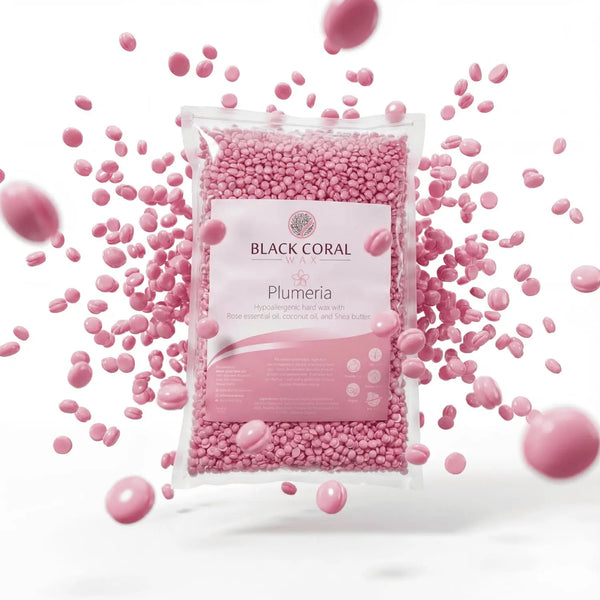
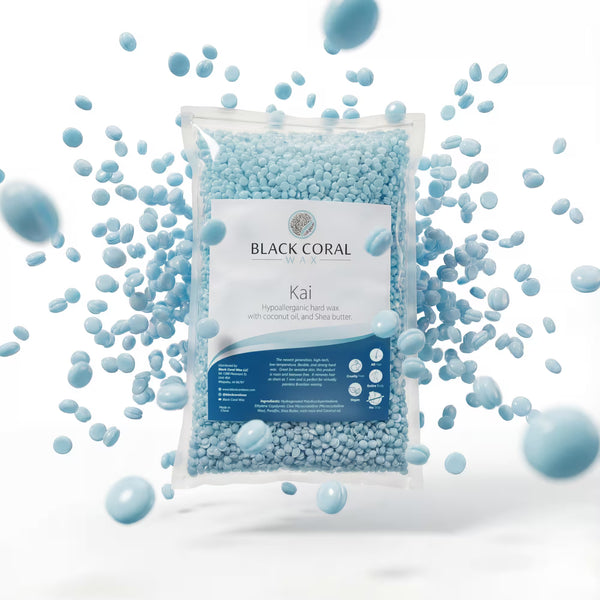
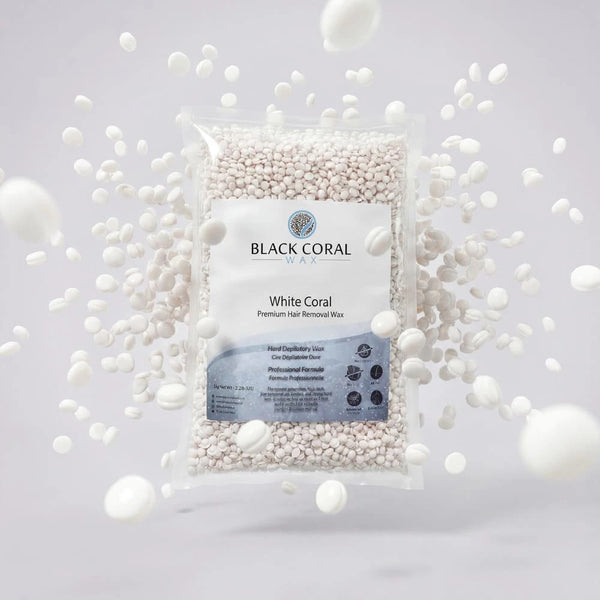
One of the most important things you can do to keep your hair from breaking is to choose the right wax. A high-quality hard wax, like the flexible ones from Black Coral Wax, can make a big difference in Brazilian services. It "shrink-wraps" each hair so that you can pull it straight from the root without any mess.
Using professional-grade products and techniques dramatically lowers the risk of complications. One study found that while 25.6% of people who groom their pubic hair report injuries, professional waxing significantly decreases the odds of high-frequency injuries compared to methods like razors. Learn more about the findings on grooming safety.
This shrink-wrapping action is what sets a superior wax apart. It minimizes the chance of hair snapping below the skin's surface-a primary cause of painful, frustrating ingrowns. To explore wax types in more detail, our guide on soft wax vs hard wax is an excellent resource.
Mastering Application and Removal
Your technique is the final piece of the in-studio puzzle. Precision makes all the difference.
-
Application Direction: Always apply the wax in the direction of hair growth. This helps the wax fully envelop the hair shaft down to its base.
-
Skin Tautness: Keep the skin pulled taut and firm during removal. A good, taut hold stabilizes the skin, leading to a much cleaner and less painful release for your client.
-
Removal Direction: Pull the wax strip parallel to the skin and against the direction of hair growth. Never pull upward or outward, as this can lift the skin, cause bruising, or break the hair.
A disciplined, professional approach elevates a standard Brazilian into a superior, skin-conscious service. This commitment to prevention requires a dual approach: what you do in the treatment room and the aftercare guidance you provide for your client to follow at home.
Professional Prevention Strategies Pre-Wax vs Post-Wax
|
Strategy |
Pre-Wax Action (In the Treatment Room) |
Post-Wax Action (Client Aftercare) |
|
Skin Assessment |
Analyze skin for irritation, dryness, or existing ingrowns. Adjust service accordingly. |
Advise client to monitor skin for 24-48 hours and avoid irritants. |
|
Sanitation |
Thoroughly cleanse the skin with a pH-balanced pre-wax cleanser to remove oils and bacteria. |
Recommend gentle, fragrance-free cleansers and avoiding harsh soaps. |
|
Protection |
Apply a pre-wax oil to create a barrier, ensuring wax adheres only to the hair, not the skin. |
Suggest avoiding heavy oils or lotions that can clog open follicles immediately after waxing. |
|
Hair Removal |
Use high-quality hard wax and precise techniques to remove hair cleanly from the root, preventing breakage. |
Instruct client to start gentle exfoliation 2-3 days post-wax to keep follicles clear. |
|
Immediate Soothing |
Apply a soothing, anti-inflammatory post-wax oil or serum to calm the skin and reduce redness. |
Provide client with a professional aftercare product to use at home to continue soothing the skin. |
By mastering both the in-studio protocol and client education, you create a comprehensive strategy that significantly reduces the likelihood of ingrown hairs and builds lasting client loyalty.
Mastering Client Education For Flawless Aftercare
Your professional responsibility extends beyond the treatment table. The most significant factor in preventing an ingrown hair from a Brazilian wax is what your client does at home.
When you empower clients with clear, simple aftercare knowledge, you transition from their esthetician to their trusted skin expert. This protects the flawless results you delivered and ensures they return.
Move beyond generic advice. Your role is to provide a specific, easy-to-follow plan for what to do-and what not to do-in the critical first 24 to 48 hours. This is when the skin is most vulnerable and follicles are open.
The Immediate 48-Hour Protocol
The first two days are about calming the skin and protecting it from irritation. The goal is simple: minimize inflammation and prevent bacteria from entering open follicles.
Your instructions should be direct and clear.
-
No Heat or Friction: This includes avoiding hot tubs, saunas, steam rooms, and strenuous workouts. Heat and sweat create a breeding ground for bacteria and inflammation.
-
Keep It Clean and Simple: Advise them to use only gentle, fragrance-free cleansers. Harsh soaps or scented body washes can cause further irritation.
-
Hands Off: This is a crucial rule. Remind them to resist touching the freshly waxed area. Bacteria from their hands can easily trigger breakouts or infection.
Your advice as a professional is very important. Clients are much more likely to follow these steps if they know why they need to. Clients are happier, their skin is smoother, and there are fewer problems when they stick to their treatment.
Introducing Scrubbing and Hydrating
After the first 48 hours of calming down, the focus changes to maintenance. This is where you can teach your clients how to properly exfoliate and moisturize. This step is very important because it stops dead skin from building up and trapping new, weaker hairs.
Tell me what the difference is between chemical exfoliants that work better and harsh physical scrubs. A rough, gritty scrub can be too harsh on the bikini area and can even tear the skin.
Instead, point them in the direction of products that contain glycolic acid (an AHA) or salicylic acid (a BHA). These acids work by gently breaking the bonds that hold dead skin cells together. This keeps the openings of the follicles clear without having to scrub them hard.
Suggesting the Right Products
To finish their routine, they need to stay hydrated. A good, non-comedogenic oil will keep the skin soft and flexible, which will help new hair grow through the surface instead of curling back under.
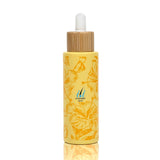
This is a chance to suggest a high-quality product that you trust, such as Black Coral Wax's ili Oil. You can say that it was made to calm and nourish skin after waxing, which helps reduce inflammation and keep moisture in. For a full picture, send clients to our in-depth article on important Brazilian wax aftercare tips.
By giving this level of expert education, you show how valuable you are and make sure that every client leaves with the tools and knowledge they need to get beautiful, bump-free results.
Picking the Right Products to Deal with Ingrown Hair
Providing the right retail items is an important part of your professional service. Your aftercare products must really work and be based on science in order to really help clients deal with the risk of getting an ingrown hair from a Brazilian wax.
This gives them the tools they need to keep their skin smooth and clear like it was after the treatment. It also strengthens your position as a reliable expert who provides real solutions, not just a one-time service.
Knowing what goes into aftercare products is what makes a good recommendation a great one. Different ingredients work in very different ways to keep follicles clear and skin calm.
Figuring Out the Key Active Ingredients
When helping a client pick a product, it's important to explain why it works. Focus on a few key ingredients that get to the bottom of ingrown hairs, like bacteria, blockages, and inflammation.
-
Salicylic Acid (BHA): This is the best way to keep hair follicles from getting blocked. It is a beta-hydroxy acid that dissolves in oil. It gets deep into the pore lining to break up the mixture of sebum and dead skin cells that traps hair.
-
Glycolic Acid (AHA) is an alpha-hydroxy acid that works on the top layer of skin. Glycolic acid is great for breaking down the "glue" that holds dead skin cells together. This stops buildup from getting in the way of new hair growth.
-
Tea Tree Oil: This is a great way to keep your follicles clean and reduce the redness that comes with irritated ingrowns because it is a strong antibacterial and anti-inflammatory.
-
Soothing Botanicals: Ingredients like chamomile, aloe vera, and azulene are important for calming irritation and lowering inflammation after waxing, which makes the aftercare process more comfortable.
Giving customers good, well-made retail products is also a big business opportunity. The global market for treatments for ingrown hairs is expected to grow from about $1.9 billion in 2025 to more than $4.7 billion by 2035. This growth shows that people want solutions that are specific to their needs. You can learn more about this growing market and what it means for your business.
Choosing Your Retail Selection
Your store's shelves should show off your professional standards, so only put things on them that you really believe in. Find formulas that mix active ingredients in smart, complementary ways. A good example of a professionally made product is ili Oil, which has a mix of nourishing and soothing ingredients that are made just for after waxing care.
When you suggest a product, make it sound like it's part of their unique plan for healthy skin. Our guide on how to exfoliate after waxing is full of professional tips that you can share with others if you want to learn more about how exfoliation fits in. This method doesn't just sell a product; it also builds trust and makes sure your clients get the best long-term results.
How To Troubleshoot Severe Ingrown Hairs
As an esthetician, your expertise lies not only in a perfect wax application but also in knowing when to take a step back. You are the first line of defense for your client's skin. While most ingrown hairs from a Brazilian wax are minor, some situations require a cautious, professional eye. Differentiating between them is the mark of a great practitioner.
First, assess what you are seeing. A simple trapped hair typically appears as a small, reddish bump, sometimes with the hair visible beneath the surface. This is distinct from an infected pustule, which will look inflamed, often with a white or yellow head of pus, and will likely be tender. Cysts are deeper, harder lumps under the skin that are often painful.
The Professional Protocol for Minor Ingrowns
For minor, non-infected ingrowns where the hair is clearly visible, you can sometimes assist in the salon. This must be done with impeccable hygiene.
-
Apply a Warm Compress: Begin by placing a clean, warm compress over the area for 5-10 minutes. This softens the skin and the follicle, making it easier to free the hair with minimal trauma.
-
Use Sterile Tools Only: This step is non-negotiable. Use a single-use, sterile lancet or a pair of perfectly sterilized, fine-tipped tweezers. Never use your fingers or unsterilized tools, which can introduce bacteria and lead to infection or scarring.
-
Gently Free the Hair: If the loop of the hair is visible, your only job is to gently guide the tip out from under the skin. You are releasing it, not plucking it from the root. Plucking will only aggravate the follicle.
When to Refer to a Medical Professional
Knowing when to put the tweezers down is arguably your most important skill. It protects your client and your professional reputation. Attempting to treat a seriously infected ingrown hair is outside an esthetician's scope of practice and can lead to complications like a deep-seated infection or permanent scarring.
Your role is to be a guardian of your client's skin. If you see clear signs of infection-significant swelling, persistent pain, skin that is hot to the touch, or obvious pus-it is time to refer them to a medical professional. Building trust by confidently referring a client to a dermatologist is far more valuable than a botched extraction.
Explain the situation to your client calmly and clearly, letting them know why you recommend they see a doctor. To better identify related skin issues, review our in-depth guide on folliculitis after waxing.
The following are red flags that necessitate a medical referral:
-
Signs of Deep Infection: The area is extremely painful, swollen, red, and warm to the touch.
-
Cysts Are Present: A hard, painful lump is felt deep under the skin's surface.
-
Recurring Problem: The client repeatedly develops severe ingrowns in the same spot, despite proper aftercare.
-
Fever or Spreading Redness: These are serious signs that an infection may be spreading.
Handling these situations with professionalism and care solidifies your status as a knowledgeable expert who prioritizes client safety above all else.
Answering Your Top Questions About Brazilian Wax Ingrown Hairs
Let's conclude by addressing some of the most common questions from professionals and clients. Mastering these answers will boost your confidence and make you a better resource for the people you treat.
Are some people more prone to ingrown hairs?
Absolutely. It's not just their perception. Clients with coarse or curly hair are more susceptible because this hair type has a natural tendency to curl back into the skin as it regrows.
Dry skin is another major factor. A buildup of dead skin cells can effectively seal off the follicle, trapping new, softer hair beneath the surface. This is why a one-size-fits-all aftercare plan is ineffective.
How soon can clients start exfoliating after a Brazilian wax?
The golden rule is to wait at least 48 to 72 hours. The skin is highly sensitive immediately after waxing, and premature exfoliation can lead to irritation, redness, and inflammation.
Once this initial healing window has passed, they can begin a gentle exfoliation routine two to three times per week.
For this delicate area, I almost always recommend a chemical exfoliant over a physical one. A product containing an ingredient like salicylic acid is a game-changer because it works inside the pore to dissolve blockages without the risk of micro-tears from a harsh scrub.
The goal is to keep follicles clear without compromising the skin barrier.
Does the type of wax really make a difference?
It makes all the difference. The quality of your wax is your first line of defense in preventing ingrown hairs.
A top-tier professional hard wax, like the formulas perfected at Black Coral Wax, is designed to adhere only to the hair, not the skin. It shrink-wraps each strand, allowing for a clean pull from the root. This dramatically reduces the chances of hair breaking below the surface-a primary cause of ingrowns. Consider it a non-negotiable part of your prevention strategy.
What’s the safest way to deal with a trapped ingrown hair at home?
This is perhaps the most critical advice you can give a client: do not dig, pick, or squeeze an ingrown hair. This is the fastest way to introduce bacteria, leading to a painful infection or permanent scarring.
The safest at-home approach is simple. First, apply a warm compress to the area for 10-15 minutes to soften the skin. Then, follow up with a spot treatment or a chemical exfoliant to gently clear the blockage.
If the tip of the hair eventually emerges, use sterilized tweezers to gently guide it out without breaking the skin. Emphasize that for anything deep, painful, or inflamed, their only course of action is to consult you or a dermatologist.
At Black Coral Wax, we believe exceptional results are achieved through a combination of professional-grade products and expert knowledge. Our premium waxes are formulated to provide a clean, efficient pull that minimizes irritation and helps prevent ingrown hairs, ensuring every client leaves feeling smooth and confident.
Explore our collections and discover why top professionals trust us for a flawless waxing experience at Black Coral Wax.