What Gets Wax Off Skin: A Professional's Guide to Safe Removal
When stubborn wax clings to the skin post-treatment, a professional-grade, calming oil is the essential solution. Estheticians rely on this method because it effortlessly dissolves tacky residue from both soft and hard wax without irritating freshly sensitized skin. Water is ineffective-wax is resin-based, so it simply repels it. Oil, however, works with the wax’s inherent properties to gently break it down for a clean, comfortable finish.
FREE COURSE
Turn Your Passion for Beauty Into a $75K+ Waxing Business
GET IT NOW!
Course succesfuly sent. 🎉
Please go to your inbox to recieve it.
The Professional Method for Removing Wax Residue
When wax stays behind, the immediate impulse might be to scrub it off. Resist this temptation. Scrubbing only aggravates the skin when it is at its most vulnerable. The professional approach prioritizes skin health, using a technique grounded in the science of skincare.
Wax is lipophilic, a technical term meaning it is naturally drawn to and dissolves in oils and lipids. Applying a post-wax oil breaks down the resinous compounds on the skin, allowing you to wipe them away cleanly. Instead of fighting the residue with friction, this method simply melts it away, avoiding the potential for micro-tears and irritation that comes from harsh rubbing.
Why Oil Is the Superior Choice
Choosing the right removal product is crucial for client comfort and achieving polished, professional results. A high-quality oil offers significant advantages over any alternative.
-
Effectively Dissolves Wax: Oil breaks down the wax at a molecular level. This requires minimal pressure to cleanse the skin, eliminating any pulling or tugging.
-
Soothes on Contact: The application of a calming oil is the first step in post-wax recovery. It immediately begins to reduce the appearance of redness and comfort open follicles.
-
Supports the Skin Barrier: A quality oil leaves behind a light, protective layer that helps lock in moisture and restore comfort after the hair removal treatment.
This principle of using gentle yet effective methods is common in professional personal care. The earwax removal market, for instance, is projected to reach US$3.6 billion by 2034, with oil-based solutions leading because they dissolve buildup without causing irritation. The same logic applies to professional waxing.
A skilled application can turn a potentially sticky situation into a seamless, soothing part of the service. Of course, the best way to deal with residue is to prevent it with a flawless technique. For expert guidance on application and removal, our guide on how to use hard wax is an excellent resource.
Ultimately, using a post-wax oil isn't just about cleanup; it's an essential step in delivering a complete, skin-conscious waxing experience that builds client trust and loyalty.
A Guide to Flawless Wax Residue Removal
We have established why oil is the industry secret for removing wax residue. Now, let’s focus on the how. Nailing your cleanup technique is what distinguishes a good waxing service from an exceptional one. It requires finesse, not force-a gentle process that calms the skin and ensures a perfectly clean finish.
The key is to use a minimal amount of product and pressure. A small amount of a quality post-wax oil on a cotton round or your gloved hands is all that’s needed. Use gentle, circular motions to massage it into the skin. This allows the oil to melt the wax without pulling or dragging on sensitive, freshly waxed areas.
This careful touch doesn't just resolve the residue; it initiates the soothing process, ensuring your client leaves feeling comfortable and cared for.
How to Handle Different Wax Scenarios
Not all wax residue is the same, and a true professional knows how to adapt their technique. Your approach may need a slight adjustment depending on the situation.
-
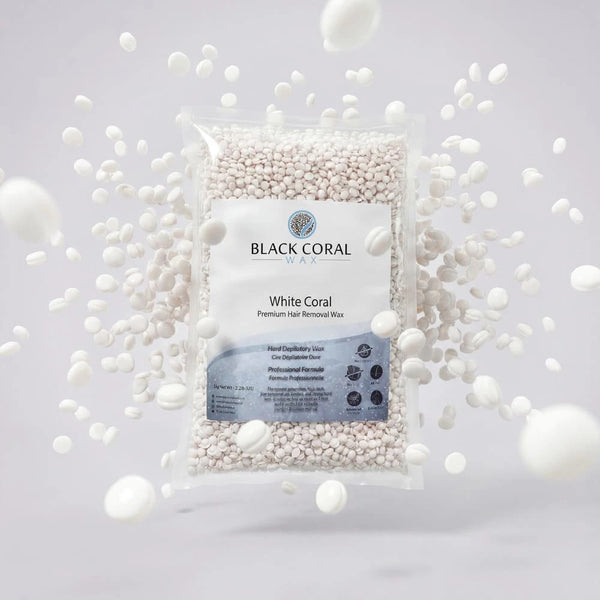
Stubborn Hard Wax Pieces: A premium hard wax, like the formulas from Black Coral, is designed to leave minimal residue. However, a small piece may occasionally break off. If this happens, apply your post-wax oil, allow it to sit for a moment, and gently wipe it away. The oil softens the wax piece, allowing it to lift without resistance.
-
Tacky Soft Wax Spots: Soft wax (also known as strip wax) is inherently stickier and more prone to leaving tacky spots. Never scrub at it. Instead, press your oil-moistened cotton pad onto the area for a few seconds. This gives the oil time to penetrate and dissolve the resin before you wipe.
This final step is more than just cleanup-it is a non-negotiable part of professional client care. In fact, improper wax removal is a significant cause of client complaints, contributing to 15-20% of all post-service issues in salons.
Modern innovations in dissolvable aids have led to post-wax oils that can reduce friction by up to 50%. These advanced formulas are designed to break down rosin in as little as 5-10 seconds, delivering a clean result without tugging on delicate skin.
Effective vs. Ineffective Wax Removal Techniques
It is easy to reach for the wrong product in a pinch, but this can lead to skin irritation and dissatisfied clients. Here is a quick breakdown of what works and what to avoid.
|
Technique
|
Effectiveness & Safety
|
Why It Works (or Doesn't)
|
|
Oil-Based Remover
|
Highly Effective & Safe. The professional standard.
|
Oil dissolves resin-based wax, lifting it from the skin without friction. It also moisturizes and soothes.
|
|
Soap & Water
|
Ineffective & Harsh. Should be avoided.
|
Water repels wax. Attempting to scrub wax off with soap and water leads to aggressive rubbing and skin irritation.
|
|
Alcohol/Witch Hazel
|
Ineffective & Drying. Can cause stinging.
|
Alcohol does not dissolve wax. It strips the skin of its natural oils, causing dryness, redness, and discomfort.
|
|
Picking or Scraping
|
Dangerous & Ineffective. Never do this.
|
This can damage the epidermis, leading to abrasions, broken capillaries, and the potential for infection.
|
As the chart shows, oil isn't just one option-it is the only professional choice for maintaining skin health post-wax.
Pro Tip: If the spots are really hard to get rid of, especially with soft wax, let the oil sit on the skin for up to 60 seconds. This longer time lets the oil completely dissolve the wax, which makes it easy to remove and stops redness from happening.
By perfecting your cleaning skills, you show that you care about your client's comfort and skin health. This is one of the things that shows your expertise and builds trust that will never waver.
Of course, aftercare goes on after removal. The next step to getting smooth, bump-free results is to follow up with the right kind of exfoliation. Our guide on how to exfoliate after waxing will show you the right way to do it.
How to Pick the Best Oil After Waxing
Not all oils are good for taking care of your skin after waxing. The right formula will get rid of any leftover wax and calm the skin at the same time. If you use the wrong one, it can make your pores clogged and hurt. A good post-wax oil should feel light, soak in well, and never leave a greasy film.
A formula that doesn't clog pores should be your top priority. This is not up for discussion, especially for clients with sensitive or acne-prone skin. When follicles are open and vulnerable right after waxing, it's important that oils don't block pores. Heavy, occlusive oils can trap bacteria, which can cause breakouts and bumps after waxing.
Important Ingredients to Look For
You can tell everything about how well an oil works by looking at the list of ingredients. Professionals like certain ingredients because they are gentle and good at getting rid of wax while also calming irritation.
-
Mineral Oil: Mineral oil that has been very refined and cleaned is a great way to get rid of wax. It doesn't block pores and makes a light, protective barrier on the skin that keeps moisture in without feeling heavy.
-
Jojoba oil is great for calming down skin. It absorbs well without clogging pores because its molecules are very similar to the sebum that our skin makes. This makes it a great choice for calming down skin that is easily irritated after a service.
-
Professionally Made Blends: The Black Coral Post-Wax Oil is an example of a product that is expertly made to work well. They use a mix of strong ingredients to quickly get rid of wax and calm and soothe the skin, which is great for taking care of yourself after treatment.
Sweet Almond Oil is another natural choice that is known for being soft and moisturizing.
In the end, the best way to safely and effectively get wax off skin is to choose a lightweight oil that was made by professionals. It shows that you care about your clients' skin health and makes your service better.
Things You Shouldn't Do When Removing Wax
Knowing how to get wax off skin is only half the battle; it's also important to know what not to do to keep your client's skin safe after waxing.
Even professionals who have been doing their jobs for a long time can get into habits that seem to work but actually cause problems or leave a finish that isn't as good as it could be. What really sets an expert apart is their ability to understand the subtleties of removing residue.
Using Too Much Oil
One of the most common mistakes is applying too much post-wax oil. While oil is the correct tool, drenching the skin creates a greasy feel that clients dislike. It can also prevent subsequent soothing lotions from absorbing properly.
Remember, the goal is a clean, velvety finish-not an oil slick.
Rubbing Too Hard
Another frequent pitfall is aggressive rubbing. When faced with a stubborn, tacky patch of wax, the instinct may be to apply more pressure. This is entirely counterproductive.
Excess friction on newly sensitized skin is a direct cause of redness and irritation. It is a harsh approach when the client's skin requires a gentle touch.
Let the Oil Do the Work
The professional solution is simple: patience.
Instead of force, apply a small amount of post-wax oil directly onto sticky spots and let it sit for 30 to 60 seconds. This brief pause allows the oil to penetrate and dissolve the wax's resinous bonds.
After allowing the oil to work, a gentle wipe with a cotton pad is all that is needed. The wax will lift cleanly without pulling, leaving the skin calm and comfortable. This small adjustment in your technique makes a significant difference in the client's experience.
Finally, resist any urge to pick at small, hardened pieces of wax. Using a fingernail or tool can easily scratch the epidermis, compromising the skin barrier and creating an entry point for bacteria. This is one of the key lessons in our guide to the top 10 common waxing mistakes and how to avoid them.
Essential Post-Wax Skin Soothing and Care
Knowing what gets wax off skin is the first step. The true art of a professional service-and what keeps clients returning-is the dedicated care you provide after the last bit of residue is gone.
As soon as your skin is completely clean, you need to stop cleaning and start calming. This is when skin that has just been waxed is most at risk. A good, calming lotion or gel to use after shaving is very important.These formulas are made to cool the skin, make the redness go away right away, and bring things back to normal without blocking open pores.
Teaching Your Client About 24-Hour Care
A great waxing experience goes beyond the treatment room. Giving clients clear, simple aftercare instructions shows that you care about their skin health and helps them get the best results. Your professional advice is a big part of the service.
Make sure your clients know not to do the following for the first 24 to 36 hours:
-
Heat and Sun: This includes taking hot baths, going to saunas, steam rooms, and lying in the sun.After waxing, the skin is more sensitive and more likely to get burned.
-
Intense Exercise: Sweat and rubbing can make the skin feel bad and let bacteria into open hair follicles.
-
Tight Clothes: Tell your clients to wear cotton or other loose, breathable fabrics so their skin can breathe and they don't rub against things they don't need to.
-
Perfumes, scented lotions, and harsh soaps can easily irritate skin that has just been waxed.
This all-encompassing method, which includes getting rid of all traces of wax and teaching clients how to care for their skin afterward, makes sure that clients leave with calm, healthy skin.You can give them advice on how to reduce skin inflammation and redness to help them deal with any redness that won't go away. Many of the same ideas work for both.
Check out our guide on professional after-waxing care products for more information on the best formulas for skin recovery.
Frequently Asked Questions About Wax Removal
We have talked about the professional ways to get a finish that is perfectly smooth and free of wax, but some questions are still left. Let's talk about some of the most common questions that clients and new professionals have.
Can I Use Water and Soap to Remove Wax from My Skin?No, this method doesn't work and is too harsh. Wax is a resin that is based on oil, which means that water won't stick to it. If you try to scrub wax off with soap and water, you'll just rub your skin too hard, which will make it red and irritated without getting rid of the sticky residue.
What If I Don't Have Post-Wax Oil?
In an absolute pinch, a pure, skin-safe oil from your pantry can work. Options like coconut oil, olive oil, or baby oil can be used. Apply a small amount and gently massage the area until the wax dissolves.
However, a professionally formulated post-wax oil is always the superior choice. These products are specifically designed to be non-comedogenic (won’t clog pores) and are often enriched with soothing ingredients to calm the skin after treatment.
The most important principle is that oil is what gets wax off the skin. The goal is always to dissolve the residue gently, never to scrub it away. This protects the skin’s integrity and ensures a comfortable, professional result every time.
For professional-grade waxes and aftercare products that deliver consistently clean results, explore the collections at Black Coral Wax. Discover the difference that high-quality, skin-first formulas can make in your salon. Learn more about our products.