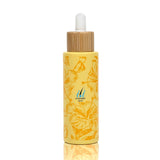


To stop ingrown hairs from happening, you need to know what causes them. When a hair curls back and grows into the skin instead of out, it becomes an ingrown hair. The best way to do this is to use the right hair removal methods, prepare your skin consistently, and take care of it well afterward. This professional method lets hair grow freely, which lowers the chance of bumps and irritation.
Figuring out what causes ingrown hairs
Before looking into ways to stop these annoying bumps from happening, it's important to know what causes them. Pseudofolliculitis is the medical name for an ingrown hair. It happens when a hair gets stuck under the skin. Instead of growing straight out of the follicle, it curls back into the skin, which makes the body react with inflammation.
This reaction is what makes the bump red, sometimes painful, and often itchy. Shaving is a common cause, but waxing can also make things worse, especially if a hair breaks off below the skin instead of being pulled out cleanly from the root.
The Importance of Hair Texture and Skin Health
Some hair and skin types are more likely to get ingrown hairs than others. Some things make it much more likely that they will happen.
-
Hair that is curly or coiled: This hair type has a natural curve, which makes it more likely to curl back toward the skin as it grows back. This is why people with coarse, curly hair are more likely to have this condition.
-
Dead Skin Cell Buildup: When dead skin cells build up, they can block the opening of the hair follicle. This blockage can make the hair that is growing back grow sideways or down, which can cause an ingrown hair.
The first and best way to protect yourself is to have healthy, well-exfoliated skin. When the way for regrowth is clear, hair is much less likely to get stuck.
How to Tell the Difference Between Ingrown Hairs and Folliculitis
It is very important to tell the difference between an ingrown hair and folliculitis. Folliculitis is an infection or inflammation of the hair follicle itself. It usually looks like groups of small red bumps or white-headed pimples.
An ingrown hair can get infected and look like folliculitis, but the two conditions are not the same. To get the best treatment, you need to know what the problem is. Please read our full guide on folliculitis after waxing for more information.
You can make a routine that gets to the bottom of the problem by figuring out the main causes: hair type, how you remove it, and the condition of your skin.
Your Pre-Wax Routine to Avoid Bumps
A good waxing service starts long before the wax is put on. A regular pre-wax routine is the best way to keep ingrown hairs from happening, whether you're a professional esthetician or doing it at home. This preparation makes sure the skin is ready for hair removal, which makes it easier to pull and lessens irritation after waxing.
The main goal of preparing the skin is to make it easier to remove the hair cleanly from the root. A buildup of dead skin cells, oils, or bacteria can make it harder for the wax to stick to the hair. This often causes hair to break at the skin's surface, which is a common cause of ingrown hairs.
Gentle Exfoliation is Key
The first step in proper skin prep is gentle exfoliation, but timing is critical. You should exfoliate the area 24 to 48 hours before a waxing appointment. Exfoliating closer to the service can leave the skin overly sensitive and prone to irritation.
This simple step removes the layer of dead skin that can trap emerging hairs. A harsh scrub is unnecessary; a soft exfoliant, a dry brush, or a washcloth used in gentle, circular motions is sufficient. The objective is to smooth the skin's surface, not to abrade it.
Clearing away this buildup not only helps prevent future ingrowns but also enhances the efficacy of the wax. With the hair fully exposed, the wax can achieve a superior grip for a clean, seamless removal.
Ensure a Clean and Dry Canvas
Immediately before waxing, the skin must be completely clean. Using a professional-grade pre-wax cleanser is a non-negotiable step in any waxing service. It effectively removes surface oils, sweat, and bacteria without stripping the skin's natural moisture barrier, ensuring the wax adheres only to the hair.
After cleansing, the skin must be thoroughly dry. Any residual moisture will prevent the wax from gripping the hair correctly. A light application of pre-wax powder is ideal for absorbing any remaining moisture, creating the perfect surface for both soft and hard waxes to perform effectively.
This meticulous preparation reduces skin trauma by enabling a clean pull from the follicle. It is also important to ensure the hair is at the proper length for removal. For detailed guidance, review our article on the ideal hair length for the best waxing results. By making this ritual a standard practice, you set the foundation for smoother, longer-lasting results with significantly fewer post-wax bumps.
Pre-Waxing Preparation Checklist
Follow this simple checklist before your waxing session to ensure optimal results and significantly reduce the risk of ingrown hairs.
|
Action Item |
Timing |
Purpose |
|
Check Hair Length |
1 week before |
Ensure hair is ¼ inch long (a grain of rice) for optimal grip. |
|
Gentle Exfoliation |
24-48 hours before |
Remove dead skin cells that can trap hairs and cause ingrowns. |
|
Avoid Moisturizers |
24 hours before |
Prevent lotions or oils from creating a barrier on the skin. |
|
Take a Warm Shower |
Day of appointment |
Open up pores and soften hair follicles for easier removal. |
|
Cleanse the Area |
Immediately before |
Remove surface oils, sweat, and bacteria for better wax adhesion. |
|
Dry Skin Thoroughly |
Immediately before |
Apply pre-wax powder to absorb any moisture for a perfect canvas. |
Adhering to this routine is a professional practice that separates an adequate wax service from a flawless one. It is the key to maintaining healthy, smooth, and bump-free skin.
Learning how to wax properly to avoid hurting your skin
The quality of a waxing service has a direct effect on the health of your skin and the chance of getting ingrown hairs. For professionals, doing each step perfectly is necessary to turn a normal service into an experience that protects the skin. The main goal is to pull the hair out cleanly and decisively, from the root, instead of breaking it off at or below the skin's surface.
When a hair breaks, the end of it is sharp and angled. When this hair grows back, it can easily break through the follicle wall, which causes inflammation and the growth of ingrown hairs. This is why it's so important to get your technique down. It's about keeping the follicle healthy and reducing damage to the skin.
Picking the Right Wax for the Job
Choosing the right wax is the first important step in any service. Choosing between hard and soft wax isn't just a matter of taste; it's also about matching the product to the client's skin type, hair type, and the area being treated.
-
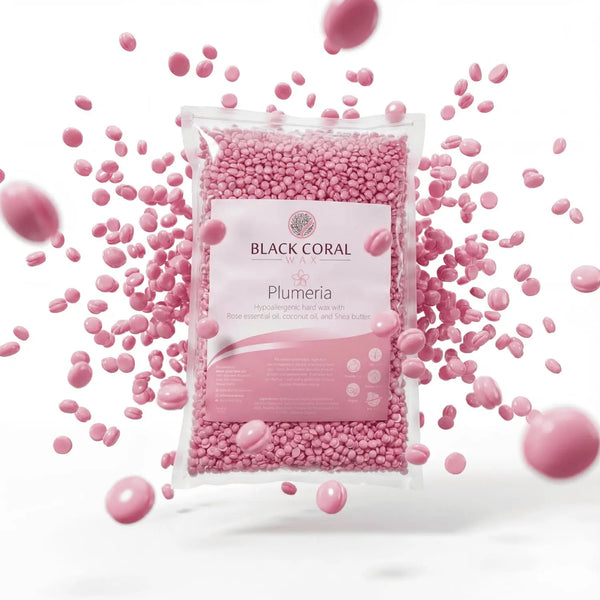
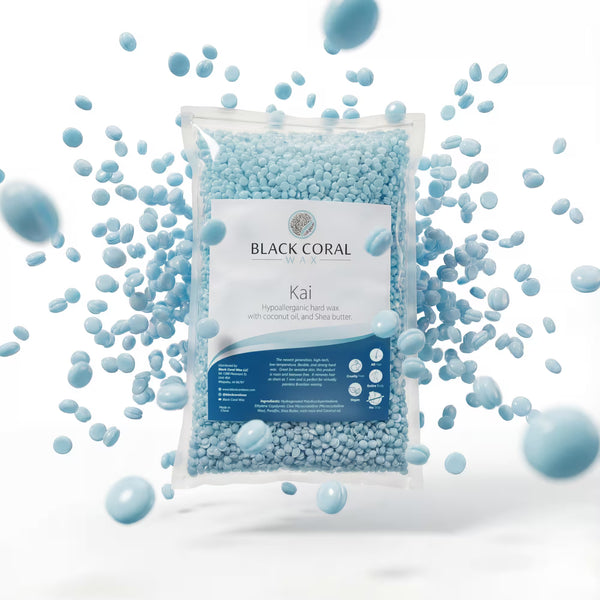
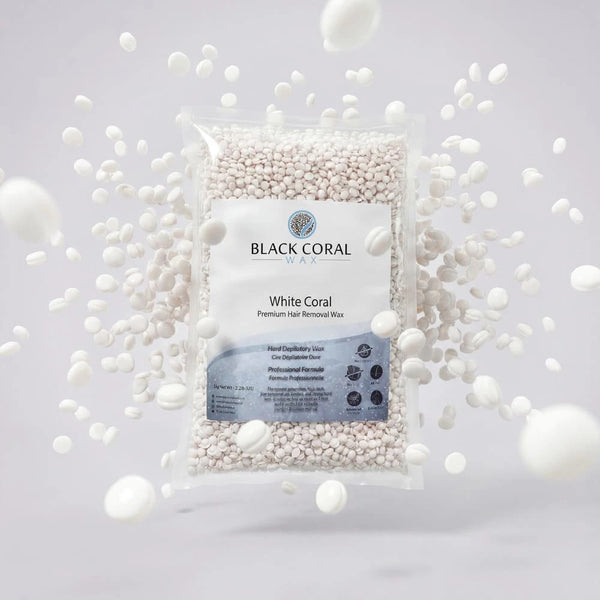
Premium Hard Wax is the best choice for sensitive areas like the bikini line, underarms, and face. Hard wax sticks to hair, not skin, which makes it a lot less painful and irritating. It wraps around coarse, stubborn hairs, making it much less painful to take off.
-
High-Quality Soft Wax, also called strip wax, is great for larger areas like the legs, arms, and back. It works very well because it is put on in a thin layer and taken off with a strip. You need to be careful when you use it so that you don't bruise or lift the skin.
Tip from a pro: Always do a patch test when you get a new client or a new wax product. This easy step helps figure out how sensitive your skin is and whether the product will work with it, stopping bad reactions before they happen.
The Things You Can't Change About the Application
Once the wax is chosen, it is very important to apply and remove it perfectly. If you don't use the right technique, even the best wax can cause problems. Here, the little things set a professional service apart.
First, think about the temperature. If the wax is too hot, it can burn the client. If it is too cold, it won't spread evenly or hold the hair well, which can cause it to break. It should be smooth and fluid, like warm honey.
Next, always apply wax in the direction of hair growth. This allows the wax to fully envelop each hair shaft. When removing the wax, hold the skin taut with one hand to provide support. With the other hand, pull the strip quickly and parallel to the skin. Never pull upward, as this increases the likelihood of breaking the hair and irritating the follicle.
Learning to avoid these common errors is key. You can explore this topic further in our guide to common waxing mistakes and how to avoid them.
The Most Important Things to Do After Waxing
Taking care of yourself after treatment is just as important as getting ready for it. The skin is sensitive and the hair follicles are open after a waxing service. It takes time for them to close and heal. To avoid irritation and ingrown hairs, it's important to follow a good aftercare routine.
The first 24 to 48 hours are the most important. During this "calming" phase, the main goal is to calm the skin and keep the weak follicles safe from bacteria and friction. During this time, it's best to stay away from anything that makes you sweat or get hot.
Your Immediate Aftercare Plan for the First 48 Hours
After an appointment, the skin needs gentle care right away to help it heal properly. The goal is to reduce stress on the area that was treated.
A few simple rules can make a big difference:
-
Stay Away from Heat: Don't take hot baths, go to saunas, steam rooms, or do hard workouts. Heat can make inflammation worse and keep pores open longer, which makes it easier for bacteria to get in.
-
Wear clothes that are loose: Stay away from tight, synthetic fabrics that hold in heat and moisture and can rub against sensitive skin. Choose cotton that is loose and breathable so that your skin can breathe.
-
Don't Use Harsh Products: Don't use lotions, scrubs, or other products that smell good or have alcohol in them. These can make follicles that have just been treated red and bumpy.
This is the best time to use a professional product after waxing. A high-quality calming oil or serum can help the skin heal by reducing redness, fighting bacteria, and making the skin feel better.
Bringing Back Exfoliation at the Right Time
After the first 48 hours of being sensitive, the focus can switch to maintenance. This is a good time to start gently exfoliating again. This is important for keeping follicles clear as new, finer hairs start to grow.
Learning about chemical exfoliation can change the way you take care of your skin. Salicylic or glycolic acid are two examples of ingredients that can help keep dead skin cells from clogging the follicle opening by breaking the bonds that hold them together.
You make it easier for new hair to grow out without getting stuck by gently exfoliating two to three times a week. One of the best ways to stop ingrown hairs is to make this simple habit a part of your daily life.
The need for good solutions is growing. The market for ingrown hair treatments is growing quickly around the world, and dermatologist-tested products hold 51.1% of the market in the U.S. This shows how much faith people have in clinically proven products to help with irritation.
Looking into professional after-waxing care products can give you great options for building a full regimen. The professional secret to keeping skin smooth and bump-free is to combine immediate soothing care with regular, gentle exfoliation.
How to Get Rid of Ingrown Hairs for Good
It takes a long-term commitment to always keep ingrown hairs away. A professional wax is a great start, but the secret to keeping your skin smooth and clear is to make good habits every day and week. The best way to keep annoying bumps from forming is to stick to a regular schedule.
This long-term plan is based on two main ideas: keeping the skin free of blockages and making sure it stays soft and hydrated. Healthy skin lets hair grow out of the follicle without getting stuck.
Make a schedule for exfoliating that you can stick to.
Exfoliating regularly is probably the most important thing you can do to keep ingrown hairs from happening. It stops dead skin cells from building up, which can block hair follicles and keep new hairs from coming in. Finding the right balance is important, though, because too much exfoliation can strip the skin and make it even more irritated.
It's a good idea to switch between two different kinds of exfoliants.
-
Use these gentle physical scrubs once or twice a week. Using a fine-grain sugar scrub or a soft dry brush before a shower can manually buff away dirt and grime on the skin, making it feel smoother right away.
-
Chemical exfoliants should be used two to three times a week on days when you don't use a physical scrub. Salicylic acid and glycolic acid are two ingredients that work very well because they break down the "glue" that holds dead skin cells together, allowing for a deeper and more even exfoliation.
Our full guide has more information on how to exfoliate after waxing to get skin that is softer and free of bumps. This two-pronged approach keeps hair follicles clear without hurting skin health.
Prioritize Daily Moisturization
Hydrated skin is healthy skin. Well-moisturized skin is more pliable and elastic, which allows new hairs to penetrate the surface more easily. Conversely, dry, tight skin acts as a barrier, forcing hair to grow sideways or curl back into the skin.
Establish a habit of applying a non-comedogenic (pore-clogging) lotion or body oil daily. The optimal time is immediately after a shower, while the skin is still slightly damp. This helps to lock in moisture and maintain a strong, healthy skin barrier.
Think of it this way: moisturized soil is soft, allowing sprouts to grow through easily, while dry, cracked earth presents a significant obstacle. Your skin functions in a similar manner.
Maintaining a regular waxing schedule also contributes significantly to long-term results. Consistent waxing can weaken the hair follicle over time, causing hair to grow back finer and sparser-and therefore less likely to become ingrown. If you must shave between appointments, mastering proper shaving techniques is essential. By integrating these habits into your routine, you are not just treating a problem-you are building a foundation for permanently smooth, ingrown-free skin.
Answering Your Top Questions About Preventing Ingrown Hairs
Even with a well-established routine, you may have questions about maintaining ingrown-free skin. Here, we address some of the most common inquiries to help you feel fully confident in your hair removal and skincare practices.
Can I Still Get Ingrown Hairs With Professional Waxing?
Yes, it is still possible. While professional waxing is one of the most effective ways to minimize your risk, no hair removal method is 100% foolproof. A professional service ensures hair is removed cleanly from the root, which is a critical step, but other factors also influence the outcome.
Your unique hair texture, genetics, and-most importantly-your post-wax skincare regimen all play a role. The waxing service is one half of the equation; your aftercare routine is the other. Consistent exfoliation and daily moisturization are your best long-term defense.
What Should I Do if an Ingrown Hair Appears?
First, resist the urge to pick, squeeze, or extract the hair with tweezers. Attempting to force it out can lead to inflammation, infection, and potential scarring. Instead, treat the area gently.
Applying a warm compress to the spot for several minutes a day can be very effective. The warmth helps soften the skin, reduce inflammation, and encourage the trapped hair to emerge naturally.