

Waxing during pregnancy is generally considered safe for most healthy pregnancies, but only when performed by a skilled, knowledgeable professional. The key isn't just about removing hair; it's about adapting the entire service for hormonally-charged, extra-sensitive skin. Of course, ensuring your client has their doctor's approval first is non-negotiable.
Is Prenatal Waxing Safe? Answering the Big Question
For both estheticians and expectant clients, safety is the number one concern. The simple answer is reassuring: for most healthy, low-risk pregnancies, professional waxing is a perfectly safe way to remove unwanted hair throughout all three trimesters. Experts agree that even intimate services like Brazilian waxes can be done safely right up until the due date, provided the right precautions are taken.
However, "safe" doesn't mean "business as usual." Hormonal surges, increased blood flow, and heightened skin sensitivity are game-changers. As a professional, your job is to manage these shifts with expertise and genuine care. This means you need a solid understanding of the unique modifications and potential red flags for prenatal clients. For a refresher, explore our detailed guide on contraindications to waxing.
Navigating Each Trimester with Confidence
Every stage of pregnancy brings its own set of considerations. A client in her first trimester might be dealing with nausea and a low tolerance for certain scents, while a third-trimester client will need significant positioning adjustments just to be comfortable and safe on the table. Knowing these nuances lets you tailor the service, manage expectations, and create a supportive experience from start to finish.
A thorough consultation is your best tool. It’s where you’ll confirm you have the green light from their doctor, discuss any high-risk conditions, and set realistic expectations about potential discomfort. This conversation isn't just a formality-it establishes you as a trusted partner in their wellness journey.
The goal is to create a service that isn't just effective but empowering. Your client should leave feeling cared for, confident, and comfortable, knowing they are in capable and knowledgeable hands.
To help you prepare, we've put together a quick-reference guide breaking down the main things to keep in mind for each trimester. This table will help you confidently discuss the process with your clients, no matter where they are in their pregnancy.
Pregnancy Waxing Safety by Trimester
Here’s a simple breakdown of what to expect and how to adjust your service as your client moves through each stage of pregnancy.
|
Trimester |
Key Considerations |
Safety Notes |
|---|---|---|
|
First |
Heightened skin sensitivity, potential nausea from product scents, and increased client anxiety. |
Keep sessions short and sweet. Use an unscented, hypoallergenic hard wax and ensure your room has great ventilation. Prioritize client comfort and keep communication open. |
|
Second |
Often called the "sweet spot." Nausea may subside, and energy levels often increase. Skin sensitivity, however, remains a factor. |
This is usually an ideal time for consistent waxing. Continue using gentle techniques and products. Most clients are at their most comfortable during this period. |
|
Third |
Limited mobility, difficulty lying flat on the back (risk of supine hypotensive syndrome), and maximum skin stretching. |
Use pillows and wedges for semi-reclined or side-lying positions. Work in smaller, more manageable sections to minimize discomfort. Never leave the client unattended on the table. |
By keeping these trimester-specific needs in mind, you can ensure every pregnant client who walks through your door receives a safe, comfortable, and professional service.
Navigating Hormonal Changes and Skin Sensitivity
Pregnancy is a time of incredible physical transformation, and the skin is often the first place you'll see it. This is where your expertise as an esthetician truly comes into play-you're not just removing hair, you're providing specialized skin care. When you understand why certain precautions are necessary, you can better educate your clients, adapt your services, and make smart judgments that protect both your client and your business.
Huge hormonal surges, especially in estrogen and progesterone, drive the skin's heightened sensitivity during pregnancy. These hormones increase blood flow throughout the body, making the skin more vascular. This extra circulation means the skin can be more reactive, leading to more redness, swelling, and a lower pain threshold during a wax. You can learn more about how these shifts affect hair in our article on hormones and hair growth.
Common Pregnancy-Related Skin Conditions
Beyond general sensitivity, specific skin conditions that can appear during pregnancy are total contraindications for waxing. It's crucial to recognize these and be able to explain to your client why waxing over them is a no-go.
-
Melasma: Often called the "mask of pregnancy," these are darkened patches of skin, usually on the face. Studies show that melasma can affect up to 50% of pregnant women. If you wax these hyperpigmented areas, the inflammation can make the condition worse, potentially making the discoloration darker or even permanent.
-
PUPPP Rash: Officially known as Pruritic Urticarial Papules and Plaques of Pregnancy, this is an itchy, hive-like rash that usually appears on the abdomen. Waxing over this inflamed, irritated skin would be incredibly painful and could easily lead to infection or more distress.
-
New Moles and Skin Tags: While these are usually benign, you should always avoid waxing over any new or changing skin growths. The friction and pulling could irritate them, and it’s always best practice to advise a client to have them checked by a dermatologist.
Why a Gentle Approach is Non-Negotiable
With all these factors in mind, your technique and product choice become everything. The skin’s elasticity also changes, especially around the belly and bikini line, making it softer and more prone to lifting if you don't hold it perfectly taut. This is why working in smaller, more manageable sections isn't just a suggestion-it's a must for a safe prenatal wax.
Your primary role shifts from esthetician to skin health advocate. Recognizing and respecting these hormonal changes demonstrates a level of professionalism that builds immense trust and ensures a safe, comfortable experience for your expectant client.
Mastering The Prenatal Client Consultation
A thorough, compassionate consultation is the foundation of every safe and successful prenatal wax. This is where you shift from a service provider to a trusted partner in your client’s well-being. It’s your chance to gather critical information, manage expectations, and build the rapport needed for a comfortable experience.
The very first step is to confirm the client has discussed waxing with her doctor and received their approval. While waxing during pregnancy is generally safe in low-risk situations, this clearance is non-negotiable. It protects both of you and ensures there are no underlying high-risk conditions, like preeclampsia or gestational diabetes, that could turn the service into a liability.
Key Questions And Red Flags
Your consultation should be a gentle, structured dialogue. Once you have that doctor's note confirmation, dig a little deeper into specific skin changes and sensitivities she might be experiencing. The goal is to spot any potential contraindications before you pick up a wax stick.
A great consultation comes down to asking the right questions. Here are the essentials to cover:
-
High-Risk Conditions: Ask directly if her pregnancy is considered high-risk for any reason.
-
Previous Waxing Experience: Has she been waxed before? How did her skin react? More importantly, is this her first time being waxed while pregnant?
-
Current Skin Condition: Is she dealing with any new rashes, varicose veins, or unusual sensitivity? Visually inspect the area you’ll be waxing for any red flags.
-
Pain Expectations: Gently explain that sensitivity can be much higher during pregnancy due to increased blood flow. Setting this expectation upfront prevents unhappy surprises on the table.
Think of the consultation as your professional safety check. It’s not just about liability; it’s about showing you’re committed to providing the highest standard of care for every client, especially those in a more vulnerable state.
Creating A Proactive Partnership
Your expertise shouldn't be confined to the treatment room. Empower your clients with actionable advice they can use before they even walk through your door. This proactive approach doesn't just make for a better service-it solidifies your role as a knowledgeable professional. Many clients appreciate clear instructions, and you can learn more about what clients wish you'd explain before a wax in our dedicated guide.
Consider giving them a simple pre-wax checklist:
-
Hydrate, Hydrate, Hydrate: Encourage them to drink plenty of water in the 24 hours leading up to their appointment. Hydrated skin is more pliable and less prone to irritation.
-
Avoid Caffeine: Suggest skipping that morning coffee or caffeinated tea on the day of their wax. Caffeine is a stimulant that can increase blood flow and heighten skin sensitivity.
-
Wear Loose, Comfortable Clothing: Advise them to arrive in (and bring) loose-fitting cotton clothing to wear home. Tight fabrics create friction and trap heat, a recipe for post-wax bumps and irritation.
-
Gentle Exfoliation: Light exfoliation a day or two before is great, but caution them against harsh scrubs that could over-sensitize the skin.
By mastering the prenatal consultation, you create a circle of trust and safety. You get the information you need, educate your client, and set the stage for a smooth, comfortable, and professional waxing during pregnancy experience.
Adapting Your Waxing Technique for Expectant Mothers
Waxing an expectant mother isn't just about skill-it’s about compassion. The game changes completely when you're working with a pregnant client. Their bodies and hormones are in overdrive, which means your standard routine needs a serious rethink. From how you position them on the table to the wax you choose, every detail matters.
The biggest mistake you can make, especially late in pregnancy, is having a client lie flat on her back for too long. This is a huge safety no-go. It can trigger supine hypotensive syndrome, where the uterus presses on a major vein, cutting off blood flow. This can make your client feel dizzy or even faint on your table.
Creating a Comfortable and Safe Setup
To avoid any issues, get creative with your setup. Ditch the flat-back approach and grab your pillows and wedges.
-
Semi-Reclined Position: For services like leg or underarm waxes, prop her up into a comfy semi-recline. This keeps the pressure off her back but still gives you the access you need.
-
Side-Lying Position: This is your best friend for Brazilians in the third trimester. Have her lie on her side, and use pillows to support her belly and between her knees for comfort. You can work on one side, then gently help her switch to the other.
This isn't just about comfort; it's about pain management. Pain sensitivity can ramp up dramatically during pregnancy, making a gentle touch absolutely essential.
As you can see, sensitivity spikes in that final trimester. This is when your technique and product choice are truly put to the test.
Choosing the Right Products and Perfecting Your Application
Hormonally charged skin is far more reactive to heat and friction, so product selection is key. A top-notch, hypoallergenic hard wax becomes your most valuable tool. Hard wax sticks to the hair, not the skin, which dramatically cuts down on the pulling and irritation that soft wax can cause on delicate skin. For a refresher, check out our guide on how to use hard wax for a flawless application.
You’ll also need to adjust how you apply and remove the wax.
Expert Tip: Work in smaller, more manageable sections. Trying to pull large strips is a recipe for pain on sensitive skin. Smaller patches give you more control, help you keep the skin perfectly taut, and make the whole experience more comfortable for your client.
Imagine doing a Brazilian on a client who is 35 weeks pregnant. She’s on her side, propped up with pillows. Instead of laying a long strip, apply a small, two-inch patch. Hold the surrounding skin firm, pull quickly, and then pause. Give her a second to breathe before moving on. This patient, section-by-section approach makes a prenatal wax safe and successful. And always, always test the wax temperature on your own wrist first. Her skin is extra sensitive, and the last thing you want is a burn.
Essential Waxing Modifications for Pregnancy
|
Technique |
Standard Practice |
Pregnancy Modification |
|---|---|---|
|
Client Positioning |
Lying flat on the back for most services. |
Semi-reclined or side-lying with pillows for support to avoid supine hypotensive syndrome. |
|
Product Choice |
Soft or hard wax, depending on the area and preference. |
Prioritize hypoallergenic hard wax to minimize skin irritation and adhesion. |
|
Application Size |
Larger strips for efficiency on areas like legs or back. |
Small, manageable patches to increase control and reduce pain on sensitive skin. |
|
Pace & Breaks |
Continuous work to complete the service quickly. |
Slower, more methodical pace with frequent check-ins and breaks as needed for client comfort. |
|
Skin Tautness |
Standard stretching techniques. |
Extra gentle but firm stretching, being mindful of the client's rounded belly and sensitive areas. |
|
Temperature Check |
Initial check on self before starting the service. |
Frequent temperature checks on your own wrist throughout the service to ensure consistency. |
These modifications aren't just suggestions; they are essential for providing a service that is effective, caring, and safe for your expectant clients.
Post-Wax Aftercare and Client Education
Your job isn't over when the last strip of wax comes off. The aftercare and education you provide next are just as important as the service itself, especially for a pregnant client. Their skin is working overtime, making it more vulnerable after a wax. Your guidance empowers them to handle sensitivity and keep their skin looking great.
This is where you cement your role as their go-to skin expert. Get this part right, and you'll build the kind of trust that keeps them coming back long after the baby arrives.
As soon as you're done, reach for a high-quality, fragrance-free soothing product. Look for ingredients like aloe vera or chamomile to immediately calm redness and take the edge off any inflammation. This first step provides instant relief and sets the tone for the home care routine you're about to explain.
Crafting the Perfect Prenatal Aftercare Plan
A generic aftercare sheet won't do here. Expecting clients need specific, gentle instructions that respect their skin's heightened sensitivity. Keep your advice clear, simple, and easy for a busy mom-to-be to follow.
The first 24-48 hours are the most critical for heading off irritation. Give your client a straightforward list of do's and don'ts:
-
No Heat, Please: This means no hot baths, saunas, steam rooms, or sweaty workouts. Heat can worsen redness and turn open follicles into a perfect home for bacteria.
-
Loose & Comfy Clothing: Advise them to stick with soft, breathable fabrics like cotton. Anything tight or synthetic can cause friction and trap sweat, leading to bumps and irritation.
-
Keep It Clean and Cool: A quick, lukewarm shower is fine. Remind them to gently pat the area dry, never rub it with a towel.
-
Hands Off: This one is huge. Gently remind them to avoid touching the freshly waxed area. It’s an easy way to transfer oils and bacteria from their hands, which can lead to breakouts.
Guiding Long-Term Skin Health
Once they're past that initial recovery window, the focus shifts to maintaining healthy skin and preventing dreaded ingrown hairs. This is where you can really shine as an expert. For more product ideas, our guide on after-waxing care products is a great resource.
Explain the importance of gentle exfoliation, but stress that they need to wait until after the initial 48-hour period is over. A mild scrub or a chemical exfoliant with lactic acid (which is generally considered pregnancy-safe) can work wonders. However, they should always patch-test a new product first.
The goal is to give aftercare advice that works and makes you feel better. When you teach a pregnant client how to take care of her skin, you're not only making sure she gets better results, you're also building a relationship based on trust and professional knowledge.
Lastly, talk about the ingredients they should stay away from. During pregnancy, you shouldn't use things like retinoids, high levels of salicylic acid, or strong scents. You can help them feel good about their home routine by suggesting specific moisturizers and gels that are safe for pregnancy. A good esthetician will take care of you after waxing while you're pregnant, but a great one will do it with care.
Answers to Your Questions About Prenatal Waxing
No matter how well you prepare, people will still ask you about waxing while you're pregnant. Having clear, confident answers ready will not only make your client feel safe, but it will also show that you are the professional they can trust.
This is your go-to guide for those tricky questions that pop up in the treatment room. From last-minute pre-delivery waxes to the best products to use, these answers will help you handle any concern with genuine expertise.
Can a Client Get a Brazilian Wax Right Before Her Due Date?
Absolutely. For most low-risk pregnancies, a Brazilian wax is generally considered safe right up until the due date, as long as the client has the green light from her doctor. Many expectant mothers request this service specifically for postpartum comfort and hygiene.
Your biggest job here is to nail the modified positioning. A semi-reclined or side-lying position is non-negotiable. This prevents putting pressure on major blood vessels and keeps her comfortable and safe. Always work in smaller, more manageable sections, and be ready to stop or adjust the second she feels any unease.
What Type of Wax Is Best for Pregnant Clients?
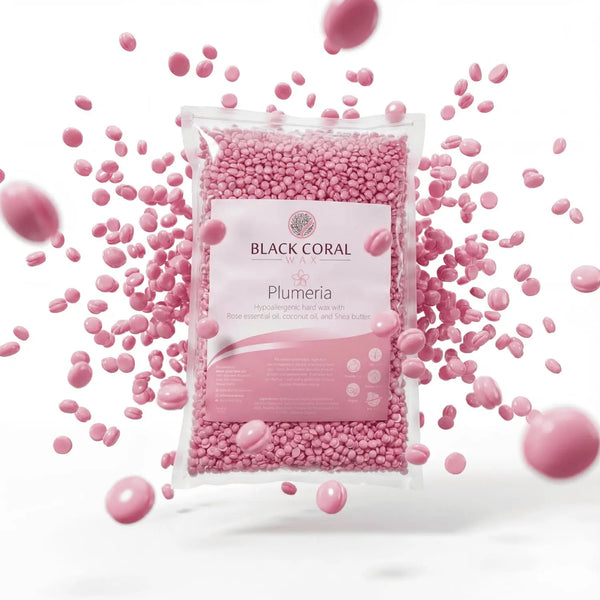
Hypoallergenic hard wax is the undisputed gold standard here, especially for the bikini area. Its magic is that it adheres mostly to the hair, not the skin. This makes a huge difference in reducing irritation, redness, and discomfort on hormonally charged skin.
Expert Tip: Stick with formulas free from artificial fragrances, dyes, or other potential irritants. A gentle, high-quality hard wax will give you the most comfortable and effective service possible, minimizing the risk of a bad reaction on delicate skin.
What Are the Key Contraindications for Prenatal Waxing?
Beyond high-risk pregnancy conditions that always require a doctor's note, there are a few absolute skin contraindications you must screen for every time. Never, under any circumstances, should you wax over:
-
Varicose veins, due to the risk of bruising or damaging them.
-
Active rashes, new moles, or any kind of open sores.
-
Areas affected by melasma or PUPPP, as waxing can worsen these conditions.
Clients with gestational diabetes also need extra caution because their healing can be slower and the risk of infection is higher. A thorough consultation and a mandatory patch test for any new client are your most important safety nets. These steps aren't just suggestions-they are critical for protecting both your client and your practice.
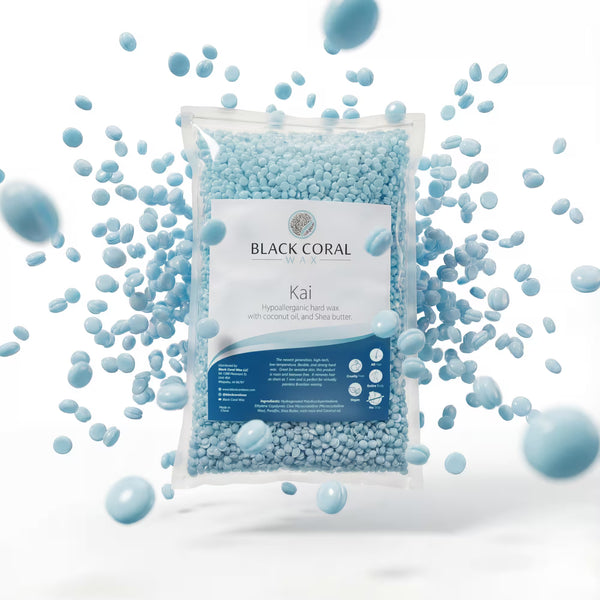
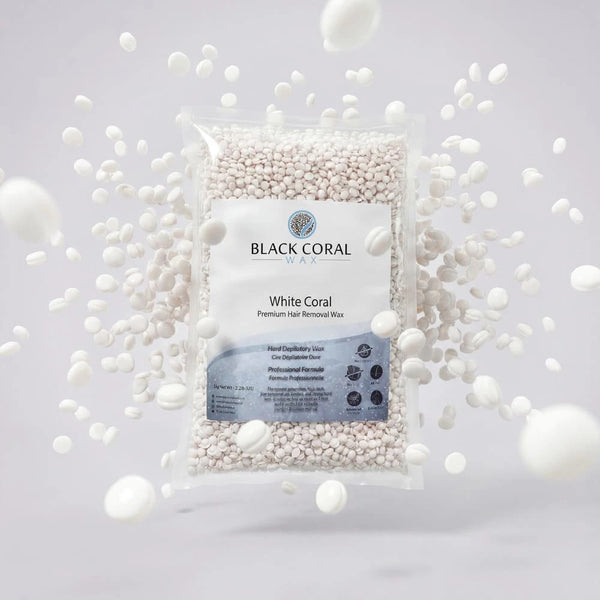
At Black Coral Wax, we believe exceptional service comes from a combination of deep knowledge and high-quality products. Equip your salon with our gentle, professional-grade waxes to give every client-especially your expectant mothers-the safe, comfortable experience they deserve.
Ready to elevate your services?