Get the Hair Length Just Right
Hair length is another one of those non-negotiable details. If the hair is too short, the wax has nothing to grip. If it's too long, the pull can feel more painful and may cause the hair to break at the surface instead of being pulled from the root.
The sweet spot is about 0.6 cm, roughly the length of a grain of rice. This provides the wax with just enough length to grip securely, ensuring a clean pull that removes the entire hair. For anyone new to waxing, focusing on this detail can dramatically improve both your results and the client's comfort.
Understand Your Wax Options
Finally, it’s time to get familiar with the two main types of professional wax. The one you choose will depend on the body area you're working on and skin sensitivity.
-
Hard Wax: This is a stripless wax that’s applied slightly thicker. It "shrink-wraps" around the hair itself, not the skin, making it a much gentler option for sensitive zones like the bikini line, underarms, and face.
-
Soft Wax: Also known as strip wax, this type is applied in a very thin layer and removed using a cloth or paper strip. It’s incredibly efficient for larger, less delicate areas like legs, arms, and back.
Understanding these foundational steps will set you up for a smooth, confident, and professional-grade waxing experience from your very first application.
Choosing Your Wax: Hard Wax vs. Soft Wax Explained
Stepping into the world of professional waxing can feel overwhelming with the variety of products available. Let’s simplify it. The first major decision you'll make is choosing between the two main types: hard wax and soft wax.
Making the right choice is a game-changer. It directly impacts client comfort, the quality of your work, and the efficiency of the service. Each wax type is designed for specific body areas, hair types, and skin sensitivities.
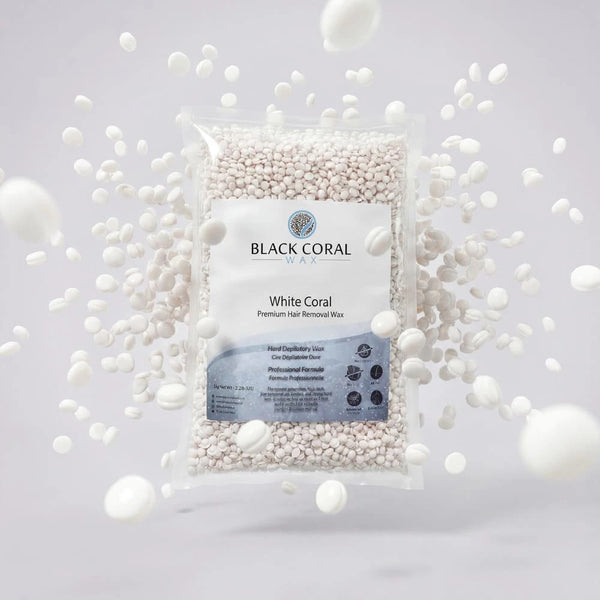
Hard wax is the modern esthetician’s tool of choice for delicate work. You’ll recognize it as it’s applied thicker, allowed to cool and "set," and then removed on its own-no cloth strip needed. This is why it is often called "stripless wax."
The magic of hard wax lies in how it functions. As it cools, it shrink-wraps around each hair, gripping it firmly while adhering minimally to the skin. This is what makes it so much gentler and more comfortable.
This gentle-yet-powerful action makes it the ideal choice for any sensitive zone. Think first-time Brazilians, detailed brow shaping, or quick underarm appointments. With hard wax, you deliver a much more comfortable experience with significantly less redness.
When to Use Hard Wax
Think of hard wax as your precision tool. It’s perfect for any area where the skin is thinner or more reactive. The best formulas even allow for reapplication over the same spot (if necessary) without compromising the skin.
-
Bikini and Brazilian: It’s ideal here. The hair is coarse, but the skin is incredibly delicate. Hard wax handles both perfectly.
-
Underarms: This area presents sensitive skin, coarse hair, and multi-directional hair growth. Hard wax is flexible enough to handle it all.
-
Face: For brows, upper lip, and chin, you need control. Hard wax provides the precision for detailed shaping without causing significant irritation.
When to Use Soft Wax
On the other hand, soft wax is the undisputed champion of speed and efficiency for large body areas. You might know it as strip wax. It's applied in a very thin, almost translucent layer and then removed with a non-woven paper or muslin strip.
Because it adheres to both the hair and the top layer of dead skin cells, it provides light exfoliation along with hair removal. This is what makes it so effective for covering a lot of ground, fast. If a client needs a full leg wax on their lunch break, soft wax is your answer.
It’s the go-to for:
The golden rule with soft wax is to never reapply it over the same area during a single service. Doing so can over-exfoliate the skin, leading to lifting, irritation, and discomfort.
Mastering both hard and soft wax techniques is essential for any professional. A common challenge for beginners is temperature control. Traditional waxes often require high heat, which can irritate many skin types.
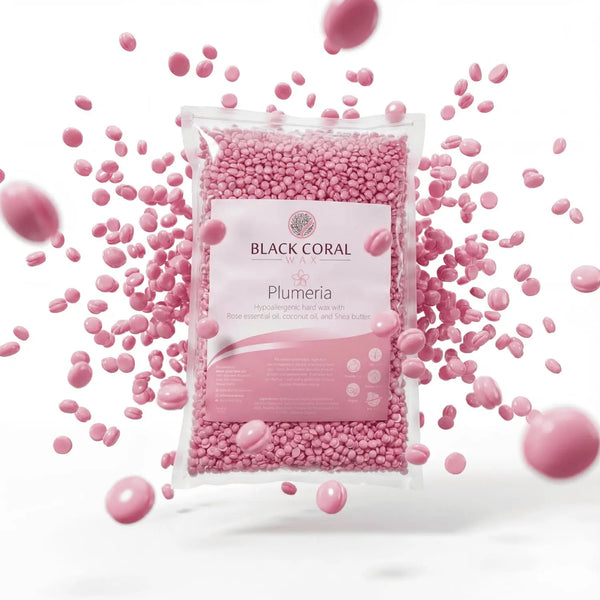
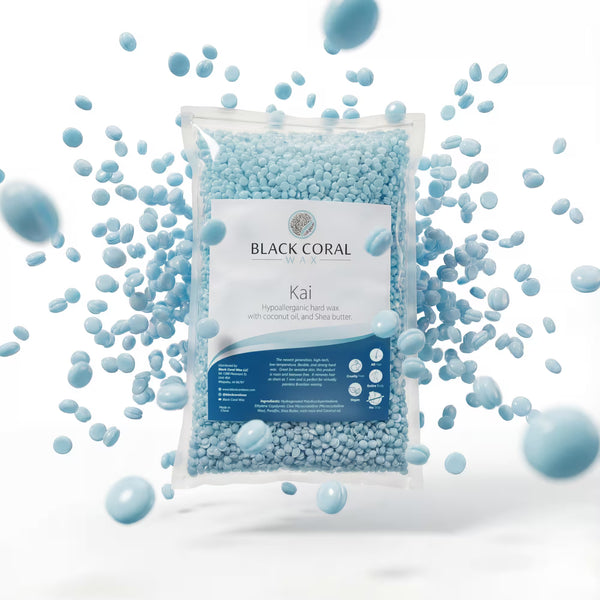
This is where low-melt-point technology makes all the difference. Formulas like Black Coral Wax are designed to perform optimally at temperatures much closer to the body's, ensuring client comfort and delivering a near-perfect pull-off success rate without hair breakage. For a more detailed breakdown, you may find it helpful to read the ultimate guide to soft wax vs hard wax.
Mastering Your Application and Removal Technique
Perfecting your application and removal is what separates a beginner from a seasoned professional. This is where the right temperature, a steady hand, and solid technique converge for a comfortable experience and exceptionally smooth results. It all begins with getting your wax to the perfect consistency.
You are looking for a texture like thick, warm honey. It should be fluid enough to glide on smoothly but not so runny that it becomes uncontrollable. Using a professional wax warmer is non-negotiable for both safety and performance. A quality warmer maintains a consistent, low temperature, which means no dangerous hot spots and ensures the wax performs exactly as designed.
The Professional Application Method
The golden rule of application is simple yet crucial: always apply the wax in the same direction that the hair is growing. This lays the hair down flat, allowing the wax to shrink-wrap around every strand right at the base.
Dip your applicator into the wax pot and scoop up a manageable amount. As you spread it, use firm, even pressure-think of it like smoothly frosting a cake. You want to ensure the wax is making complete contact with the hair.
When working with hard wax, create a slightly thicker edge, or "lip," at the end of the strip. This detail creates the perfect pull tab for a clean, easy removal.
Executing the Perfect Pull
Once the wax is applied, the removal technique determines everything. This is one of the most critical waxing tips for beginners to master, as it impacts both comfort and effectiveness.
First, use your free hand to pull the skin taut in the opposite direction of the pull. This anchors the skin, which dramatically reduces discomfort and helps prevent bruising or skin lifting.
Grasp the edge of your wax strip (or the lip you created) and pull. The most critical part of this motion is to pull parallel to the skin, not up and away from it. Pulling upwards is a common mistake that breaks the hair instead of removing it from the root, and it is significantly more painful.
Keep the pull quick, confident, and close to the body. This motion removes the hair directly from the follicle, rather than snapping it at the surface.
After-Pull Pressure
As soon as you take off the strip, put your palm firmly over the area that has just been waxed. For a few seconds, keep it there. This simple act of putting light pressure on the nerve endings does wonders to calm the skin right away.
It may seem like a small thing, but it makes a big difference in how comfortable your client is. If you learn how to do these three things-application, the parallel pull, and post-pull pressure-your waxing services will be much better, with cleaner results and a lot less pain.
Common Waxing Mistakes and How to Stay Away from Them
Even the most experienced estheticians made mistakes when they were new to the job. The good news is that you can learn from them and avoid the most common mistakes. This is your proactive guide to fixing problems before they happen.
One of the best tips for beginners is to know what not to do when waxing. By not making these common mistakes, you'll gain confidence, keep your clients safe, and get the clean, smooth results you want right away.
Errors in temperature and application
Getting the temperature of the wax and the thickness of the application right is one of the hardest things for new waxers to do. It is a delicate balance that has a direct effect on both the client's comfort and the final results.
-
Mistake 1: Using Wax That Is Too Hot or Cold Wax that is too hot is dangerous and could burn the skin. On the other hand, wax that is too cold will be thick and pull on the skin. It won't hold the hair well, which will make the service bad and frustrating.
-
Error 2: Putting on patches that are too thick or too thin If you put on too much hard wax, it will take too long to set and you will waste it. But if it's too thin, it will break into small pieces when you try to pull it. This makes it hard to take off and leaves hair behind.
Beginners often make the mistake of using wax at the wrong temperature, which can irritate the skin. This is why you must buy a high-quality warmer that keeps a steady, low temperature if you want professional results.
Important Mistakes in Technique and Hygiene
Your physical technique and hygiene are what make a professional, safe service, not just the wax pot. You must never do certain things.
A major red flag is “double-dipping.” This is when the same applicator stick is dipped back into the wax pot after it has touched a client's skin. This practice is a surefire way to introduce bacteria into your entire wax supply, creating a serious cross-contamination risk. Always use a fresh stick for every single dip.
Another frequent error is going over the same area multiple times in one session. This can easily lead to skin lifting, excessive redness, and significant irritation. If a few stubborn hairs remain, it’s much safer to tweeze them out than to reapply wax.
Similarly, forgetting to pull the skin taut during removal is a mistake that increases discomfort and the risk of bruising. Anchoring the skin with your free hand provides the tension needed for a clean, swift, and far more comfortable pull.
For a deeper dive into these and other common errors, check out our guide on the top 10 common waxing mistakes and how to avoid them.
Your Professional Post-Wax Aftercare Routine
Hair removal doesn’t stop when the last strip is pulled. In fact, what you do after the wax is just as important as the service itself for achieving beautiful, long-lasting results and maintaining skin health. Your aftercare routine should focus on soothing the skin, calming redness, and preventing frustrating ingrown hairs.
Immediately after waxing, your first priority is to calm the skin and remove any leftover wax residue. Do not use harsh soaps or alcohol-based products, as they will sting and dry out freshly treated skin. Instead, use a specialized post-wax oil.
These products are formulated specifically to dissolve any sticky wax particles while delivering calming, anti-inflammatory ingredients to the skin. Gently massage the oil into the waxed areas to leave the skin feeling clean, comfortable, and instantly soothed.
The First 24-48 Hours
The two days following a wax are a critical window for skin recovery. The hair follicles are open and vulnerable, which makes the skin more susceptible to irritation and bacteria. Following a few simple rules during this time can make all the difference.
To protect the skin, you must advise clients to avoid:
-
Hot Baths, Saunas, and Hot Tubs: Excess heat can worsen redness and inflammation. Stick to cool or lukewarm showers for a day or two.
-
Intense Exercise: Sweat can introduce bacteria into open follicles, which is a recipe for breakouts or irritation.
-
Tight Clothing: Let the skin breathe. Tight fabrics rub against the skin and trap heat, creating the perfect environment for ingrown hairs to develop.
-
Scented Lotions or Perfumes: Fragrances and chemicals can easily irritate sensitized skin. Opt for gentle, fragrance-free products.
Long-Term Care and Prevention
Once you’re past the initial 48-hour window, your focus should shift to maintenance. The two pillars of excellent long-term aftercare are gentle exfoliation and daily moisturization.
Begin exfoliating about three days after the wax and continue two to three times per week. This simple step removes the buildup of dead skin cells that can trap new hairs as they grow back-a primary cause of ingrowns.
Daily moisturizing is just as important. Keeping the skin hydrated and supple helps new hairs emerge easily without becoming trapped under the surface. A nourishing, non-comedogenic oil or lotion will keep the skin healthy and feeling soft between sessions.
By following this professional routine, you can ensure your results are not only exceptionally smooth but also free from irritation and bumps.
Your Top Waxing Questions, Answered
Getting started with waxing always brings up a few questions. This is completely normal. To help you feel prepared and confident, here are the answers to some of the most common inquiries from beginners.
How Can I Make Waxing Less Painful?
Pain is a common concern for first-timers, but it is definitely manageable. First, ensure hair is the correct length-aiming for about 0.6 cm, or the size of a grain of rice. A warm shower beforehand can also help open the pores. Just be sure your skin is completely dry before applying any wax.
The real game-changer is your technique. Always hold the skin taut with one hand while pulling the wax strip with the other. The pull needs to be fast and parallel to the skin-never up and away. Using a high-quality, low-temperature hard wax, like those from Black Coral Wax, makes a significant difference. Our formulas are designed to grip the hair, not the skin, which reduces discomfort considerably.
How Do I Prevent Ingrown Hairs After Waxing?
Proper aftercare is your best defense against ingrown hairs. Wait about 2-3 days after you wax, then begin gently exfoliating the area two or three times a week. This simple step buffs away dead skin cells that can trap new, delicate hairs under the surface.
Hydration is just as crucial. Keep your skin moisturized every day with a non-comedogenic lotion or a nourishing post-wax oil. For the first 48 hours post-wax, stick to loose, breathable clothing. Giving your skin room to breathe without friction helps it recover beautifully.
Pro Tip: The combination of consistent, gentle exfoliation and daily moisturizing is the most effective strategy to prevent bumps and ingrowns. It’s the key to making your smooth results last.
How Long Does My Hair Need to Be to Wax?
For optimal results, your hair should be around 0.6 cm (about 1/4 inch) long. This is the sweet spot. It gives the wax just enough length to get a firm grip and pull the hair out cleanly from the root.
If your hair is too short, the wax cannot grab onto it, and you'll be left with frustrating patches. Conversely, if it's much longer than 1.3 cm (1/2 inch), the pull can be more painful and may cause the hair to break instead of being removed fully. If you find the hair is on the long side, simply trim it with scissors before you begin.
At Black Coral Wax, we believe professional-grade results come from a combination of premium products and expert knowledge. Our waxes are formulated to provide both estheticians and at-home users with a less painful, more efficient, and more comfortable experience.
Ready to see what a high-performance wax can do for you? Explore our complete collection at Black Coral Wax and discover the difference for yourself.