The Plan for a Safe and Professional Waxing Business
Don't just see the client consultation as a formality. It's the first thing you need to do to make sure your service is a success. This essential tool builds trust right away, shows that you know what you're talking about, and makes sure that everything goes smoothly and comfortably. When a client sees you taking the time to learn about their specific needs, they feel seen, valued, and sure that they are in good hands.
This process is also the first thing you do to protect yourself from professional risks. It helps you find possible problems before they happen, which keeps both your client and your business safe.
How to Build Trust by Being Honest
As soon as a new client sees a detailed consultation form, they know right away that you care about their health and well-being. This process isn't just about gathering information; it's also about starting a professional relationship based on honesty and real concern. You're showing them that you are an expert doing a specific job that needs a lot of knowledge about their skin.
You can do the following with a well-designed form:
-
Find out what not to do: You can find out important information here, like whether a client has used Retin-A, Accutane, or had a chemical peel recently. All of these things could cause skin to lift or become very irritated. Read our full guide to contraindications for waxing to find out more.
-
Customize the Service: Discovering sensitivities, allergies, or previous negative waxing experiences will help you choose the right product-like a gentle hard wax over a strip wax-or adjust your application technique.
-
Manage Client Expectations: The consultation is the perfect opportunity to discuss realistic outcomes based on their hair type and growth cycle, helping to prevent misunderstandings later.
A Foundation for Personalized Care
Your consultation form is the blueprint for a service tailored specifically to your client. Do they have highly sensitive skin? You'll know to select a gentle, hypoallergenic hard wax and be extra meticulous with your skin prep. Have they struggled with ingrown hairs in the past? This is your chance to recommend an effective post-wax care routine.
The consultation is your best chance to turn a first-time customer into a loyal, repeat customer. It's where you listen, teach, and show that you are an expert who really cares about their comfort and results.
In the end, the information you collect lets you provide a service that feels personal and attentive. It turns a simple transaction into a trusted partnership, making sure that every client leaves with smooth, healthy-looking skin and the confidence to book their next appointment. This first step is very important for any esthetician who wants to give their clients a high-quality, safe experience.
Making the Best Esthetician Client Consultation Form
A good esthetician client consultation form is more than just a list of things to do. Think of it as your guide to the unique skin story of each client. Each part is a planned step toward finding the information needed to provide a safe, comfortable, and perfect service. It's not enough to just avoid problems; you also need to be able to predict needs and show that you care enough to build trust right away.
Let's look at the most important parts that turn a simple form into one of your most useful work tools.
Information about you and how to get in touch with you
This may seem like a simple thing to do, but it's the most important part of your relationship with your client. To keep track of appointments, send reminders on time, and keep up professional communication, you need to have accurate information.
Make sure you get:
-
Full Name and Date of Birth: Necessary for figuring out who your client is and making sure they are old enough to agree to services.
-
Contact Information: A phone number and email address are required for confirming appointments and other important follow-up messages.
-
Emergency Contact: This is a small but critical detail that provides a safety net in the rare event of an unexpected reaction.
Detailed Medical History
This is where your form performs its most important function. This section is your primary safety check, helping you identify potential contraindications-any condition or factor that would make a waxing service unsafe. Your questions must be direct, specific, and easy to understand. Vague inquiries can lead to errors and put both you and your client at risk.
Your medical history section must ask about:
-
Topical and Oral Medications: Be specific. Name common medications like Retin-A, Accutane (Isotretretinoin), and Differin that are known to thin the skin and increase sensitivity.
-
Allergies: Ask about known allergies to fragrances, specific ingredients, or materials like latex to prevent a reaction before it starts.
-
Skin Conditions: Inquire about conditions like eczema, psoriasis, rosacea, or even a recent sunburn that could be seriously aggravated by waxing.
-
Recent Procedures: Have they had a recent chemical peel, microdermabrasion, or laser treatment? These services can compromise the skin barrier, making it unsuitable for waxing.
Asking these direct questions isn't just about protecting your client-it's about protecting your license and your business. This diligence is what separates a true professional from an amateur.
Skincare and Waxing History
Understanding your client's past experiences and current routines is key to managing their expectations. This is where you learn what their skin tolerates, what it reacts to, and how it is likely to behave after their service with you.
This part of the form should explore:
-
Current Skincare Routine: Ask what cleansers, exfoliants (both physical scrubs and chemical acids like AHAs/BHAs), and moisturizers they use. A client who regularly uses strong exfoliants at home is at a higher risk of skin lifting.
-
Previous Waxing Experience: Was their last wax a positive experience or a negative one? Did they experience irritation, breakouts, or ingrown hairs? This insight helps you anticipate how their skin might react.
-
Sun Exposure Habits: Are they a frequent user of tanning beds or recently returned from a sunny vacation? Sun-exposed skin is sensitized skin, and you need to know this to provide proper post-wax care advice.
Exploring these details can completely change your client's outcome and comfort level. If you're looking for more ways to elevate the client experience, read our article on the 3 things clients wish you'd explain before a wax. A thorough form not only makes your client feel safer but also builds the foundation for long-term loyalty.
Understanding Consent and Legal Protections
Let's talk about the legal side of your business, because being professional and safe go hand in hand. Getting a client's informed consent is more than just getting their signature. It's important to make sure that you and the other person are on the same page. This protects everyone and builds trust in a professional relationship.
You have clearly explained the waxing service, talked about possible side effects like redness or sensitivity that may last for a short time, and set realistic expectations. A client can make an informed choice when they fully understand the process and what might happen as a result. This builds trust between you and your client and shows off your skills.
Making the language of informed consent clear
Your consent form should be clear, simple, and easy for everyone to read. Stay away from technical terms and overly legal language. The goal is to be clear, not to confuse. Your consent statement should be a brief summary of what you talked about before.
Make sure you cover these important points in simple language:
-
Details of the procedure: Describe the service in a few words, like "Brazilian wax with professional-grade hard wax."
-
Possible Reactions: Talk about common, short-term side effects like redness, small bumps, or sensitivity that last for 24 to 48 hours.
-
Client Acknowledgment: Add a line where the client says they gave you correct information about their health and skincare routine.
-
Aftercare Agreement: Add a sentence saying that the client understands how important post-wax care is for getting the best results.
This method turns a formality into a learning opportunity, showing your expertise and your dedication to your client's health.
Keeping records safe and private
The information your clients give you on their forms is private and important. It's not only good practice to handle that data carefully; it's also a legal and moral duty. You need a safe way to store and protect client records, whether you use paper files or a computer system.
For paper forms, this means a filing cabinet that is locked and can only be opened by staff who have permission. You need a secure, password-protected platform that uses data encryption if you use digital forms. It's important for estheticians to know the basics of HIPAA for clinicians, including things like incidental disclosure, because they deal with sensitive health information.
A strong data privacy policy is more than just a legal requirement. Your clients will know that you value and respect their trust when you do this. This promise to keep things private is a sign of a professional practice.
What a Liability Waiver Does
Your form needs a liability waiver, but a lot of people don't know what it's for. This document does not free you from all of your responsibilities. Instead, it shows that you told the client about the possible risks and that they agreed to the service knowing those risks.
If you write a good waiver and have a thorough consultation, you can show that you did your homework. This paperwork can be very helpful in the rare case of a disagreement. Clients with special needs, like being pregnant, need to pay even more attention to this. If you want to know more about that, read our article on what beauticians should know about waxing and being pregnant.
In the end, strong legal protections are all about being proactive and professional. You can keep your clients, your reputation, and your business safe by making sure that you get clear consent, keep data safe, and keep good records.
Using digital forms to make your salon run more smoothly
Let's be honest: in a modern salon, the old-fashioned clipboard-and-pen routine can feel old. It's not just about how things look when you switch to digital esthetician client consultation forms; it's also about making your whole business run more smoothly. Consider it a big improvement in your security, efficiency, and the professional experience you give your clients from the moment they book.
This small change can make your work much easier. You won't have to figure out messy handwriting or search through filing cabinets for a client's history anymore. It lets you focus on what you do best: giving great waxing services.
The Immediate Benefits of Going Digital
Any waxing studio that switches to a digital system will see immediate, real benefits. The check-in process gets better and more professional. Clients like that they can fill out their forms at home before their appointment. This shows that you value their time and are ready for them to arrive.
It also puts all of your client data in one place. All of your contact information, medical history, service notes, and consent forms are kept safe in one place. This makes it easy to look over their information before their next visit, giving you a full picture of their history in just a few seconds.
Switching to digital forms is a smart move that shows your brand is modern, professional, and focused on the client. It shows that you care about security, efficiency, and a smooth client journey.
This change is in line with trends in the industry as a whole. The market for digital skincare consultations is growing quickly because these tools can save time on paperwork, which means you can see more clients and make more money. You can find out more about how digital skincare platforms are growing and see the data for yourself.
Picking the Best Digital Form Solution
Not all software is the same. When choosing a platform for your salon, look for features that will help an esthetician do their job every day. The right tool should be easy to use and helpful, not hard to use.
This is what you should look for in a digital solution:
-
Templates that can be changed: It is very important to be able to customize forms for your specific services. Adding questions about recent sun exposure, active exfoliants, or medications is a must for waxing.
-
Booking System Integration: Look for a system that works well with your appointment software. When forms are sent automatically when someone books, your whole workflow runs more smoothly.
-
Secure, cloud-based storage: Make sure the platform follows privacy laws and uses encrypted storage. You're dealing with private information, so security is very important.
-
Reminders that happen automatically: Built-in reminders for filling out forms and making appointments are very helpful. They help cut down on no-shows and make sure clients are ready when they get there.
Making things better for clients and staff
A good digital system makes things better for everyone. It gives your clients a modern and private way to share their information. It cuts down on boring administrative work for your team and lowers the risk of human error. It really is an investment in a more professional and smooth operation.
This new level of efficiency gives you more time to build relationships with clients and provide great services. Think about how these digital tools fit into your overall online presence to make your salon look even more professional. Check out our guide on how to make a beautiful website for a beauty salon for ideas. You can make your salon stand out by using modern tools to make the experience more organized, safe, and impressive.
Making consultations lead to long-term client loyalty
The esthetician client consultation form is not just a safety measure. You can use it to build real, long-lasting relationships with your clients. You can get the most out of it when you stop seeing it as a formality and start seeing it as the start of a partnership. This is where a normal process becomes a high-end, tailored experience that they will remember and come back for.
The information you collect isn't just data; it's a treasure trove of chances. Each answer gives you a hint about your client's skin goals, lifestyle, and past experiences. Your ability to connect these dots is what elevates your service from good to exceptional, creating a foundation of trust that inspires true loyalty.
Using the Form to Start a Conversation
The consultation should feel more like a conversation with a guide than an interrogation. The form gives it shape, but your warmth and real interest make it come alive. Use their answers as natural starting points to learn more about what they need and show that you are really listening.
For example, if a client says they use bar soap on their face, you could take that as a chance to teach them something. You could say, "That's very common!" Many people don't know that bar soap can sometimes strip away the skin's natural moisture barrier. If you want to reduce dryness, a gentle cream cleanser might feel much better on your skin.
This method does a lot of things at the same time:
-
It Builds Rapport: You're not fixing them; you're working with them to find a better way to do things.
-
It Shows You Know What You're Talking About: You're giving them advice that is helpful and tailored to their needs.
-
It Opens Doors: This conversation can easily turn into a discussion about professional treatments and home care that will help them reach their goals.
Making Suggestions for Aftercare More Personal
The best way to suggest the right aftercare is on your consultation form. Generic advice is easy to forget because it doesn't feel like it was meant for you. But your advice becomes very helpful when you link it directly to the information they've given you.
Did the client say they had a history of ingrown hairs? This is your chance to not only suggest a product, but to also help them with their problem. Tell them why a certain exfoliating serum will help keep bumps from coming back based on their hair type and skin sensitivity. Give them clear instructions on how to use it for the best results.
By connecting their personal problems on the form to a specific solution you offer, you go from being a service provider to their trusted skincare advisor. This proactive approach shows that you were paying attention and really care about how things will turn out for them in the long run.
Clients feel seen and understood when they get this level of personalized care. It shows that their worries are real and gives them a clear plan for how to keep their results at home. This is a very important step in getting someone who only came once to come back again. Our guide on how to build client loyalty in your waxing salon has even more useful tips and tricks.
The Strength of Following Up Beforehand
The client doesn't end the relationship when they leave. Make a plan for what to do next based on the notes from your consultation. A simple, personalized email or text a day or two after their first service can make a big difference.
Instead of saying "Thanks for coming in," say something more specific. "Hi [Client Name], it was great to meet you yesterday!" I hope you love your results. I just wanted to send you a quick reminder to be gentle with exfoliation for the first 48 hours, especially since we talked about how sensitive your skin is. Please let me know if you need any help!
This small act shows that you care about your work, that you remember what you talked about, and that you want to keep the lines of communication open. These small, thoughtful actions, all of which come from a thorough consultation, create unbreakable client loyalty and turn first-time visitors into your biggest fans.
Frequently Asked Questions About Client Consultation Forms
Questions will always come up, even with the best systems. Being able to confidently handle the details of esthetician client consultation forms is an important part of being a professional. Let's go over some of the most common situations so you can deal with them calmly and carefully.
This is a short guide to keeping your waxing studio safe, professional, and running smoothly.
How Often Should I Update a Client's Form?
For any new client, a complete consultation form on their first visit is non-negotiable. For returning clients, it is best practice to have them briefly review and re-sign their information annually to ensure everything is current.
However, the most important check-in happens at the start of every single appointment. Before you begin the service, conduct a quick verbal review. This is not just a pleasantry; it's a critical safety step.
Your brief verbal check-in should include questions like:
-
"Has anything changed with your medications or skincare routine since your last visit?"
-
"Have you started using any new products containing retinol or acids?"
-
"Have you had any significant sun exposure or used a tanning bed in the last 48 hours?"
This ongoing dialogue is essential. A client's circumstances can change quickly. A new prescription or a recent weekend at the beach could introduce a serious contraindication that was not present a month ago.
What if a client doesn't want to fill out the form?
If a client refuses to fill out a consultation form, it is a major red flag that needs to be dealt with right away and in a professional way. Your answer should be calm, firm, and informative, making it clear that the requirement is for their own safety.
You can say something like, "I know that filling out forms can be boring, but this step is necessary for all of our clients' safety and to help me get the best results possible." It helps me find any possible risks and tailor the service just for you. It can also help to say that it's a standard procedure that your insurance requires for their safety.
If they still refuse after you have explained its importance, you must politely and definitively decline the service. Proceeding without a completed and signed form is a serious liability for both you and the client. It undermines your professionalism and could expose you to significant legal and financial risk.
Are Online Templates Good Enough for My Salon?
Using a generic template from the internet can be a helpful starting point, but it should never be your final version. These templates are often too broad and may miss the specific questions required for waxing services, leaving your practice vulnerable.
You must customize any template to cover:
-
Your Specific Services: Add questions relevant to the types of waxing you offer (e.g., Brazilian, facial waxing).
-
Your State Board Regulations: Ensure your form complies with all local rules for client records and consent.
-
The Products You Use: If your waxes contain specific ingredients, you may need to ask about related allergies.
A generic form is unlikely to ask about recent chemical peels, the use of topical exfoliants, or specific sun exposure-all critical factors for a safe waxing service. Once you have tailored your form, it is highly recommended to have your insurance provider or a legal professional review it. This small step helps ensure it provides the liability coverage needed to fully protect your business.
How Long Should I Keep Client Forms on File?
The required retention period for client records can vary depending on your state's regulations and your business insurance policy. However, a widely accepted industry standard is to keep client forms for a minimum of seven years after their last service.
This time frame is important for legal reasons. If you worked with clients who were minors, the retention clock usually doesn't start until they turn 18. This means that you might have to keep their records for a lot longer.
Digital forms are especially useful in this case because they make it much easier and safer to store files for a long time than paper files. Always check with your state's cosmetology board and your insurance company to make sure you know the specific rules about keeping records in your area. Following the rules is important for keeping your business and your professional reputation safe.
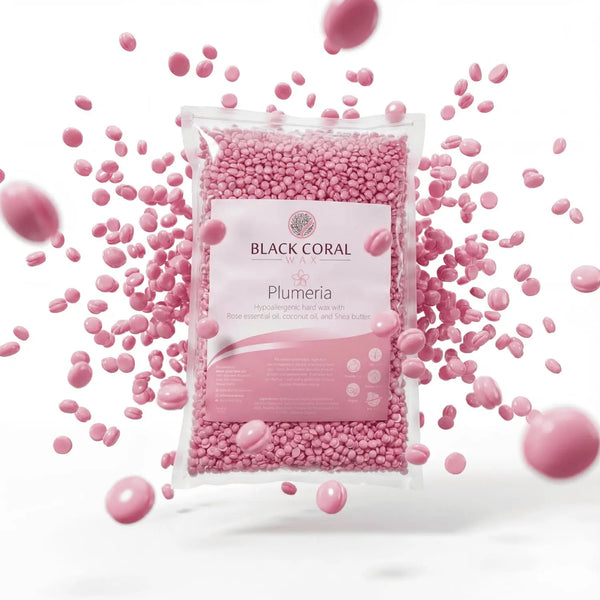
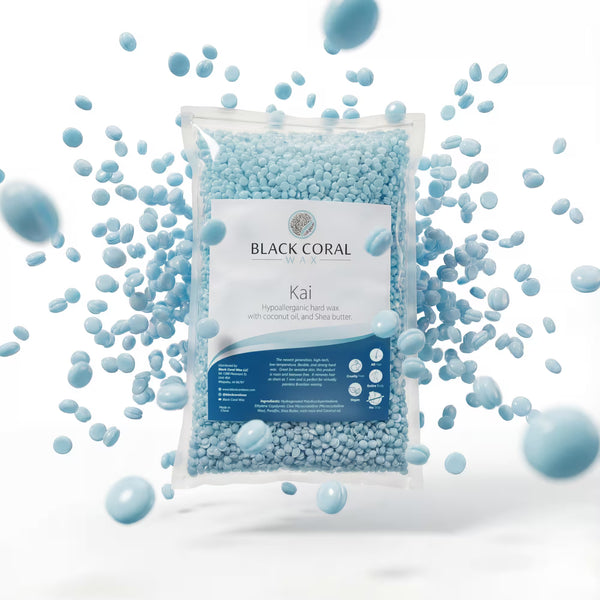
At Black Coral Wax, we believe a professional service begins long before the wax is applied. A thorough, well-managed consultation process is the true mark of an expert esthetician dedicated to safety, comfort, and outstanding results. Ensure your salon is equipped with the knowledge and tools to provide a genuinely premium experience.
Discover our professional-grade wax collections and elevate your services today.