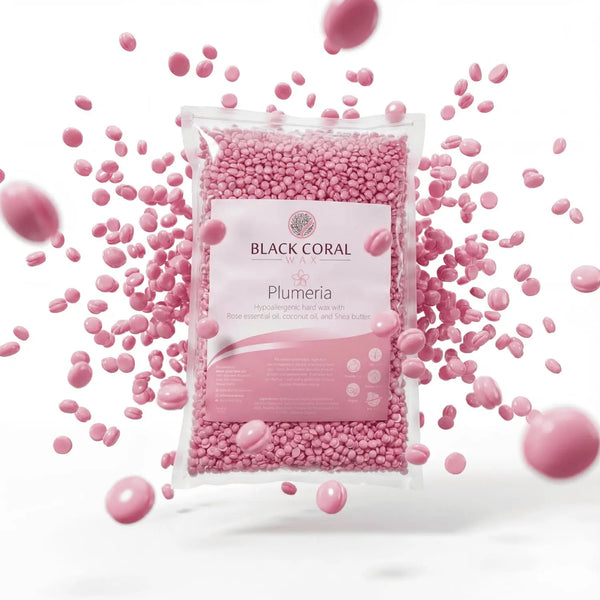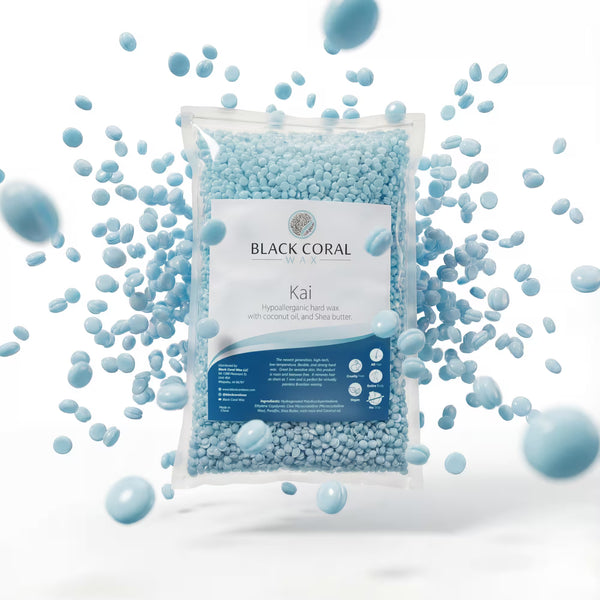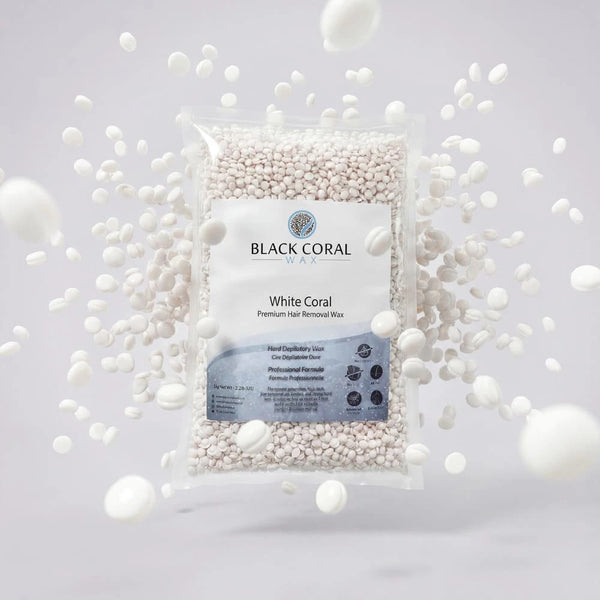


Choosing between soft and hard wax is a core decision that defines a professional service. This choice directly impacts your client's comfort, the quality of the result, and even your appointment timing. For a quick answer: soft wax is your go-to for large areas like legs and backs, while hard wax is the specialist for sensitive zones like the bikini line, face, and underarms because it grips the hair, not the skin.
Of course, true expertise lies in the details. Let's dive into the nuances of the soft wax vs. hard wax debate so you can make the perfect choice for every client, every time.
Decoding the Best Wax for Your Service
People in the beauty business are often talking about soft wax vs. hard wax. To have a complete service menu, you really need to be good at both. Knowing when to use each wax is what makes you a true waxing artist instead of just a technician.
The main difference is how they are taken off. Strip wax, sometimes called soft wax, needs a cloth or paper strip to be taken off. Hard wax, on the other hand, doesn't come off in strips. It cools and hardens on the skin, creating a removal strip on its own. This basic difference affects everything, from the body parts it works best on to the client's whole experience.
Check out our full guide on the different types of wax and their uses for a more in-depth look at all the alternatives.
Here's a quick look at the main distinctions between them.
|
Feature |
Soft Wax (Strip Wax) |
Hard Wax (Stripless Wax) |
|---|---|---|
|
Removal Method |
Requires a cloth or paper strip for removal. |
Hardens to create its own strip; no extra materials needed. |
|
Best For |
Large, less sensitive areas (legs, arms, back, chest). |
Sensitive, smaller areas (face, bikini line, underarms). |
|
Adherence |
Adheres to both the hair and the top layer of skin. |
Shrink-wraps and adheres almost exclusively to the hair. |
|
Pain Level |
Can feel more intense due to pulling on the skin. |
Generally considered less painful as it doesn't adhere to skin. |
|
Application |
Applied in a very thin, even layer. |
Applied slightly thicker, with a defined "lip" for easy removal. |
What you need to know about soft wax, the workhorse of the industry
Strip wax, also known as soft wax, is a basic product in the professional beauty industry. Estheticians rely on it because it works well and is dependable. The resin and oil in its formula make it sticky, which is great for quickly getting rid of a lot of hair.When it comes to services like full legs, arms, and backs, soft wax is the best. A skilled professional can cover a large area with just a few thin coats. This helps keep appointment times short and prices low. It has become a major player in the hair removal market because of how well it works.
How Soft Wax Works
Soft wax sticks to both hair and the top layer of skin, while hard wax just grips hair. An esthetician presses a muslin or pellon strip firmly onto the wax after spreading it thinly with a spatula. Then, in one quick motion, the strip is pushed parallel to the skin against the direction of hair growth. This removes wax, hair, and a thin layer of dead skin cells.
This provides a valuable secondary benefit: light exfoliation that leaves the skin feeling exceptionally smooth. However, because it sticks to the skin, mastering the technique is critical to prevent irritation or skin lifting. Read our detailed guide on using soft wax for hair removal to get better at it.
Pro Tip: New cream-based soft waxes are a huge help for clients with sensitive skin. They often have calming ingredients that help reduce redness and irritation. This makes them a better choice for clients who need waxing on a large area but have sensitive skin.
Market data shows that it is popular. The soft wax part of the global hair removal wax market is the biggest, with 52.8% of the market share in 2022. This is because both professionals and people who want to wax at home find it easier to use pre-made strips. If you want to get a better picture of the hair removal wax market, you can look at more trends.
The Gentle Powerhouse: How to Master Hard Wax
Hard wax, also called stripless wax, is the best choice for people with sensitive skin and thick, coarse hair. Its unique qualities make it the best choice for places where client comfort is the most important thing, completely changing the soft wax vs. hard wax dynamic for delicate services.
Unlike its counterpart, hard wax is applied thicker and requires no fabric strip for removal. As it cools and hardens on the skin, it forms its own strip. This is where the magic happens: the wax shrink-wraps around each hair, gripping the hair shaft itself-not the skin.
The secret to its gentle power is that it sticks to things that are targeted. It cuts down on skin pulling, pain, and irritation after waxing by not gripping the skin tightly. That's why it's the best choice for jobs that need both accuracy and a soft touch.
Why you need hard wax for sensitive areas
When you work on sensitive areas, you can really see the benefits of hard wax. Both estheticians and clients like the different benefits that come from its formula and how it is used.
-
Less Pain, More Comfort: Because it doesn’t stick to the skin, the removal process is significantly less painful, making it ideal for first-timers or clients with low pain tolerance.
-
Effective on Coarse Hair: Hard wax has an exceptional grip on thick, coarse hair, making it the superior choice for Brazilian, bikini, and underarm services.
-
Grabs Shorter Hairs: It can successfully remove hairs as short as a grain of rice (1/16 inch), allowing clients to book maintenance appointments sooner.
This gentle yet firm grip ensures a cleaner pull from the root, which helps reduce the likelihood of hair breakage and the formation of ingrown hairs over time.
Getting the right temperature and application is very important for any professional who wants to improve their skills. Check out our expert guide on how to use hard wax for perfect, comfortable results to find out more. For any serious esthetician, mastering hard wax isn't just a nice-to-have skill; it's a must-have.
A Professional Head-to-Head Wax Comparison
Choosing between soft and hard wax isn't just a matter of taste; you also need to think about your client's skin type, hair type, and the area where you will be working. A good service is different from a great one because a professional knows exactly how each wax works.
The greatest distinction is in application and removal. Soft wax is applied very thinly and removed with a muslin or pellon strip, offering an exfoliating effect by taking off the top layer of dead skin. In contrast, hard wax is applied thicker, shrink-wraps the hair as it cools, and is pulled off on its own, adhering only to the hair itself.
Performance On Different Hair And Skin Types
For clients with fine to medium hair across large areas like the back, arms, or legs, soft wax is incredibly effective. Its sticky texture grips even the wispiest hairs, leaving a perfectly smooth finish. However, this same quality can be too aggressive for sensitive or reactive skin because it adheres directly to the skin.
This is where hard wax shines-it is the clear winner for coarse hair and sensitive skin. Its magic lies in its ability to grip thick, stubborn hairs without pulling on the skin. This makes it the premier choice for Brazilians, underarms, and delicate facial waxing. Clients consistently report less pain with hard wax because the removal is focused entirely on the hair.
Hard wax's lower pain rating and shorter hair requirement make it a more comfortable and versatile option for the sensitive, high-frequency services your clients love.
The core takeaway for pros is simple: Soft wax offers speed for large, resilient areas, while hard wax provides gentle precision for small, delicate zones. To be a top-tier esthetician, you must master both.
Soft Wax vs. Hard Wax At a Glance
For a quick reference during a busy day, this table breaks down the essential differences to help you make the best choice for every client and service.
|
Feature |
Soft Wax (Strip Wax) |
Hard Wax (Stripless Wax) |
|---|---|---|
|
Best For |
Large areas like legs, back, and arms. Excellent on fine to medium hair. |
Sensitive areas like the bikini line, underarms, and face. Ideal for coarse hair. |
|
Application |
Applied in a very thin layer. |
Applied in a thicker layer with a defined "lip" for pulling. |
|
Removal |
Requires a cloth or pellon strip. |
Removed by lifting the edge and pulling the wax itself. No strip needed. |
|
Pain Level |
Can be more painful as it adheres to both skin and hair. |
Generally less painful as it shrink-wraps and adheres only to the hair. |
|
Skin Impact |
Exfoliates the skin, which can cause irritation on sensitive types. |
Much gentler on the skin, reducing redness and the risk of lifting. |
|
Efficiency |
Very fast for large body parts, making it cost-effective for these services. |
Can be slower due to application and setting time, but necessary for precision. |
Ultimately, having both types of wax in your professional toolkit is non-negotiable for offering customized, top-tier services.
The market data supports this. As of 2024, the soft wax segment is estimated at US$6 billion, largely due to its efficiency in salons and its popularity in at-home products. While hard wax represents a smaller market segment, its growth is steady as clients increasingly demand more comfortable options for sensitive areas. You can explore these trends in more detail by reviewing the global hair removal wax market.
For more tips on matching the right product to the service, check out our guide on how to choose the perfect wax for flawless hair removal.
Choosing the Right Wax for Every Client
Understanding the technical differences between soft and hard wax is one thing. Knowing exactly which one to choose for the client in your chair is what makes you an expert. Let’s move beyond theory and walk through a few real-world scenarios to sharpen your decision-making and ensure every service is exceptional.
The first thing you need to do is talk to the client. A few smart questions about their skin sensitivity, pain tolerance, and waxing history will help you choose the right wax and show that you are a professional, which will help you build trust from the start.
Real-World Client Situations
It depends on the situation what kind of wax is best. It's important to look at each service separately to make sure you get the best results for each client, since their skin or hair can change between appointments.
Scenario 1: Full Leg Wax on a Regular Client Your returning client has normal skin and fine-to-medium leg hair. She needs a quick, efficient service.
-
The Verdict: Soft wax is the clear winner. You can cover large areas quickly, making the service efficient for both you and your client. It’s the best choice for achieving that flawlessly smooth finish without extending the appointment time.
Scenario 2: First-Time Brazilian Wax A new client is visibly nervous about her first Brazilian. She mentions having sensitive skin and coarse, dark hair.
-
The Verdict: This is a hard wax situation, without question. Its gentle nature is key-it shrink-wraps the hair, not the skin, which is exactly what you need to minimize pain and irritation in such a delicate area. Using hard wax here will make her first experience as comfortable as possible, helping turn a nervous first-timer into a loyal regular.
Expert Insight: Don't be afraid to mix and match. Offering hybrid services is the mark of a truly skilled esthetician. It demonstrates that you prioritize both client comfort and service efficiency.
The Power of Hybrid Waxing Services
For the ultimate custom service, incorporate hybrid waxing. This simply means using both types of wax in a single appointment to play to their unique strengths.
For example, you could use efficient soft wax on a client's full legs and then switch to gentle hard wax for their bikini line. This strategy saves time while providing superior comfort where it matters most, proving you are a thoughtful, knowledgeable professional who puts your client's needs first.
Your Professional Waxing Questions Answered
We’ve covered the core differences in the soft wax vs. hard wax debate, but we know the real questions arise in the treatment room. Let's address some of the most common queries from estheticians to help you refine your technique and feel confident in your choices.
Can I Use Hard Wax on Large Areas?
Technically, you can, but it's highly impractical. Using hard wax for a full back or leg service is extremely inefficient and will negatively impact your profit margins.
Hard wax must be applied in smaller, thicker sections and requires time to set before removal. This will significantly extend your appointment time. Soft wax, on the other hand, allows you to cover large areas quickly and is the industry standard for these services for good reason. Reserve hard wax for smaller, more sensitive zones to keep your schedule on track and your business profitable.
Which Wax Is Better for Preventing Ingrown Hairs?
With proper technique, both waxes can deliver excellent results. However, when it comes to ingrown hair prevention, hard wax generally has the edge.
Because it shrink-wraps the hair and doesn't stick to the skin, it is more effective at removing the entire hair from the root without breakage. Hair snapping at or below the skin's surface is a primary cause of ingrowns, so a clean pull is essential.
That said, your technique and your client's aftercare are the most critical factors. Flawless pre-wax prep, a clean removal technique, and consistent at-home exfoliation are non-negotiable for maintaining smooth, clear skin.
To brush up on your skills, check out our guide on the top 10 common waxing mistakes and how to avoid them.
Which Wax Is More Economical for My Salon?
For large areas like legs, arms, or backs, soft wax is more economical per service. You apply a very thin layer to cover a lot of surface area, so a little product goes a long way. Hard wax generally costs more per ounce and must be applied much thicker.
But the price of the wax in the pot isn't the only thing that matters for making money. Services that use hard wax, like Brazilians or detailed facial waxing, cost more. Clients pay more for the skill and comfort that comes with it. The best way to run a business is to stock both and set your prices based on the cost of the products as well as your time and specialized knowledge.
Are you ready to improve your services? Check out our professional-grade waxes and waxing kits, or get free expert training at the Black Coral Wax Academy to reach your full potential.