

You should scrub your skin before waxing, yes. But the right timing is the key to getting a perfect finish. To get that professional-level, silky-smooth look, you need to scrub your skin lightly 24 to 48 hours before your appointment. This easy step to prepare your skin makes hair removal services more comfortable and effective, giving better results for both professionals and people who do it at home.
Why professionals should always exfoliate before waxing
Before you paint, think of pre-wax exfoliation as getting the canvas ready. The first step is what makes sure the final product is smooth, even, and looks professional. This important step in getting the skin ready makes it the best surface for a comfortable and effective hair removal session, which builds trust with clients and leads to much better results.
The main reason to exfoliate is to get rid of the dead skin cells on the surface. This buildup can get in the way and make it hard for the wax to hold onto the hair at the root. When wax sticks to dead skin instead of hair, it can break hair, leave patches, and cause irritation that isn't needed.
Why You Should Exfoliate Before Waxing
Getting the skin ready properly has a lot of important benefits that both professionals and clients will notice right away:
-
Better Wax Adhesion: The wax sticks better to the hair because it can make a strong, clean bond with it. This makes the pull much cleaner and more useful.
-
Less Pain: The process is much less painful when the wax only sticks to the hair and not the skin. This makes a big difference in how comfortable and confident clients feel.
-
Fewer Ingrown Hairs: Exfoliation frees any hairs that may be trapped just beneath the skin's surface, which drastically reduces the risk of post-wax bumps and ingrowns.
According to insights from estheticians, clients who exfoliate regularly see up to 50% fewer ingrown hairs after a wax because dead skin cells are no longer obstructing the hair follicle.
Reading about different treatments, like chemical peels, can help you learn more about professional exfoliation. It's very important to master this step, especially in sensitive areas. Our guide on how to get ready for a Brazilian wax has more information on how to get ready for certain treatments.
How exfoliation helps you get perfect results when waxing
Think of exfoliating as the same thing as priming a wall before painting. This will help you understand why you should do it before waxing. If you don't do that step, the end result will be uneven. Exfoliation is like a primer for your skin; it gets rid of the things that get in the way of a perfect pull.
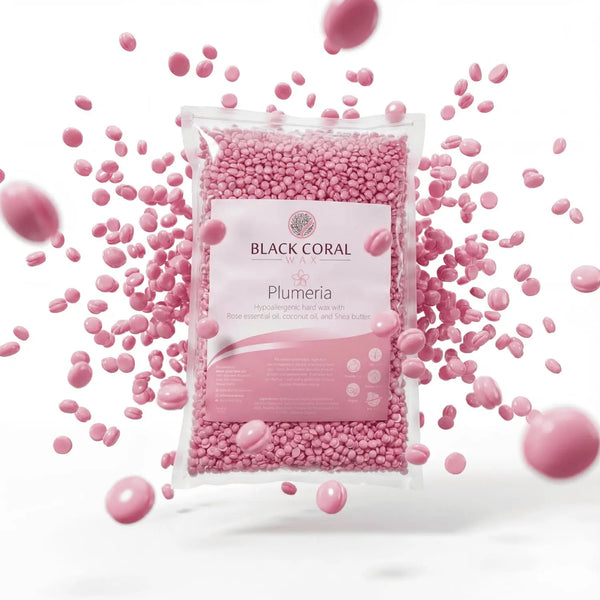
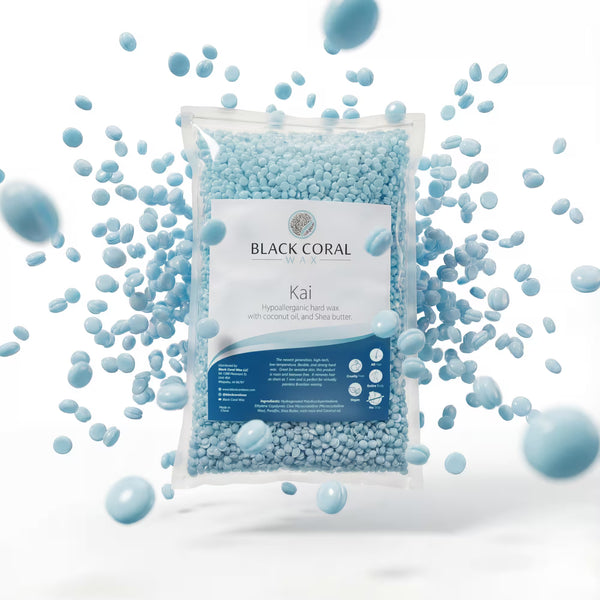
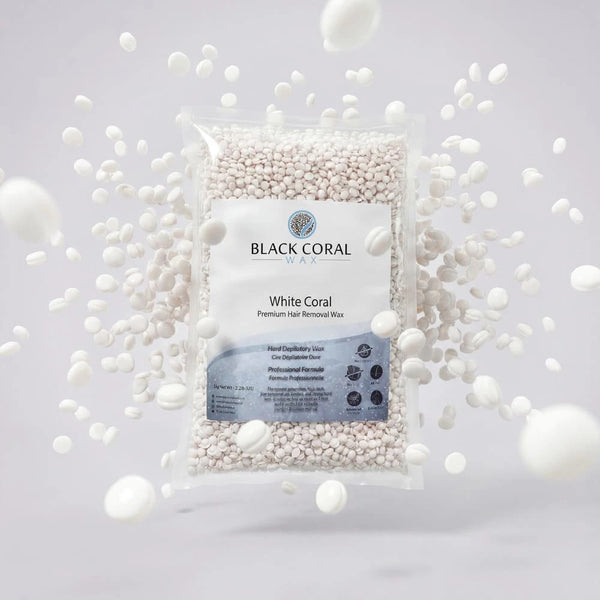
This easy step makes a big difference and makes the experience smoother, cleaner, and more comfortable. When done right, it lets high-end products like Black Coral Wax work their best, holding onto every hair for a perfect finish.
Getting rid of dead skin is a barrier.
The main reason to exfoliate is to get rid of the layer of dead skin cells that builds up on the surface all the time but you can't see it. This layer keeps the wax from getting a good grip on the hair by acting as a barrier. The wax may stick to the loose, dead skin instead.
This creates two major problems: hair can break at the surface instead of being removed from the root, and the wax pull itself is less effective. The result is patchy areas and a smooth finish that doesn't last. By clearing away this barrier, the wax can form a strong, clean bond with each hair.
Dead skin buildup is the silent saboteur of flawless waxing, but exfoliating beforehand flips the script for smoother, longer-lasting results with Black Coral Wax. Professional data reveals that exfoliation removes up to 90% of surface dead cells, creating a 'clean slate' where wax grips hair 70% more effectively, leading to closer root pulls and reduced regrowth visibility for 25-30 days versus 2-3 weeks without. Learn more about the impact of proper skin prep.
Freeing Trapped Hairs and Preventing Ingrowns
Dead skin cells don't just interfere with the wax's grip; they can also clog hair follicles. When new hairs begin to grow, they can become trapped under this layer of skin, causing them to curl back on themselves and develop into painful, unsightly ingrowns.
Exfoliation lifts that debris away, "freeing" any trapped hairs so they can stand upright. This allows the wax to grab them easily and remove them cleanly from the root, dramatically reducing the chances of post-wax bumps and irritation.
Creating a Smooth Surface for a Cleaner Pull
Finally, exfoliating creates a perfectly smooth canvas. This even surface allows for a more uniform wax application, which leads to a cleaner and more efficient pull. The strip comes off cleanly in one motion, meaning there is no need to go back over the same spot multiple times.
Less re-application means less stress on the skin. A smooth glide not only helps the wax perform better but also makes the entire process more comfortable for the client. The professional goal is always a less-is-more approach to application, and proper exfoliation makes that possible.
Your Professional Pre-Wax Exfoliation Timeline
We've established why exfoliating before waxing is essential. Now, let’s focus on the when and how. This is not a casual suggestion; precise timing is critical for preparing the skin for the best possible results.
Getting the timing wrong can make your skin more sensitive and irritated, which is the exact opposite of the intended goal.
The ideal window for exfoliation is between 24 to 48 hours before your waxing appointment. This is the golden rule. It gives your skin a full day or two to calm down and recover. While beneficial, exfoliation leaves the skin temporarily more vulnerable. Waxing immediately after a scrub is a recipe for increased redness and sensitivity.
Think of it this way: you wouldn't paint a wall immediately after applying primer. You let it dry first. That recovery window allows the skin's natural protective barrier to rebuild, making it resilient enough to handle the wax.
Choosing Your Pre-Wax Exfoliation Method
Just as important as when you exfoliate is what you use. The goal is a gentle buff, not an aggressive scrub. You are simply clearing away dead skin, not abrading it.
There are two main approaches:
-
Physical Exfoliants: These use friction to manually slough off dead skin. Examples include finely milled sugar scrubs, a soft dry brush, or a gentle exfoliating mitt. For pre-wax prep, always choose something with small, smooth particles. Avoid anything with jagged edges, like coarse salt or crushed nut shells, which can cause micro-tears.
-
Chemical Exfoliants: These often sound intense but can be gentler. They use mild acids (like AHAs) or enzymes to dissolve the bonds holding dead skin cells together. Products with lactic or glycolic acid are excellent for creating a smooth canvas and are often a better choice for sensitive areas.
Here is a quick breakdown to help you and your clients decide on the safest, most effective option.
Choosing Your Pre-Wax Exfoliation Method
|
Method |
Best For |
Pro Tip for Pre-Waxing |
|
Gentle Body Scrub |
Legs, arms, and back. Great for larger, less sensitive areas. |
Choose a scrub with fine, rounded particles like sugar, not coarse salt. Rub in gentle, circular motions. |
|
Exfoliating Mitt/Glove |
All-over body use, especially for preventing ingrowns. |
Use with a mild body wash. Don't press too hard-the texture of the glove does the work for you. |
|
Dry Brushing |
Full body (before a shower). Good for circulation and exfoliation. |
Use light, upward strokes toward the heart. Avoid sensitive areas like the face or bikini line. |
|
AHA/BHA Body Wash |
Sensitive skin or areas prone to breakouts (like the back or chest). |
Lather and let it sit on the skin for a minute before rinsing to give the acids time to work. |
|
Enzyme Peel |
Face, underarms, and bikini area. The gentlest option. |
Perfect for delicate skin. Look for products with fruit enzymes like papaya or pineapple. |
Ultimately, the best method is one that leaves the skin feeling soft and smooth, not red or raw. Always listen to your skin and choose the gentlest effective option.
Critical Pre-Wax Exfoliation Steps to Avoid
Knowing what not to do is just as important. Avoiding these common mistakes will prevent unnecessary irritation.
Professional Tip: Never exfoliate on the same day as your wax. This is the #1 mistake clients and new professionals make. It significantly increases the risk of skin lifting, intense redness, and post-wax bumps because the skin does not have adequate time to recover.
You must also pause the use of any strong active skincare products in the days leading up to your appointment. This includes:
-
Retinoids (Retin-A, Tretinoin): These accelerate cell turnover, which makes skin thinner and more fragile. Stop using them on the area to be waxed at least one week beforehand.
-
Strong Chemical Peels: Any professional-grade peels or highly concentrated acid treatments should be avoided for at least a week as well.
-
Harsh Scrubs: Aggressive scrubbing can create micro-tears in the skin, leaving it vulnerable when the wax is applied. Always be gentle.
Proper exfoliation is just one piece of the pre-wax puzzle. Ensuring hair is the right length is the other key to success. For a complete guide, review our post on the ideal hair length for the best waxing results.
How to Exfoliate for Different Body Areas
A simple rule for professionals is that not all skin is the same, so your pre-wax exfoliation shouldn't be either. An esthetician would not use the same wax on a delicate bikini line as on the legs, and skin prep deserves the same tailored care.
Customizing your approach is key, as the skin's thickness and sensitivity change dramatically from one area to another. What works for the legs could be too harsh for the sensitive skin under the arms.
Delicate Areas: Bikini Line and Underarms
The skin around the bikini line and underarms is thin, sensitive, and often exposed to friction and moisture. For this reason, aggressive physical scrubs are not recommended. The approach should be as gentle as possible to avoid irritation.
-
Gentle Chemical Exfoliants: A wash or toner with a low concentration of lactic acid (an AHA) is ideal. It gently dissolves dead skin cells without harsh scrubbing, which is excellent for preventing ingrown hairs in this region.
-
Ultra-Fine Physical Scrubs: If a physical scrub is preferred, ensure it has fine, perfectly round particles, like sugar or jojoba beads. Use fingertips and the lightest pressure in soft, circular motions.
Professional Tip: Always patch-test a new exfoliant on a small, discreet patch of skin at least 48 hours before using it all over. This is especially important for the bikini line.
Large Areas: Legs, Arms, and Back
The skin on the legs, arms, and back is thicker and more resilient, so it can handle a more thorough exfoliation. Proper preparation in these areas ensures the wax can grip hair cleanly, making the service quicker and more effective.
-
Dry Brushing: This is a fantastic method. Before showering, use a natural bristle brush on dry skin, sweeping in long strokes toward the heart. It’s excellent for removing dead skin and boosting circulation.
-
Body Scrubs: A quality sugar or fine-grain sea salt scrub can be used more generously here. Pay extra attention to spots like knees and elbows where skin tends to be drier and thicker.
-
Exfoliating Mitts: A textured glove or mitt is a great tool to use with your favorite body wash. It provides consistent, controlled exfoliation over large areas with minimal effort.
Facial Areas: Eyebrows, Lip, and Chin
Facial skin is the most delicate and requires a highly specialized touch. Never use a body scrub on your face.
Instead, use products formulated specifically for facial skin. A gentle enzyme cleanser or a pad soaked in a mild AHA solution is ideal for prepping the brow, lip, or chin area. This light chemical exfoliation clears the way for a precise wax without compromising the skin's protective barrier. Always follow up with a calming, non-comedogenic moisturizer.
Creating a Complete Pre and Post-Wax Care Routine
A successful wax is not just about the appointment itself. It is a full cycle of care that keeps skin healthy and smooth long after the service. Understanding how pre-wax exfoliation fits into this larger picture is what elevates results from good to exceptional.
A professional workflow always starts with a clean slate. First, the skin is cleansed to remove any oils or residue. Then, a light pre-wax oil is often applied to create a protective barrier, ensuring the wax adheres to the hair and not the skin. After the service, the focus shifts to calming and protecting the fresh, vulnerable skin.
The Post-Wax Transition
Post-wax care is critical for preventing bumps and irritation. For the first 24 to 48 hours, the skin is extra sensitive. The primary goal is to be gentle and allow it to breathe. This means avoiding heavy lotions, fragranced products, or anything that could clog open pores. It is also best to avoid friction from tight clothes, intense workouts, or hot showers.
This is where a high-quality post-care product, like a soothing oil or a calming gel, is invaluable. These products are designed to reduce redness, cool inflammation, and help the skin return to its normal state, leaving it feeling comfortable.
When to Resume Exfoliation
It is important not to resume exfoliation immediately. The skin needs a break. Wait at least 48 to 72 hours after your wax before reintroducing a scrub or chemical exfoliant. This gives the hair follicles time to close and any sensitivity to subside completely.
Once that time has passed, incorporating gentle exfoliation back into your routine two to three times a week is key. This is the secret to preventing ingrown hairs before they start. As new hair grows, regular exfoliation keeps dead skin from trapping it beneath the surface, ensuring everything remains smooth until the next appointment. To learn more, see our guide on how to exfoliate after waxing for softer, bump-free skin.
A Pro’s Perspective: View waxing as a complete process with a beginning, middle, and end. You prepare, treat, soothe, and maintain. Pre-wax prep is the first chapter, but consistent post-wax care is what guarantees that happy, smooth-skin ending.
Your Blueprint for a Perfect Wax Every Time
So, what is the key element that separates a decent wax from a flawless one? It comes down to knowing exactly when to exfoliate before waxing. This single step is the foundation of a truly professional result.
This is your game plan. We covered the 'when' (a firm 24-48 hours before your appointment), the 'how' (using gentle methods suited to your skin type), and the 'why' (smoother skin, less discomfort, and fewer ingrown hairs).
Mastering pre-wax exfoliation is like preparing a canvas before painting. When your skin is properly prepped, premium products like Black Coral Wax can perform at their best. The wax adheres only to the hair-not your skin-resulting in a clean, efficient, and much more comfortable pull.
Whether you are an esthetician refining your technique or a client seeking a salon-perfect finish at home, this disciplined approach makes all the difference. It is how you minimize irritation, extend the life of your smooth skin, and ensure a comfortable service every time.
As you perfect your routine, it's always wise to be aware of other factors that can impact a waxing session. You can learn more by reviewing the top 10 common waxing mistakes and how to avoid them in our guide.
Frequently Asked Questions About Pre-Wax Exfoliation
Even with a solid pre-wax routine, a few questions can arise. Addressing these common concerns helps everyone-from seasoned professionals to first-time at-home users-feel confident in their skincare choices. Let's clarify some of the most frequent questions about exfoliating before a wax.
Can I Exfoliate on the Same Day as My Waxing?
No. Professionals strongly advise against this for good reason. If you exfoliate right before you wax, your skin may become too sensitive and raw. It takes off the top layer of protection right when you need it the most, which makes it more likely that your skin will become irritated, turn red, or even lift during the appointment.
Give your skin 24 to 48 hours to heal between waxing and exfoliating. This timing is very important because it lets the skin calm down and rebuild its defenses so that it can handle the wax.
What Happens If I Don't Exfoliate Before Waxing?
It might seem like skipping this step won't hurt, but it can hurt your results. If you don't exfoliate, a layer of dead skin cells stays on the surface. This buildup can make it harder for the wax to get a good grip on the hair.
This often causes a few annoying issues:
-
Hair Breakage: The wax might stick to the dead skin instead of the hair. When this happens, hairs can break off at the surface instead of being pulled out from the root.
-
Results that aren't even: You might still have stubble if the wax can't grab all the hairs. Your esthetician may have to wax the same area more than once, which can make it more painful.
-
More Ingrown Hairs: Clogged hair follicles are mostly caused by dead skin. This traps new, softer hairs under the skin, which causes the painful bumps that we all want to avoid. Check out our full guide on how to avoid ingrown hairs after waxing for more tips.
Is It Possible to Over-Exfoliate Before a Wax?
Absolutely. Over-exfoliation is a common mistake. Exfoliating too aggressively can damage the skin's natural moisture barrier, leaving it dry, irritated, and overly sensitive. Telltale signs include redness, a tight or shiny appearance, or a stinging sensation.
To stay on the safe side, always choose a gentle exfoliant and use light pressure. The goal is to softly buff away dead cells, not to aggressively scrub the skin. Pay attention to how your skin feels-if it’s at all sensitive, take a break.
Which Type of Exfoliant Is Best for Sensitive Skin?
If your skin is easily irritated, gentleness is non-negotiable. Sometimes, a soft washcloth and a mild cleanser can provide sufficient physical exfoliation without causing a reaction.
If you prefer a specific product, look for a scrub with fine, smooth, round particles that won't scratch the skin. Another excellent option is a mild chemical exfoliant with lactic acid, which is one of the gentler alpha-hydroxy acids (AHAs). Regardless of your choice, always perform a small patch test first to see how your skin reacts.
At Black Coral Wax, we understand that a flawless finish starts with flawless preparation. A smart, well-timed pre-wax routine is the secret to a more comfortable service and incredibly smooth skin.
Explore our full range of professional-grade waxes and pre- and post-care products at Black Coral Wax to perfect every step of your waxing ritual.