

Want to get rid of the razor and have smooth skin for weeks? This guide will show you step-by-step how to wax your legs like a pro, whether you're an experienced esthetician or just someone who loves beauty at home. Stop taking general advice and understand the exact methods that professionals use to do it right every time.
Why Waxing is a Superior Choice for Leg Hair Removal
Learning how to wax your legs is more than a beauty routine-it’s a commitment to healthier skin and smoothness that lasts. Shaving merely cuts hair at the surface, which is why prickly stubble reappears in a day or two.
Waxing is a distinct thing. It takes off the hair from the root, leaving you with perfect, touchable skin for weeks. This technique can even make hair grow back finer and sparser over time, which makes each wax easier and more comfortable. Understanding these benefits is the first step for both beauty fans and professional estheticians to understand why waxing is still the best way to remove hair that lasts.
The Long-Term Benefits of Waxing Your Legs
Choosing to wax your legs offers significant advantages for achieving beautifully smooth skin:
- Extended Smoothness: Enjoy weeks, not days, of hair-free skin because the hair is removed directly from the follicle.
- Finer Regrowth: With consistent waxing, hair is encouraged to grow back softer and less dense over time.
- Skin Exfoliation: The process itself lifts away dead skin cells from the surface, revealing a brighter, more radiant complexion underneath.
Think of this guide as your personal masterclass for achieving hair-free legs that last, all while using trusted, high-quality products. And while we're focused on helping you get smooth at home, for those times you want an expert to take over, you can always explore professional waxing services.
The preference for waxing is growing worldwide. In fact, the hair removal wax market was valued at US$10.19 billion in 2023 and is projected to hit about US$18.4 billion by 2033. This growth is driven by its dual benefits of both hair removal and skin exfoliation.
Pre-Wax Prep for a Flawless Foundation
The secret to a fantastic leg wax begins long before the wax is even warm. Proper preparation is the groundwork that separates an okay result from an incredible one. It makes the entire process smoother and more comfortable, whether you're a seasoned esthetician or waxing at home.
Before you paint, think of it as getting the canvas ready. Even the greatest wax can't work at its best without these important procedures. This is how you get ready for that perfect, long-lasting smoothness.
Get Your Hair Length Just Right
One of the most critical factors for a successful leg wax is getting the hair length spot-on. For the wax to properly grip each hair and remove it from the root, it needs to be about ¼ of an inch long-roughly the size of a grain of rice. This usually means letting your hair grow out for two to four weeks after your last shave.
So, what happens if your hair isn't the perfect length?
- If it’s too short: The wax won't have enough to grab onto. You'll end up with missed hairs and a patchy, frustrating finish. It’s always better to wait a little longer than to attempt a wax that won't deliver the results you want.
- If it’s too long: Hair longer than ½ an inch can make the process more painful and may cause the hair to break at the surface instead of being pulled cleanly from the root. Simply grab a pair of safety scissors or an electric trimmer to carefully trim the hair down to the ideal length before you begin.
For a deeper dive into this crucial step, check out our guide on what the ideal hair length is for the best results. Getting this part right is a total game-changer.
Exfoliate for a Cleaner Canvas
If you want to learn how to wax your legs like a pro, you have to exfoliate. Using a scrub or mitt to gently clean your skin 24 to 48 hours before your waxing appointment is a great idea. This easy step gets rid of dead skin cells that can clog pores and trap hair.
By removing this top layer, you let the wax stick to the hair instead of your skin, which makes it far less painful. More importantly, it lifts up any hairs that are lying flat, making them simpler for the wax to grip and keeping ingrown hairs from showing up later.
Tip from an expert: Don't exfoliate on the same day as your wax. This can make your skin too sensitive and more likely to get irritated. Giving your skin a day or two to heal is important for a comfortable and useful session.
Begin with skin that is clean and dry.
The last step before your wax is easy but very important: make sure your skin is fully clean and dry. This involves using a mild soap to wash your legs to get rid of any dirt, oil, or bacteria that might still be there.
Make sure your legs are thoroughly dry after you wash them. Do not put any lotions, oils, or deodorants on the area you want to wax. These creams keep the wax from sticking to your hair by making a barrier between your skin and the wax. A clean, dry surface makes sure that you obtain the best adhesion, which makes it easier to remove.
Your Pre-Waxing Checklist for Smooth Legs
Use this quick reference table to ensure your skin is perfectly prepped for every waxing session, summarizing the essential steps and their timing.
| Action | When to Do It | Why It Matters | Recommended Product |
|---|---|---|---|
| Grow Hair Out | 2-4 weeks post-shaving | Ensures hair is long enough (¼ inch) for the wax to grip effectively. | N/A |
| Exfoliate Gently | 24-48 hours before | Removes dead skin cells, prevents ingrown hairs, and lifts flat hairs. | A gentle body scrub or exfoliating mitt. |
| Trim Long Hair | Just before waxing | Prevents extra pain and hair breakage if hair is longer than ½ inch. | Safety scissors or an electric trimmer. |
| Cleanse Skin | Day of waxing | Removes oils, sweat, and lotions that can block the wax from adhering. | A gentle, fragrance-free soap. |
| Dry Thoroughly | Right before application | Ensures maximum wax adhesion for a clean, efficient pull. | A clean, dry towel. |
If you follow this basic method, your results will be much better, and you'll get the smooth finish you want.
Picking Your Wax and Getting the Hang of the Method
Okay, your skin is ready. Now it's time for the major event. A good job and a salon-quality finish are two very different things. The appropriate wax and the right way to apply it is what make the difference. This is where you learn how to wax your legs like a pro.
Hard wax and soft wax are the two most important types of wax for legs. Soft wax works well on big, flat surfaces, although many pros and amateurs think hard wax is better for legs.
What Makes Hard Wax So Great
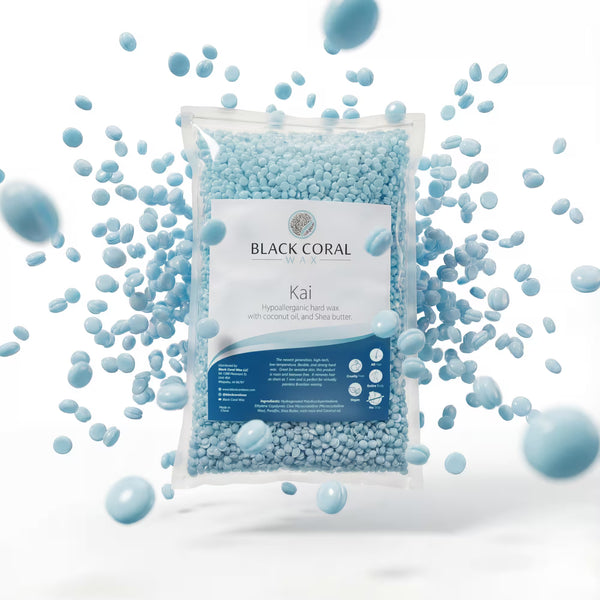
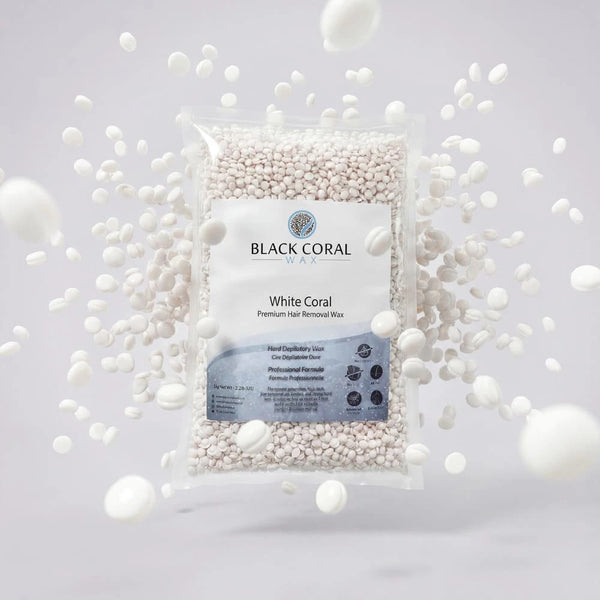
Hard wax is amazing. It is made to "shrink-wrap" around the hair instead of clinging to your skin. This makes the whole procedure easier and less annoying, which is a big gain for both clients and people who do it from home. You don't need fabric strips, so you can put it on and take it off however you want.
Expert Opinion: Hard wax is a popular among professionals since it grips short, resistant hairs well and is gentler on the skin. It's great for people who are new to waxing or have sensitive skin.
First, you need to heat the wax until it is the correct consistency. Try to get a texture like that of thick honey or molasses. It should be warm and simple to spread, but it should never be too hot or runny. Before putting it on your legs, always test a small area on the inside of your wrist to make sure the temperature is comfortable.
The Art of Application
You can start after your wax is at the right temperature, which is like honey. To keep control, the trick is to work in small, manageable areas that are approximately the size of your palm.
- Apply with the grain: Use a wooden applicator to pick up a lot of wax. Put it on your skin in a smooth, even layer, following the direction your hair grows (downward on the legs).
- Make a "lip" by making the edge of the strip a little thicker at the end. This makes a little "lip" that you can use to pull it off.
This illustrates a great application; a smooth, equal layer is important for a clean pull.
A strong, even layer of wax makes sure that every hair is covered so that it may be removed completely without leaving any behind.
Mastering the Removal Technique
After about a minute, the wax will set. It should feel firm and non-tacky to the touch. Now for the satisfying part-the removal. This step requires quick, confident action.
Hold the skin taut just below the wax strip with one hand. With your other hand, grip the lip you created and pull the strip off in one swift motion. The secret is to pull parallel to the skin, not straight up. And always pull in the opposite direction of hair growth. Pulling upward will only break the hairs instead of removing them from the root.
Leg waxing is popular for a reason. It’s the largest segment of the hair removal wax market, largely because regular waxing encourages hair to grow back slower and thinner.
It's okay if you miss a few stray hairs the first time; this is usual. Don't wax the same area again right away, as this can create irritation. You can use tweezers to get rid of any residues or wait until your next session.
For a more in-depth look at the distinctions between soft and hard wax, read our ultimate guide to soft wax vs hard wax.
Post-Wax Care for Soothing and Maintaining Skin
What you do after waxing is just as critical as the waxing process itself. Many people think the job is done once the last strip is pulled, but proper aftercare is what locks in that smooth finish and keeps skin happy and healthy.
Your skin is now sensitive with open pores. Your goal for the next 24-48 hours is to soothe, protect, and calm the area. Getting this right is the secret to avoiding irritation and making your smooth skin last as long as possible.
Immediate Aftercare Steps
The first thing to reach for is a high-quality post-wax oil. This is a non-negotiable step. The oil instantly dissolves any sticky wax residue that water alone cannot remove.
More importantly, a quality post-wax oil will immediately calm the skin, reduce redness, and begin the healing process. This one simple step makes a huge difference in how your skin looks and feels right after your service.
Expert Tip: After applying post-wax oil, keep your hands off! The oils and bacteria on your fingertips can easily block open pores, which can cause breakouts or irritation. Let the skin breathe and heal in peace.
The Rule of 24 to 48 Hours
Be especially careful with your freshly waxed legs for the next day or two. While your hair follicles are closing, you should stay away from anything that causes heat, friction, or bacteria.
Here is a short list of things to stay away from:
- Hot showers and baths: Heat might make sensitivity worse. Use water that is lukewarm or chilly.
- Tight clothes: Give your skin some air. Cotton and other loose, soft textiles are your best friends. Friction from skinny jeans or leggings is a big no-no.
- Heavy Workouts: Sweat can transfer germs into open pores. Don't go to the gym today.
- Sun Exposure: Skin that has just been waxed is more likely to get sunburned and dark spots. If you have to be outside, stay in the shade or wear a broad-spectrum sunscreen that isn't too strong.
Long-Term Maintenance for Lasting Smoothness
Once you’re past the initial 48-hour window, it’s time to shift into a simple maintenance routine. This will keep your legs looking flawless until your next session and is the best defense against ingrown hairs.
Start gently exfoliating two to three times a week a few days following your wax. This gets rid of the dead skin cells that can inhibit new, finer hairs from growing back. Moisturizing every day is important, along with exfoliating. If you keep your skin moist and supple, it's much easier for hair to grow through it without getting trapped.
Check out our article on after-waxing care products that the pros swear by for more information on products that really work.
How to Fix Common Problems with Leg Waxing
You could still run into problems when learning how to wax your legs, even if you do everything right. If you're waxing at home or are a rookie esthetician, this is very normal. If you know how to deal with these typical problems, you'll always get a smooth, professional finish.
Think of fixing problems as a way to improve your skills. Every problem, whether it's a stray hair or transient redness, is a chance to improve your technique and learn what your skin needs.
How to Handle Missed Hairs
It's normal to find a few stray hairs left over, especially around hard-to-reach places like the knees or ankles. You might want to put extra wax on right away, but don't do that to the same location again. This can cause the skin to become irritated or lifted too much.
Instead, here are two safer choices:
- Tweezing: A clean pair of tweezers is the greatest instrument for getting rid of a few stray hairs. It is exact and won't bother the skin around it.
- A Little Touch-Up: If you missed a small patch of hair, you can put a tiny bit of hard wax on it. Don't touch the skin that has just been waxed.
Preventing Skin Lifting and Bruising
Bruising or skin lifting is almost always a sign of improper technique. The key to avoiding this comes down to two simple actions: holding the skin taut and pulling correctly. Before you pull the wax strip, use your free hand to anchor the skin firmly just below the strip.
When you pull, it must be a quick, fluid motion that stays parallel to the leg-not upward and away from it. Pulling up can cause the skin to lift and may lead to bruising, especially on delicate areas like the inner thighs.
Pro Tip: Imagine you're trying to slide a piece of paper out from under a book. You’d pull it flat along the table, not up toward the ceiling. Apply that same parallel motion when removing wax for a clean, safe pull every time.
Dealing with Redness and Irritation
It's usual to have a little redness and perhaps little pimples shortly after waxing. It's just the follicles reacting to the hair being pulled out from the root. This normally goes away in a few hours to a day.
Look for post-wax care products that have calming ingredients like chamomile, aloe vera, or azulene to help your skin settle down faster. A cool compress can also help right away by lowering inflammation.
This reaction will go away on its own, unlike folliculitis, which is a more serious problem. You may learn more about folliculitis after waxing and how to treat it effectively in our in-depth tutorial. This will help you understand post-wax pimples better. If you learn how to do these basic improvements, your leg waxing will go from good to perfect.
Your Leg Waxing Questions Answered
Even with the best guide, it's normal to have a few questions. Let's tackle some of the most common ones, whether you're preparing for your first at-home leg wax or you're an esthetician helping a client feel more comfortable.
How Painful Is It to Wax Your Legs for the First Time?
Your first time is typically the most intense. You are, after all, removing a lifetime of hair growth from the root. The sensation is a quick, sharp sting that fades almost immediately.
This is where a quality hard wax makes a world of difference. It adheres to the hair, not the skin, which significantly reduces the discomfort. The best news? It gets so much easier. With each session, hair grows back finer and weaker, making every subsequent wax less painful.
How Often Should I Wax My Legs?
The ideal frequency for most people is every 3 to 6 weeks. This allows your hair enough time to grow to the perfect ¼-inch length for the wax to get a solid grip.
Staying on a regular schedule is the secret. It helps get all your hair on the same growth cycle, leading to that super smooth, long-lasting finish. Resist the urge to shave between appointments, as it disrupts the cycle and can make your next wax feel like the first time all over again. For a deeper dive into common slip-ups, check out our guide on the top 10 common waxing mistakes.
Expert Takeaway: Consistency is key. Regular waxing not only maintains smoothness but also trains the hair to grow back weaker, making each subsequent session easier and more comfortable than the last.
Can I Wax Over Varicose Veins or Moles?
Absolutely not. You should never apply wax directly over varicose veins, moles, warts, or any broken or irritated skin. These areas are extra sensitive, and the combination of heat and pulling can easily cause bruising, skin damage, or serious irritation.
The professional approach is to work carefully around these spots, leaving a safe border. If you or a client has any skin conditions you're unsure about, the safest course of action is always to consult a dermatologist before waxing.
What Is the Best Way to Clean Up Spilled Wax?
It happens! If you spill hard wax, let it cool down completely. Once solid, you can usually peel it right off non-porous surfaces like a tile floor or wax warmer. For any stubborn bits left behind, a little post-wax oil will dissolve them easily.
For soft wax spills, you will need an oil-based remover. Soft wax is designed to be sticky, so oil is essential to break it down and clean the area effectively.
Mastering how to wax your legs is an empowering skill that delivers incredible, long-lasting results. With the right technique and professional-grade products, you can achieve that flawless, salon-quality finish every time.
Ready to elevate your waxing game? Shop our complete collection of waxing products today! or explore our free training at the Black Coral Academy.