Why Professionals Are Moving to Low Melt Formulations
The move toward low melt waxes is not just a trend; it's a big step forward for the hair removal business. It directly addresses one of the most common client concerns: the pain of wax that is too hot. When you use a wax that feels pleasantly warm instead of shockingly hot, you instantly turn a necessary appointment into a professional, spa-like treatment.
The benefits go beyond just the temperature. Because it melts at a lower temperature, the wax has a unique, creamy, and flexible texture. This lets it wrap around each hair without sticking too tightly to the skin. That is the secret to a less painful removal and what makes modern formulas different. As a professional, this means getting a cleaner wax with fewer passes and leaving skin that is calm and less irritated.
The Professional Edge
Using a high-quality low melt wax has a number of important benefits that your clients will notice and your business will benefit from.
-
Better safety for clients: The biggest benefit is that the risk of burns goes down. This is not up for discussion, especially when working on sensitive areas like the face, underarms, or bikini line, where skin is thinner and more sensitive.
-
Better Comfort: Clients notice the difference right away. A pleasantly warm application helps them relax, makes them trust your skills more, and sets a good mood for the whole appointment.
-
Better Efficiency: These waxes melt and set on the skin faster, which helps you get your work done more quickly. You can get through services faster without rushing or lowering quality, which is a big plus on a busy day.
-
Better for Hair, Not Skin: The flexible formula is made to hold on to even the tiniest, shortest hairs while coming off the skin easily. The end result is a smoother finish with a lot less redness and irritation after waxing.
A modern low melting point wax isn't just a product; it's also a way to keep customers. You give your clients a premium experience that makes your studio stand out and keeps them coming back by putting comfort and safety first.
The whole industry is moving to these new formulas. Low-melt waxes are now the norm, especially for estheticians who work with people with sensitive skin. In 2023, North America had the biggest market share at 34%. Professionals said that clients felt 20–30% less pain than with regular high-heat waxes.
These results are exactly what Black Coral Wax's formulation philosophy is based on: making waxes that set quickly and have a flexible pull to make the process less painful. Our full guide to wax types and their uses shows you how different formulas stack up against each other.
Low Melt Wax vs. Traditional Wax at a Glance
To see the difference clearly, here’s a quick comparison highlighting why so many estheticians have made the switch to modern formulations.
|
Feature
|
Low Melting Point Wax (e.g., Black Coral)
|
Traditional High-Melt Wax
|
|
Melting Temperature
|
48°C - 60°C (120°F - 140°F)
|
Often 65°C+ (150°F+)
|
|
Client Comfort & Safety
|
High; warm and gentle on the skin
|
Lower; high heat can cause discomfort and burns
|
|
Application & Texture
|
Creamy, pliable, wraps around hair
|
Can be thicker, less flexible, sticks to skin
|
|
Best For
|
All skin types, especially sensitive
|
Primarily for less sensitive, resilient skin
|
|
Risk of Irritation
|
Low
|
Moderate to high
|
|
Efficiency for Pros
|
Melts and sets quickly, speeds up service
|
Slower to melt, may require longer set times
|
As you can see, a low melt wax has many benefits, including making your clients safer and more comfortable and making you more efficient in the treatment room. It's just a more modern and smart way to get professional waxing.
How the temperature of the wax affects everything for your client
The temperature of your wax is more than just a number on the warmer. It's the first thing your client feels, and it sets the mood for the whole appointment. The skin goes into defense mode right away when wax is too hot. Blood rushes to the surface, which makes the skin red and swollen, which estheticians work hard to stop.
This shock to the skin can be avoided by using wax that melts at a low temperature. Think of it as working with the skin instead of against it. When the wax is warm enough to be comfortable, it helps to calm the skin and relax the hair follicles, which lets them open up a little bit. The key to hair removal that is much easier and less painful is to stay calm and relaxed.
This is very important when waxing places that are sensitive. The skin on the face, underarms, and bikini line is thinner and more sensitive, so it can get irritated by high heat. The wax can do its job better at a lower temperature without putting too much stress on these sensitive areas.
The Science Behind a Smoother Pull
A good wax should be able to hold hair tightly without sticking to skin too much. This is where a wax with a low melting point really shines. As it cools, its unique, flexible texture lets it wrap around each hair.
This makes a strong anchor on the hair itself, which is important for a clean pull right from the root. The wax is made to harden without breaking, so it stays soft and comes off the skin easily when you remove it. This selective adhesion is what keeps the pain down and stops the skin from lifting.
As a professional, this means:
-
Less Client Discomfort: A client who looks more comfortable trusts your skills completely.
-
Less Redness and Irritation: The skin stays much calmer when you skip the first heat shock, which makes the results of the wax better.
-
Cleaner and Faster Removal: Fewer stray hairs when the wax holds hair this well. That means you won't have to tweeze as often and won't have to do it again.
A professional low melting point wax is made to work well and feel good. It lets you offer a service that not only works but also feels comforting, making a regular appointment into something your clients will enjoy.
Clients often say that the service hurts a lot less because it is done in a gentler way. Their skin feels better and looks less red after, which is clear proof of a better service that they will remember and come back for. To get your temperature settings just right, it's important to know the most common waxing temperature mistakes and how to avoid them.
Making Your Client Think More Highly of Waxing
When you can explain the "why" behind the products you use with confidence, it shows that you are an expert. You can tell your clients that you chose a low-temperature formula because it is made to be safer, gentler, and more comfortable for their skin.
This short lesson makes you look like a trusted skincare professional instead of just a service provider. It shows that you chose products, like Black Coral Wax, with their health and happiness as the most important thing. In the end, the less pain, little redness, and smooth finish speak for themselves. They are clear proof of a high-quality service that will keep customers coming back.
Getting the hang of your wax warming and temperature rules
Your warmer is the first step to truly mastering waxing. The goal is simple: every time, get the perfect, smooth, honey-like consistency. Your visual cue for the perfect texture is that your low melting point wax is at the right temperature for a smooth application and perfect hair removal.
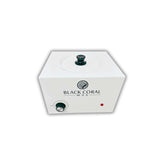
Your professional-grade warmer is the best thing you can have in the treatment room. A good warmer lets you control the temperature very precisely, which is important when using advanced wax formulas. This is different from basic models. This lets you melt the wax quickly and then keep it at the right temperature for work all day without having to make changes all the time.
Choosing and Using a Professional Wax Warmer
Look for features that will make your work easier when you choose a warmer. For professional use, digital temperature displays, settings that are easy to change, and a pot that is well-insulated are all must-haves. These features make sure that the wax is the right temperature, which is one of the most common problems people have with waxing.
-
Overheating: If wax gets too hot, the molecules in it can break down. The polymers that give it flexibility and grip can be damaged, making a high-quality product into a useless, brittle mess. More importantly, it becomes a big safety risk for your client.
-
Underheating: On the other hand, if the wax isn't warm enough, it will be thick and hard to spread. It pulls on the skin while you apply it and doesn't stick to hair well, which can cause it to break and make things frustrating for both you and your client.
Get to know the settings on your warmer. Follow the directions for your specific low melting point wax, but be ready to make changes based on how the wax looks and feels. The numbers on the dial are just a starting point.
How to Read the Wax
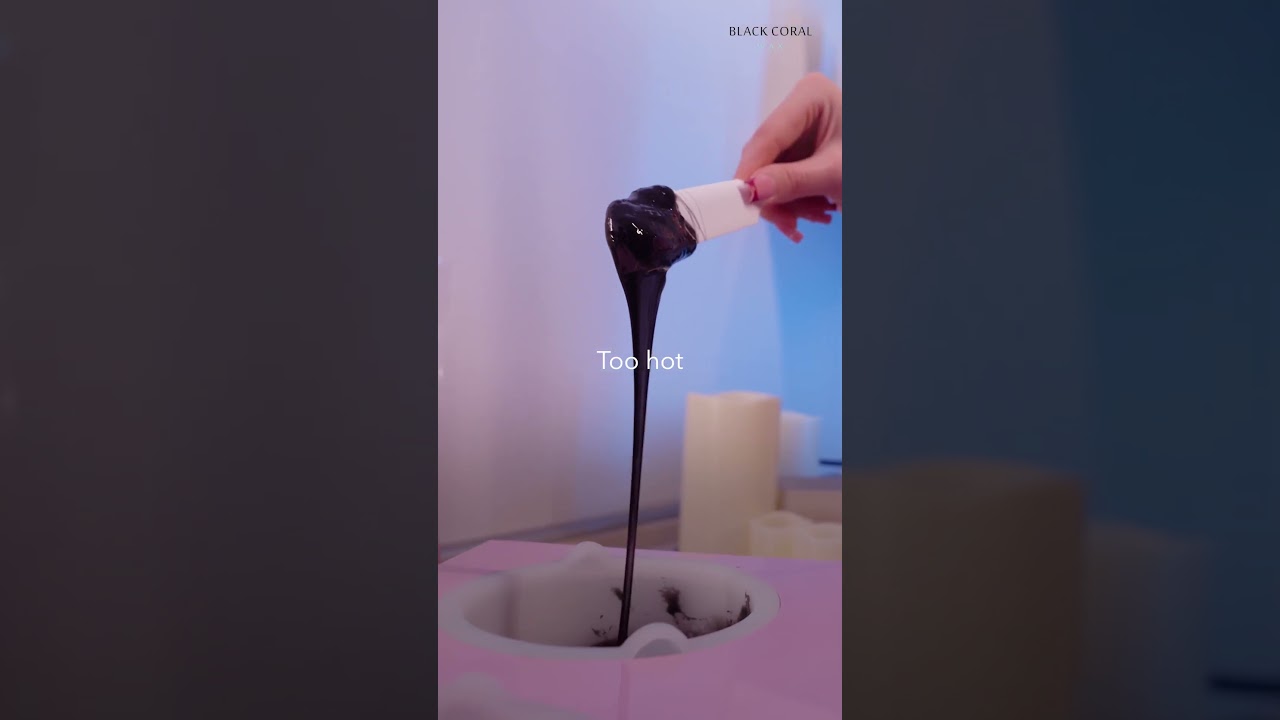
Getting the temperature just right is both an art and a science. Your warmer gives off heat, but your professional eye makes sure that the consistency is just right. You want a texture that feels like warm honey or molasses. It should drip smoothly and evenly from your applicator, not run off like water or clump up like cold peanut butter.
Never trust the temperature dial by itself. Always mix the wax and watch how it comes out of the applicator. This easy visual check is the best way to make sure your wax is ready to use.
You must do a safety test once you think the consistency is right. There is a good reason why the classic wrist test is an industry standard. Put a small patch of wax on the inside of your wrist to check the temperature before it touches your client. It should feel warm, but not hot. This easy step keeps your client safe and shows that you care about their safety.
A big trend in the professional beauty industry is to focus on temperature and efficiency. New low-melt formulas have been shown to cut the amount of energy used by warmers by up to 22%, which makes salons more efficient. Better temperature control also means better services. Some data shows that it can make services 30% faster and lower client pain scores by 15%. This is what the more than 10,000 estheticians who use professional-grade waxes every day have found. You can read in-depth reports on related wax industries to learn more about these trends.
Being able to use your tools well is an important skill for any esthetician. If you want to learn more about your most important tool, read our full guide on how to use a hard wax pot for perfect professional waxing. Every client leaves happy when you use the right tools and practice the right way.
Getting your low melt wax application technique just right
Once your wax is warm and has the right, honey-like consistency, it's time to start being creative. This is where your professional skills really show. When you work with a wax that has a low melting point, you need to be very careful. Knowing how to apply it correctly is what makes a good service great.
The goal is to apply the wax with confidence and control, making sure that every hair is perfectly covered so that it can be removed quickly and easily.
Not only does your application technique set the stage for a clean pull, but it's also very important to the client's experience. A smooth, even layer applied with steady pressure makes them feel more at ease and professional. This is especially true when you use a high-performance hard wax, which lets you put on a thin layer that won't break or become brittle.
This not only makes the service more comfortable, but it also means you don't have to use as much product. This helps your wax last longer and lowers your cost per service right away.
Making the Perfect Application Strip
A well-formed strip is the key to a perfect removal. You need to make the end of every strip, big or small, a little thicker. This "lip" is what you use to pull it off.
Making a clean lip gives you a good grip so you can pull quickly without fumbling or picking at the wax, which is uncomfortable for the client and looks unprofessional.
To make the perfect lip, do this:
-
Always follow the direction of hair growth when you apply your strip. Use firm, even pressure.
-
Use your spatula to gently roll or build up a thicker, rounded edge at the end of the strip.
-
Make sure this lip is easy to see and hold onto. It makes a strong point to start the removal.
A good lip can change the game. It makes sure that the removal is quick, clean, and done in one pull. This feature makes things a lot more comfortable and almost completely eliminates the chance of leaving behind hair or residue. It's a small step that makes a big difference in your career.
Changing Your Technique for Different Parts of the Body
There isn't a single best way to do professional waxing. You need to change how you do things because different parts of your body have different shapes and hair growth patterns. A good low-melting-point wax lets you handle all of them.
-
Facial waxing (brows, lips, chin): Use a smaller spatula for more accuracy. Put the wax on in small, controlled sections that follow the face's delicate curves. A low melt wax is great for this because it is flexible and won't crack on moving parts.
-
Underarms: The hair in your underarms often grows in different directions. To get the cleanest removal, you may need to use two or more smaller strips that match the different growth patterns.
-
For big areas like your legs, back, and chest, longer, wider strips will help you work faster. The most important thing is to keep the same amount of pressure on the wax the whole time so that it grips every hair, from fine to coarse.
Hard wax is good for sensitive areas, but a good esthetician knows how to use a variety of products. You can learn more about how to use soft wax on sensitive skin in our other expert guides to improve your skills.
Professional Advice: The best thing about a high-quality low melting point wax is how flexible it is. It lets you use thin layers to save product, but it's still strong enough to pull cleanly without cracking or breaking. That's what a modern, high-quality wax looks like.
When you learn these application skills, you can use your wax in a way that makes it work better and shows off your professional skills. That mix is what makes the results perfectly smooth and builds the trust that keeps customers coming back.
How to Pick the Best Low Melt Wax for Your Services
Not all low melt waxes are the same, so it's important to choose the right one to give great, personalized service. A professional esthetician needs a carefully chosen set of waxes, just like a painter uses different brushes to get different effects. It's not just about being ready; it's also about improving every treatment, making clients feel understood, and running your business well.
You wouldn't use the same tool for every job, would you? A wax made for thick, stubborn hair needs a different mix of ingredients than one made for fine, vellus hair on sensitive skin. You can buy with confidence and always get perfect results once you know these differences.
How to Match the Formula to Your Hair and Skin Type
The true sign of expertise is being able to change. One client might need a full leg wax on coarse, stubborn hair, while the next appointment is for a delicate brow shaping. Using the same wax for both situations won't give you the best results.
-
If you have coarse, resistant hair, you need a wax that will hold on tight and last a long time. Black Coral Wax's Pele blend is one of many formulations made for this purpose. They have polymers that wrap tightly around thick, deep-rooted hair, so you can pull them out without breaking them. This is what you should use for bikini lines, underarms, and thick leg hair.
-
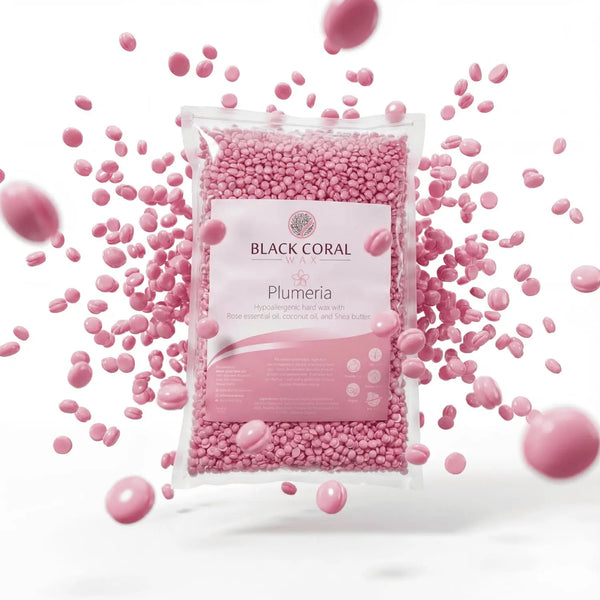
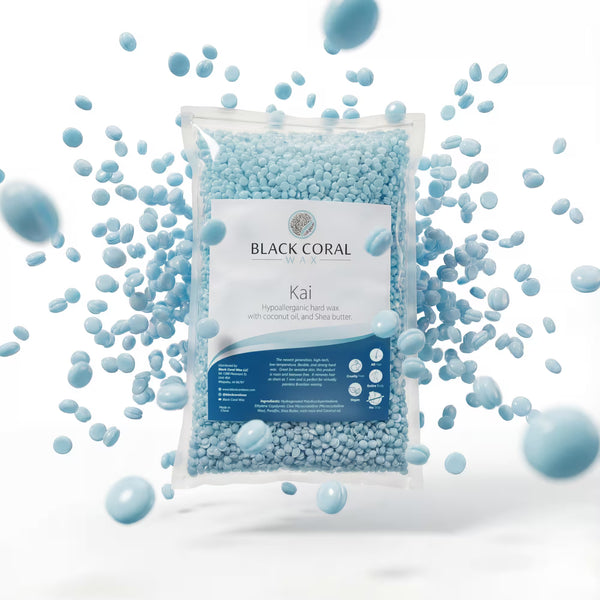
For Fine Hair and Sensitive Skin: Here, the focus is on a formula that is soft and flexible. This is a great job for a wax like our Plumeria or Kai blends. These waxes are creamier and spread out thin and smooth, wrapping fine hairs without pulling on sensitive skin. They are great for waxing the face, for people whose skin gets red easily, or for anyone whose skin reacts easily.
Being able to choose the right wax for any situation is a big deal. To get better at this skill, check out our guide on how to choose the right wax for perfect hair removal.
Learning how ingredients work
The formulation of a low melting point wax is what makes it work. Certain polymers make a wax more flexible, which lets it fit the shape of the body without breaking. To make it easier to hold on to, other ingredients are added. This makes sure that it can remove even the shortest, most stubborn hairs in one pass.
You can always find the right wax for your skin type, hair type, and body area by making a special toolkit of waxes. This careful approach shows that you know what you're doing and makes clients trust you more.
This idea of specialized formulas isn't new to our field. The market for high-end candles is a good example. That part shows how low-melting-point waxes (around 54–65°C or 130–150°F) are helping the industry grow. In fact, 70% of high-end candles now use a mix of soy and beeswax that melts at less than 60°C (140°F). This change is similar to what we see in professional waxing, where they are moving toward formulas that are more flexible and less painful for a better experience.
For estheticians, this means warmers that can handle more than 100 sessions a day without getting too hot, which could cut down on downtime by about 18%. It also lets you buy in bulk, like with our Pele beads, because we know our tools can handle it. You can learn more about the global candle wax market if you're interested.
Low Melt Wax FAQs: Answers to Your Questions
You will probably have questions as you learn more about low melt waxes. This is a great sign that you are paying close attention to the details. Here are some of the most common questions that estheticians and knowledgeable home users ask. We give you clear, professional answers to help you improve your skills.
Can I Use Low Melt Wax in Any Warmer?
Most professional warmers can handle low melt waxes, but for best results, you should get one with a thermostat that you can trust and change. It's important to have a good warmer to keep the wax at the right temperature range, which is usually between 48°C and 60°C (120°F and 140°F).
It's not a good idea to use a basic, non-adjustable warmer. These units can make the wax too hot, which makes the formula less effective and, more importantly, puts your client at risk of getting burned. A professional-grade warmer is a necessary purchase for safety, consistency, and quality.
Is it more expensive to use low melt wax?
At first, it might seem like a premium low melting point wax costs more up front than regular waxes. But the real cost shows up when you use it. You can spread these advanced formulas in very thin layers without them cracking or breaking because they are so flexible and useful.
This means that you use a lot less of the product for each client. A single bag of a high-performance formula like Black Coral Wax lasts a lot longer, which lowers your cost per service and raises your profits. This is a clear case where spending money on good things will save you money in the long run.
Does Low Melt Wax Work on Hair That Is Thick or Coarse?
Of course. This is where a high-quality low melting point wax really shines. Our Pele blend and other formulas made for this purpose have polymers that give them an amazing grip. The wax wraps around each thick, stubborn hair and pulls it out of the root.
The key is its combination of strength and flexibility. Brittle waxes tend to snap coarse hairs, leaving you to tweeze the stragglers. A pliable low melt wax pulls cleanly every time, resulting in less cleanup and a much more comfortable experience for your client, even on the most challenging hair types.
Professional Insight: The real power of a wax comes from its formulation, not just its melting temperature. A high-quality low melt wax is specifically designed to grip everything from the finest vellus hair to the most stubborn, deep-rooted hair.
How Do I Stop the Wax from Getting Stringy or Breaking?
If your wax's consistency isn't right, it’s almost always a temperature issue. This is easily corrected once you know what to look for.
-
If the wax is stringy: It is likely too cool. Increase the temperature on your warmer slightly and stir thoroughly. You are aiming for a smooth, honey-like consistency.
-
If the wax breaks on removal: It was likely applied too thin or left on the skin for too long, causing it to over-dry. Ensure you are applying a strip with enough body and a clean, defined "lip" at the edge to grip for removal.
Paying close attention to your warmer and practicing your application will resolve these issues. A smooth, consistent workflow is just a few small adjustments away.
Can I Reuse Low Melt Wax from My Warmer?
For hygienic reasons, you should never reuse wax that has been used on a client. Double-dipping—where an applicator touches a client's skin and is then re-dipped into the pot—is a serious cross-contamination risk. It's a non-negotiable industry standard for client safety.
To work efficiently, melt only the amount of wax you anticipate needing for the day. At the end of your appointments, turn the warmer off and allow any clean, unused wax to harden in the pot. You can safely remelt this wax for your next day of services. This practice maintains sanitary standards while minimizing product waste.
Ready to experience what a premium, professional-grade wax can do for your services? At Black Coral Wax, we have developed a complete line of low melting point hard waxes, pre- and post-wax care, and professional tools designed to help you deliver an exceptional client experience.
Explore our expertly crafted wax collections and discover the perfect formula for your clients at Black Coral Wax.