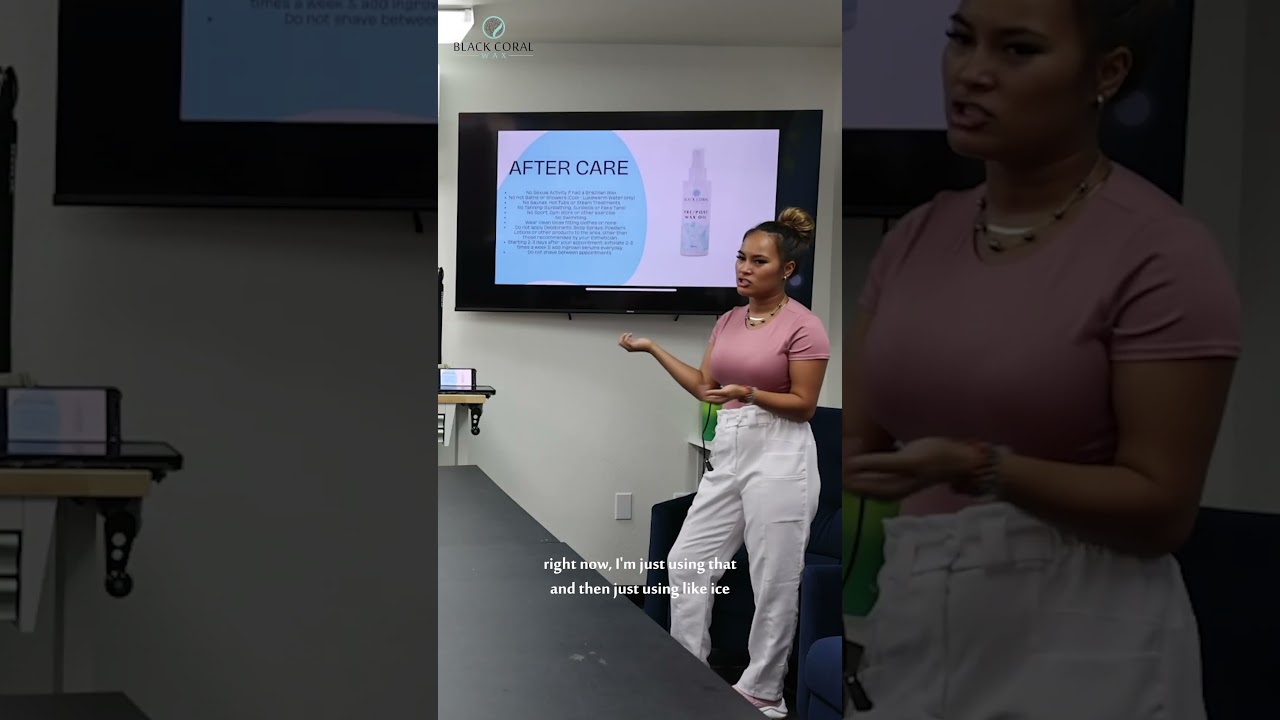
That is the angle of this guide. It treats waxing as technique, client management, and service efficiency at the same time.
Cleaner removals and calmer skin build trust. Trust builds rebooks. Rebooks build a stable treatment room. I have seen talented estheticians blame themselves for inconsistent results when the underlying issue was operational. The warmer drifted. The room setup slowed them down. The consultation missed one contraindication. The wax was fine, but the process around it was loose.
The sections below focus on the habits that protect skin, improve consistency, and make the day run better behind the treatment bed. Some are technical. Some are business decisions in disguise. All of them affect comfort, results, and whether a client books again.
1. Master Low Melting Point Wax Selection for Sensitive Areas
A client books a lunchtime Brazilian after a workout, her skin is warm, she is anxious, and you are already behind by ten minutes. That is when wax selection stops being a product preference and becomes a service decision. Sensitive areas have very little forgiveness, so low-melt hard wax earns its place by giving you more comfort margin without sacrificing control.
A low melting point formula lets you work at a skin-friendlier temperature while still wrapping the hair well enough for a clean pull. That matters on bikini areas, underarms, brows, and upper lip, where excess heat, poor flexibility, or drag shows up fast as redness, stickiness, or unnecessary repeat work. In a busy treatment room, the right wax also protects timing. Cleaner first pulls mean less cleanup, fewer corrective passes, and a calmer client.
Read the wax by feel, not just by dial
Warmer numbers are only a starting point. The wax tells you more than the dial does. For delicate areas, hard wax should spread with light resistance, hold its edge, and set pliable enough to remove in one piece. If it runs, it is too hot. If it drags, skips, or snaps on removal, it usually needs adjustment before you keep working.
I check three things before the first application: surface gloss, pull on the spatula, and how the bead settles on the stick. That habit catches problems early, especially in rooms where ambient temperature shifts through the day. If you want a clearer reference for how these formulas are designed to behave, keep this professional guide to low melting point wax in your back pocket.
Practical rule: Test the wax before every client, then re-check any time the room temperature, lid time, or service pace changes.
Use low-melt wax where the trade-off makes sense
Low-melt hard wax shines on intimate waxing because you can keep heat lower while still getting flexibility around curved, mobile tissue. On brows and upper lip, it gives better comfort and more predictable placement in small zones where precision matters. Underarms are another strong use case, especially when the client runs warm or tends to redden quickly.
The trade-off is that lower-melt formulas still need discipline. If you overheat them, they lose the very control you chose them for. If you let them sit too long in the pot between services, the consistency can loosen enough to affect spread and set time. Good waxers treat low-melt wax as part of a system that includes warmer management, pacing, and area-specific technique.
A few habits keep that system tight:
-
Test on your wrist first: Check comfort and spread before the first client contact.
-
Match the formula to the zone: Flexible hard wax usually performs better on sensitive areas than forcing one strip-wax routine everywhere.
-
Reset after reheating: Midday top-ups can change consistency more than newer estheticians expect.
-
Prep the tissue with intent: A brief gloved press can settle tense, cool skin before application.
Clients feel the difference immediately. So does your schedule.
Low-melt wax will not rescue rushed timing, poor section size, or weak tension. It will, however, give you a better working window on reactive skin and help you build a service that is safer, more comfortable, and easier to repeat consistently at scale. That is the standard in a profitable waxing room.
2. Perfect the Application Technique for Optimal Hair Grip
Most failed wax pulls start with application, not removal. If the wax goes on too thick, too thin, too cool, or in the wrong pattern for the growth, you’ve already made the service harder than it needs to be.
Hair grip comes from controlled placement. You need enough pressure to surround the hair, not so much pressure that you flatten product onto skin and lose your edge. That balance is what keeps you from chasing missed hairs with repeat passes.
Follow growth patterns like they actually matter
Legs are rarely uniform. Chests and backs almost never are. Bikini hair can change direction three times inside one small zone. If you apply as if every area grows neatly downward, your cleanup work multiplies.
On a full leg, look at the calf separately from the knee and thigh. On a chest wax, split the area mentally into sections and map swirls before you lay product. On a Brazilian, adjust your angle constantly instead of repeating the same stroke because it worked on the last client.
Good waxers don’t memorize one pattern. They read the body in front of them.
Build a cleaner strip
For hard wax, create an application that’s even through the center with a clear lip for removal. For soft wax, keep the layer thin and deliberate so the strip can do its job without dragging excess product. Either way, the spatula should place wax with purpose, not smear it around until it looks right.
These details usually improve grip right away:
-
Use consistent pressure: Press enough to encase the hair shaft, especially on coarse regrowth.
-
Keep the edge clean: A neat lip makes removal faster and prevents fumbling.
-
Work in manageable sections: Smaller sections often outperform large heroic strips on tricky growth.
-
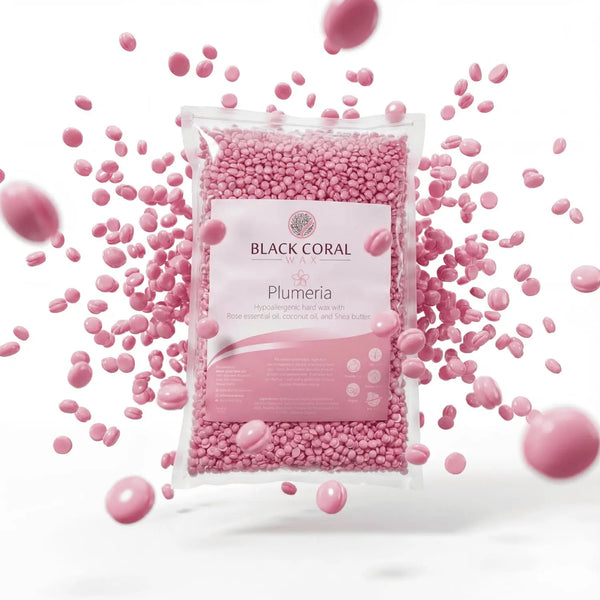
Match the formula to the hair: Coarse Brazilian or underarm hair often responds better to a firmer hard wax such as Plumeria or Pele than a softer facial-style formula.
A common mistake is trying to solve poor grip by overheating the wax. That usually backfires. Overly fluid wax can slide over resistant hair instead of wrapping it well, especially when the skin is warm or the client has used lotion before the appointment.
Document what you notice. If a client consistently has stubborn flat-lying hair at the outer bikini line or a dense underarm patch that needs a different angle, note it. The best second appointment often comes from what you remembered from the first.
3. Implement Proper Pre-Wax Skin Preparation Protocols
A client books a bikini wax after the gym, reapplies deodorant, forgets to mention the retinoid she started last week, and expects a clean result in one pass. Prep is where that appointment gets saved or goes sideways.
Skin preparation is not busywork. It is quality control for grip, skin response, timing, and rework. Clean skin lets the wax bond to hair instead of lotion, sweat, sunscreen, or makeup. Good consultation catches the contraindications that cause lifting, excessive redness, or unnecessary trauma.
Cleanse first, then decide how far to go
Start with a gentle cleanser that removes residue without stripping the barrier. Skin should feel clean, dry, and calm. If it feels tight, hot, or overworked before the wax even touches it, prep already went too far.
Use the skin in front of you to set the protocol. A reactive bikini client needs a lighter hand than a healthy lower leg. Facial waxing on acne-prone skin calls for less friction and tighter product control. On thin, recently exfoliated, sun-exposed, or visibly compromised skin, postponing part of the service is often the most professional choice.
I keep prep systems simple because speed matters, but so does consistency. A cleaner, a clear visual assessment, and a measured amount of protective product will outperform a tray full of overlapping steps. Black Coral Wax’s pre-wax cleanser guide is a useful reference if you want a tighter treatment-room workflow.
Ask questions that change your plan
Clients rarely connect last week’s peel or last night’s retinol with today’s wax. Ask directly. Ask the same way every time. That protects the client and keeps your service quality consistent across a full book.
Cover these points during intake and your chairside check:
-
Recent resurfacing services: Chemical peels, microdermabrasion, dermaplaning, and strong exfoliation can change how skin tolerates waxing.
-
Topical actives: Retinoids, acne medications, benzoyl peroxide, and acids often increase sensitivity.
-
Current skin status: Sunburn, irritation, open lesions, inflamed breakouts, and fresh shaving should change or delay the service.
-
Day-of product use: Lotion, body oil, deodorant, sunscreen, and heavy makeup interfere with adhesion.
-
Medical context when relevant: New medications, barrier impairment, or healing skin can shift you from proceed to modify or postpone.
This matters for business as much as technique. Clients stack services. They may get a facial, peel, workout, spray tan, or beach day before they walk into your wax room, then wonder why the skin is reacting differently. A tight consultation keeps you from troubleshooting preventable problems on the table.
If you use pre-wax oil, use very little. The goal is skin protection where needed, not a slippery surface. A whisper-thin layer can help on dry, reactive, or mature skin. Too much oil cuts into hair pickup and turns a clean service into extra passes.
Over-prepping causes its own problems. Aggressive scrubs right before waxing, heavily fragranced cleansers, or multiple prep layers usually increase irritation and slow you down. The best protocol is the one that gives you a clean canvas, clear information, and predictable results.
4. Execute Proper Strip Technique and Removal Timing
A clean pull saves the service. You can apply wax well, prep skin well, and still create unnecessary pain if the removal is late, high, or hesitant.
This is the part newer waxers rush or second-guess. Experienced hands do the opposite. They read the set, secure the skin, and remove with one committed motion close to the surface. That control protects the barrier, improves hair release, and keeps the appointment on schedule.
Read the wax before you pull
Hard wax has a narrow working window. Pull too soon and it stretches instead of breaking away from the hair. Wait too long and it gets brittle, snaps at the edge, or grips in patches. I check the surface first, then the edge. It should look set, feel dry on top, and still have enough flexibility to lift as one piece.
Low-melt formulas help here because they stay more workable on sensitive areas without forcing you to use excess heat. That gives you a little more control over timing, especially on Brazilians, underarms, and facial zones where skin response changes fast.
Soft wax works differently. Once the strip is pressed on firmly, remove it promptly with a low, fast motion parallel to the skin. Letting soft wax sit too long usually adds drag and makes the strip less clean.
Keep the hand low and pull parallel to the skin. Upward removal increases discomfort and raises the risk of skin trauma.
Use your second hand like it matters
Skin tension changes everything. Without it, the wax has to fight moving tissue before it can release the hair. Clients feel more tugging, and you lose precision on the pull.
That shows up fast on underarms, inner thighs, stomach, knees, and mature skin. Hold the skin taut in the direction that gives you the flattest surface, then remove the wax against hair growth with speed and commitment. Apply pressure immediately after the pull if the area is reactive. That simple sequence lowers sting and keeps the service feeling controlled.
A few area-specific adjustments make removal more reliable:
-
Brazilian waxing: Work in small sections. Build a clear lip, support the skin aggressively, and avoid oversized pulls that invite breakage or repeat passes.
-
Leg waxing: Keep strip size consistent and your pattern organized. Good pacing prevents sticky overlap and wasted product.
-
Facial waxing: Use smaller applications and exact placement. Timing has less margin for error because the skin is thinner and movement is less forgiving.
Hesitation is easy to spot. Clients feel it right away, and it often causes the slow, dragging removal that hurts more than a decisive pull. Once the wax is ready and the skin is secure, remove it cleanly.
Good removal technique also sets up better recovery afterward. Less drag, less bounce, and fewer repeat passes usually mean calmer skin and simpler post-service support. If you want your retail and home-care recommendations to match that standard, keep a tight after-waxing care product routine ready for each body area.
5. Develop Comprehensive Post-Wax Care and Aftercare Protocols
Clients often judge the service by how their skin feels twenty minutes later and how it behaves over the next few days. You can do a technically strong wax and still lose trust if aftercare is vague, rushed, or inconsistent.
Post-wax care starts in the room. Remove residue fully. Calm the skin. Check for any areas that need pressure, product, or a final visual review. Then explain what the client should avoid and what they should do once the initial sensitivity settles.
Calm the skin before the client stands up
Residual wax left on the skin keeps irritation going. Use an appropriate oil or remover so the area feels clean, not tacky. After that, choose a calming product that suits the body area and the client’s sensitivity level.
For bikini clients, I keep instructions direct. Avoid heat, friction, and anything occlusive immediately after the service. For facial waxing, I stress simplicity. No aggressive actives, no picking, no “fixing” the area with multiple products at home.
A dedicated aftercare routine matters because clients don’t always connect their post-service choices with bumps, ingrowns, or lingering redness. If you retail care products, tie them directly to the service benefit instead of making a generic product pitch. Black Coral Wax’s after-waxing care products guide is a useful reference point for structuring that conversation around practical home care.
Give instructions clients will actually follow
Verbal advice disappears fast after an appointment. Written guidance helps, especially for first-time clients or anyone getting a service with a higher chance of friction-related irritation.
Keep the message simple:
-
Avoid heat exposure: Hot baths, steam, and intense workouts right after waxing can aggravate freshly waxed skin.
-
Reduce friction: Tight clothing over bikini or underarm areas can increase irritation.
-
Delay exfoliation briefly: Let the skin settle before restarting exfoliation.
-
Use a targeted home product: For clients prone to ingrowns, a product like ili Oil can fit naturally into the routine if they’ll use it consistently.
What doesn’t work is handing every client the same script with no context. A brow wax and a Brazilian don’t need the same aftercare emphasis. Neither does a client with resilient skin versus one who gets red from almost anything. Good aftercare sounds personalized because it is.
6. Select Appropriate Wax Types for Different Body Areas and Hair Types
A fast full-body appointment can fall apart on wax choice alone. The brow area needs precision, the underarms need grip, the legs need speed, and a reactive bikini client will notice every formula mistake immediately. Estheticians who treat wax as one interchangeable product usually create more passes, more cleanup, and more discomfort than the service requires.
Strong wax selection starts with four variables. Body area, hair texture, skin reactivity, and service pacing. If one of those is off, the formula can still remove hair, but the service gets harder to control and less comfortable to repeat.
Hard wax and soft wax serve different technical purposes
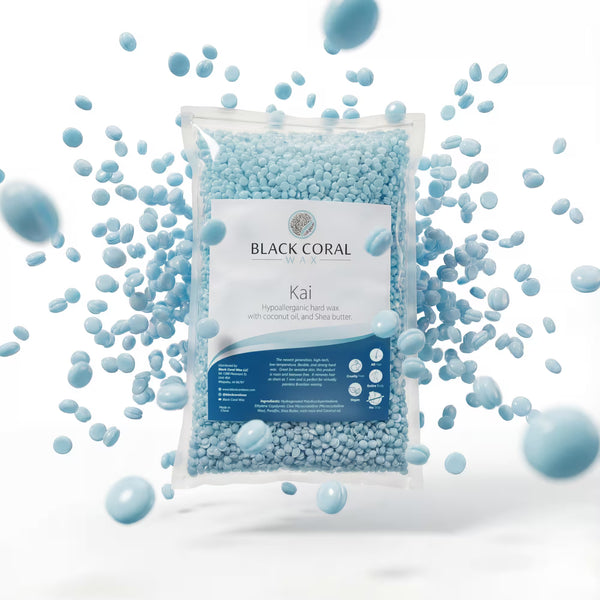
Hard wax is usually the better fit where skin is thinner, movement is higher, or hair is firmly rooted. That includes brows, lip, underarms, and bikini work. Low-melt hard waxes are especially useful in these zones because they stay flexible at a gentler working consistency, which helps limit drag on sensitive skin while still giving enough grip to remove coarse hair cleanly. That is one reason many estheticians keep formulas like Black Coral Wax Kai or Mae Mae in rotation for smaller, high-sensitivity services.
Some clients need more tack and structure. Coarse regrowth, missed shave cycles, and strong follicle attachment often respond better to a firmer hard wax such as Plumeria, especially when speed matters but you still need control.
Soft wax earns its place on large areas. Legs, arms, chest, and back usually move faster with soft wax because coverage is broader and removal stays efficient over consistent hair patterns. The trade-off is that soft wax asks for cleaner sectioning and better skin support. On the right client, it saves time. On the wrong client, especially one with reactive skin or very dense regrowth, it can create unnecessary irritation.
Match the formula to the service, not just the room setup
A well-built menu rarely depends on one wax pot. Mixed services usually perform better with a planned switch in formula instead of forcing one wax through the whole appointment because it is already warm.
A few common examples:
-
Brazilian with extension onto thighs: Hard wax for the intimate area. Soft wax can work on the outer thigh or larger surrounding zone if the skin is calm and the hair pattern is finer.
-
Brow and lip appointment: Hard wax gives better control around shape lines and is easier to manage on facial skin that flushes quickly.
-
Full back or chest: Soft wax often improves service speed, but patchy zones of dense coarse hair may still need hard wax for a cleaner first pull.
This choice affects more than hair removal. It affects timing, waste, client comfort, and rebooking confidence. Estheticians who choose wax by use case instead of habit usually run a smoother room and get more consistent results across very different body areas.
Temperature still changes how each formula performs. If a hard wax gets too fluid or a soft wax thickens through the day, your body-area matching starts to break down. Review these top waxing temperature mistakes and how to avoid them if your wax behaves differently from one client to the next.
What works in practice is a small, intentional formula lineup. Keep a gentle low-melt hard wax, a stronger-grip hard wax, and a reliable soft wax for large zones. That gives you enough range to handle sensitive skin, stubborn regrowth, and high-efficiency body services without overcomplicating inventory.
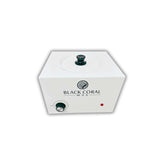
7. Invest in Professional Equipment and Maintain Proper Warmer Settings
The room is fully booked, your first Brazilian went clean, and by mid-afternoon the same wax is stringy, slower to set, and harder to control. That usually is not a technique problem. It is an equipment and temperature management problem.
A professional warmer has one job. Hold the formula in a stable working range so the wax behaves the same at 9 a.m. and 4 p.m. If the heat spikes, hard wax gets too fluid and loses the body you need for controlled placement. If the pot runs cool, soft wax drags and hard wax can grab skin instead of hair. Either way, client comfort drops and service time stretches.
Your warmer is part of your service system, not just a container on the cart. Estheticians who work with more than one formula need enough control to keep each wax at the texture it was designed to have. That often means separate warmers for hard and soft wax, or at minimum a workflow that accounts for different melt points and recovery times. Low-melt formulas such as Black Coral Wax hard waxes give you more margin for sensitive areas, but they still need consistent heat to perform the way the chemist intended.
I check the wax, not just the dial. Dials drift. Room temperature changes. Refilled wax cools the pot, and an uncovered warmer loses heat faster than many newer estheticians expect. The safest habit is to stir, test the viscosity on an applicator, and confirm the texture before the client feels it.
A few equipment habits keep the day predictable:
-
Preheat early: Give the wax time to melt fully and stabilize before the first appointment.
-
Stir on purpose: Heat is rarely uniform from top to bottom, especially in a busy room.
-
Watch recovery time: After repeated use or refills, check how quickly the warmer returns to a workable texture.
-
Keep rims and collars clean: Build-up affects hygiene, wastes product, and makes temperature checks messier than they need to be.
-
Match tools to service volume: Back-to-back body waxing needs stronger heat retention and easier sanitation than occasional facial waxing.
If your setup feels inconsistent from one client to the next, tighten the process before blaming the formula. This guide to esthetician client consultation forms helps on the intake side, and your equipment standards should be just as deliberate on the operational side.
Consumer-grade warmers can get by for occasional personal use. In a treatment room, they often recover too slowly, fluctuate too much, and create small performance changes that add up over a full day. Better equipment protects more than the wax. It protects timing, cleanliness, client trust, and your rebooking rate.
8. Build Client Education and Consultation Best Practices
A new client sits down for a Brazilian and says, "I wax all the time. My skin is fine." Two questions later, you learn they started a retinoid, had a peel last week, and are leaving for a beach trip tomorrow. That consultation just prevented a bad result, a painful service, and a client trust problem.
Good intake does more than screen for contraindications. It helps you choose the right formula, adjust your timing, set realistic expectations, and keep the day running on schedule. In a busy treatment room, consultation is part of service efficiency, not paperwork.
Ask questions that change the service plan
Forms catch the basics. The spoken consult catches the details that affect the wax.
Ask about medications, active skin care, recent exfoliation, sun exposure, previous reactions, and where ingrowns or lifting usually show up. Then get specific about the last service. How long ago was it? Did the hair break or release cleanly? Was the skin red for an hour, or for two days? Those answers tell you whether to adjust product choice, temperature, section size, or aftercare.
This matters even more with sensitive zones. A low-melt hard wax can reduce heat stress, but only if the client is a fit for waxing that day and your expectations are clear. Product science and consultation have to work together.
For maintenance planning, keep the conversation simple and honest. Explain that regular appointments usually give cleaner results than sporadic visits because growth cycles become easier to manage. Rebooking works better when it sounds like professional planning, not a script.
Education should reduce problems before they happen
Clients do better when they know what normal looks like. Tell them what they may feel right after the service, what would count as an unusual reaction, and how to care for the area over the next 24 to 48 hours. Clear guidance cuts down on post-service panic texts and prevents clients from undoing good work with friction, heat, workouts, or aggressive products too soon.
Written instructions help because clients forget details once they get off the bed. So does consistent documentation. If you switched formulas, used a lighter first pass, avoided a compromised area, or changed aftercare because of sensitivity, note it. The next appointment gets easier and safer.
A strong intake process also protects consistency across your business. If you need a cleaner system, use a standardized guide to esthetician client consultation forms so every client gets the same level of screening and education.
A few habits raise the quality of consultation fast:
-
Confirm changes every visit: Medications, skin care, travel, and sun exposure change more often than clients think.
-
Explain the why: Clients follow aftercare better when they understand the reason behind each instruction.
-
Document pattern problems: Note recurring ingrowns, fragile areas, and formulas that performed well or poorly.
-
Follow up selectively: First Brazilians, corrective waxes, and highly reactive skin merit a quick check-in.
-
Teach maintenance, not perfection: Clients need a realistic plan for timing, regrowth, and home care.
Clients remember whether you caught what others missed. That is part of technical skill.
8-Point Esthetician Waxing Tips Comparison
|
Strategy
|
Implementation Complexity
|
Resource Requirements
|
Expected Outcomes
|
Ideal Use Cases
|
Key Advantages
|
|
Master Low Melting Point Wax Selection for Sensitive Areas
|
Moderate, requires warmer calibration and temperature testing
|
Specialized low‑melt waxes + precise warmers; inventory management
|
Reduced irritation and burns; consistent grip and faster set times
|
Bikini line, face, underarms, reactive skin
|
Lower client discomfort; safer thermal profile; consistent results
|
|
Perfect the Application Technique for Optimal Hair Grip
|
High, extensive practice to master directional application and thickness
|
Skilled training, practice time, spatulas, quality hard wax
|
Higher first‑pass removal rate; fewer repeat passes; less irritation
|
Coarse hair areas, Brazilian, contour‑sensitive zones
|
Maximizes hair removal efficiency; improves client comfort
|
|
Implement Proper Pre-Wax Skin Preparation Protocols
|
Low–Moderate, adds steps but straightforward to standardize
|
Cleansers, gentle exfoliants, pre‑wax oils, patch testing tools
|
Fewer ingrowns and infections; better wax adhesion; safer services
|
Sensitive, acne‑prone, or compromised skin clients
|
Reduces complications; improves overall outcome and safety
|
|
Execute Proper Strip Technique and Removal Timing
|
High, timing and removal motion require practiced muscle memory
|
Training, quality strips/muslin, fast‑setting wax formulations
|
Minimized skin trauma; higher single‑pass success; faster throughput
|
Large areas, Brazilians, facial precision work
|
Reduces broken hairs and irritation; increases efficiency
|
|
Develop Comprehensive Post-Wax Care and Aftercare Protocols
|
Moderate, protocol creation and client education needed
|
Soothing/anti‑inflammatory products, residue removers, printed guidance
|
Faster recovery; fewer ingrowns; improved client retention
|
All waxing clients, especially reactive or ingrown‑prone
|
Enhances healing, satisfaction, and long‑term results
|
|
Select Appropriate Wax Types for Different Body Areas and Hair Types
|
Moderate, requires product knowledge and inventory control
|
Multiple wax formulas (hard/soft), testing supplies, storage
|
Optimized results per area; reduced discomfort; improved efficiency
|
Full‑body services and mixed hair density cases
|
Tailored performance for each area; professional versatility
|
|
Invest in Professional Equipment and Maintain Proper Warmer Settings
|
Moderate, upfront setup and ongoing maintenance
|
Digital warmers, thermometers, maintenance supplies; capital expense
|
Consistent temperatures; stable viscosity; reduced burn risk
|
High‑volume salons; safety‑focused practices
|
Ensures repeatable results, safety, and operational reliability
|
|
Build Client Education and Consultation Best Practices
|
Moderate, time and documentation required
|
Intake forms, educational materials, staff training, follow‑up systems
|
Better expectations, fewer complaints, higher compliance and retention
|
New clients, complex cases, retention‑focused businesses
|
Builds trust, reduces liability, increases referrals
|
Your Partner in Professional Waxing Excellence
A packed afternoon schedule will expose every weak point in a waxing system. By the third client, wax that runs a little too hot, consults that feel rushed, or aftercare advice that sounds vague will start showing up as extra cleanup, more redness, and slower room turnover. Strong waxing services hold up under that pressure because the technique, products, client communication, and room setup are working together.
That is the standard behind the best waxing tips for estheticians. Good results come from consistent decisions made all service long. The wax has to match the area. The warmer has to hold a stable working texture. The intake process has to catch contraindications before they become skin lifting, excess sensitivity, or an avoidable complaint. Client comfort depends on all of it.
The bigger business value comes from repeatability. Clients rebook when the service feels controlled from start to finish, not just when the pull is clean. They notice whether sensitive areas are handled with the right low-melt formula, whether timing stays on track, and whether post-care instructions help them avoid ingrowns and irritation. Those details protect retention and make the schedule easier to manage.
For newer estheticians, the fastest improvement usually comes from tightening the basics until they are automatic. Learn how each formula behaves at different room temperatures. Watch how hair density changes your section size and set time. Get stricter with consultation notes and skin prep. A clean, repeatable method builds speed without sacrificing skin safety.
Experienced waxers usually improve by finding the friction points that still cost time or comfort. Brazilians that need too much cleanup often come back to section size, placement, or wax texture. Facial waxing that drags can point to product temperature or too much overlap. Consultation language can also be the problem. If clients leave without understanding heat avoidance, exfoliation timing, or what normal post-wax redness looks like, the technical service was only half finished.
Team settings make this even more obvious. A salon gets better results when every esthetician follows the same baseline for prep, hygiene, contraindication screening, wax handling, and aftercare language. Standardization does not flatten skill. It gives the team a dependable operating system, which makes training easier and service quality more consistent across providers.
Product line decisions affect that system more than many owners expect. Using one professional range for hard wax, soft wax, warmers, and pre and post service products can reduce guesswork in training and cut down on performance swings between rooms. Black Coral Wax fits that model, especially for studios that want low-melt hard wax formulas and a full treatment-room setup built to support sensitive-area work.
Strong waxing is part technical skill, part product science, and part client management. When those pieces are aligned, services run cleaner, clients feel safer, and the business gets more predictable rebooking.
If you’re refining your waxing setup, exploring Black Coral Wax can help you compare professional hard wax, soft wax, warmers, and aftercare products built for consistent treatment-room use.